Small dogs may be tiny in stature, but their dietary needs require just as much attention as their larger counterparts. Understanding proper treat portions is essential for maintaining your petite companion’s health, energy levels, and overall happiness.

Many well-intentioned pet parents unknowingly overfeed their small dogs with treats, not realizing that even a single treat can represent a significant percentage of their daily caloric intake. This comprehensive guide will help you master treat size awareness, ensuring your small dog enjoys tasty rewards without compromising their health.
🐾 Why Treat Size Matters More for Small Dogs
The mathematics of canine nutrition becomes critically important when dealing with small breeds. A dog weighing 5 pounds has dramatically different caloric needs compared to a 50-pound dog, yet many commercial treats are sized without consideration for these differences.
Consider this: a single medium-sized dog biscuit might contain 30-40 calories. For a Chihuahua weighing 4 pounds and requiring only 150-200 calories daily, that one treat represents 15-25% of their entire daily caloric allowance. This would be equivalent to a human consuming an entire meal in one bite.
Overfeeding treats leads to weight gain, which in small dogs can quickly progress to obesity. Even one or two extra pounds on a tiny frame significantly impacts joint health, organ function, and life expectancy. Small breeds are particularly susceptible to diabetes, dental disease, and heart problems when overweight.
Understanding Your Small Dog’s Caloric Needs
Before determining appropriate treat portions, you must understand your dog’s baseline caloric requirements. Small dogs typically need between 40-50 calories per pound of body weight daily, though this varies based on age, activity level, and metabolism.
Veterinary nutritionists recommend that treats should comprise no more than 10% of your dog’s total daily caloric intake. This leaves 90% for nutritionally complete meals that provide essential vitamins, minerals, proteins, and other nutrients necessary for optimal health.
Calculating Your Dog’s Treat Budget
Let’s break down the math for common small dog weights:
| Dog Weight | Daily Calories | Treat Allowance (10%) |
|---|---|---|
| 3 lbs | 120-150 | 12-15 calories |
| 5 lbs | 200-250 | 20-25 calories |
| 10 lbs | 400-500 | 40-50 calories |
| 15 lbs | 600-750 | 60-75 calories |
| 20 lbs | 800-1000 | 80-100 calories |
These calculations assume an adult dog at ideal weight with moderate activity levels. Puppies, highly active dogs, and pregnant or nursing females require adjusted calculations.
Choosing the Right Treats for Tiny Mouths
Not all treats are created equal, especially when shopping for small breed dogs. The pet treat market has evolved significantly, with many manufacturers now offering specifically sized options for petite pups.
When selecting treats, examine both size and caloric density. Some treats pack significant calories into small packages, while others offer volume with minimal caloric impact. Reading labels becomes your most valuable skill in treat selection.
Low-Calorie Training Treat Options
For training sessions requiring frequent rewards, ultra-low-calorie options prevent exceeding daily limits:
- Freeze-dried liver pieces: Break into tiny fragments; approximately 2-3 calories per pea-sized piece
- Air-puffed treats: Light and crunchy with minimal calories, typically 1-2 calories each
- Single-ingredient dehydrated proteins: Easy to portion precisely, around 3-5 calories per small piece
- Fresh vegetables: Carrot coins, green beans, cucumber slices offer crunch with negligible calories
- Plain cooked chicken breast: Dice into tiny cubes; approximately 5 calories per cubic centimeter
🍖 Proper Portioning Techniques
Even with appropriately sized treats, portioning requires mindfulness and consistency. Establishing good habits prevents accidental overfeeding and helps other household members understand proper quantities.
Invest in a small kitchen scale accurate to one gram. Weighing treats seems excessive initially, but this practice provides invaluable education about true portion sizes. After several weeks of weighing, you’ll develop visual recognition of appropriate amounts.
The Break-It-Down Strategy
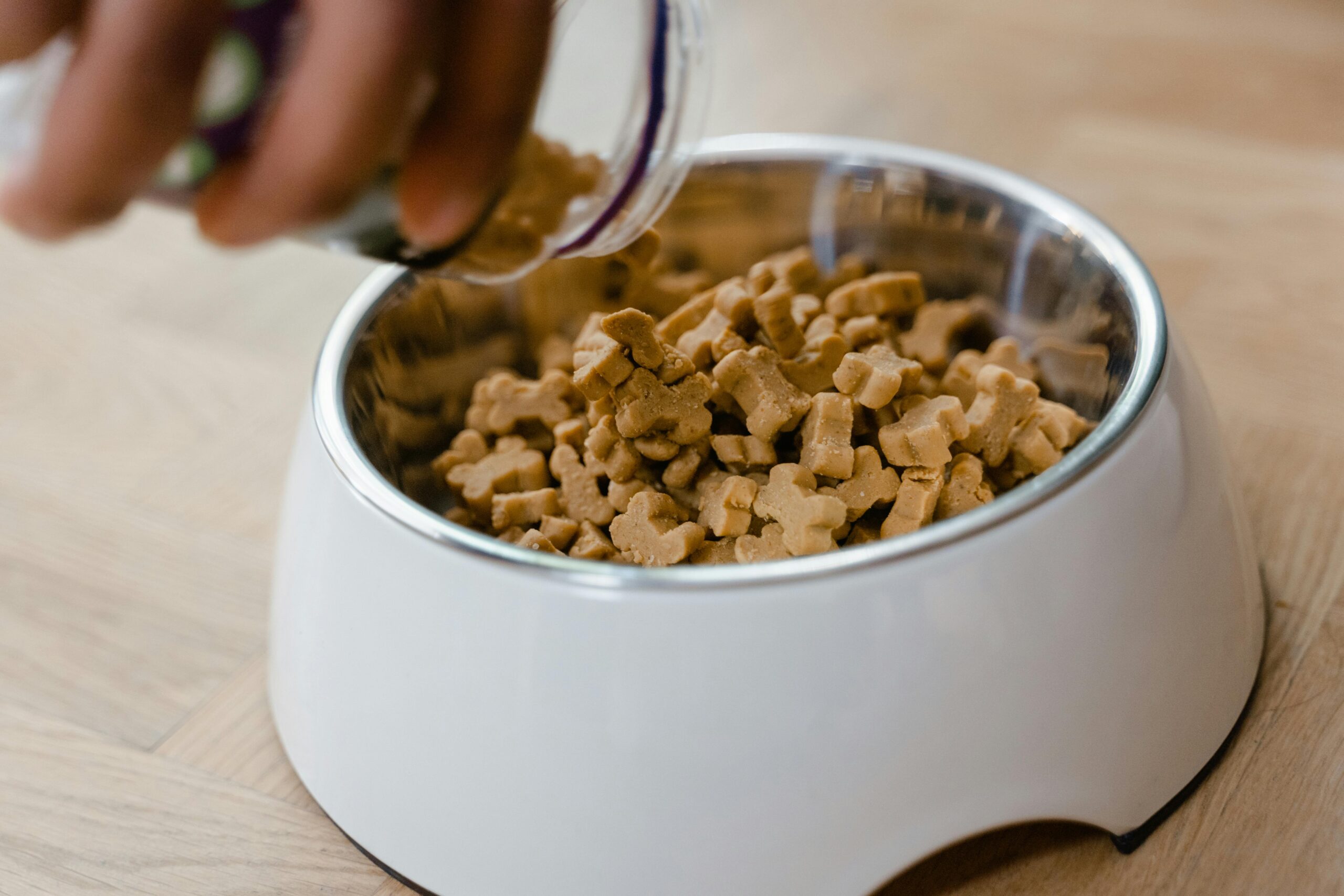
Many commercial treats designed for all dog sizes can still work for small breeds when properly divided. A standard dog biscuit intended for medium breeds might break into 8-10 appropriate portions for a toy breed.
Purchase a pill cutter from your pharmacy—these inexpensive tools create clean breaks in firm treats. For softer treats, kitchen scissors work perfectly. Pre-portion treats during meal prep time, storing daily allotments in small containers to prevent mindless overfeeding throughout the day.
Training Without Treat Overload
Training small dogs often requires numerous repetitions, potentially leading to excessive treat consumption. Professional trainers recommend several strategies to maximize training effectiveness while minimizing caloric intake.
Use a variable reward schedule once your dog understands a behavior. Instead of treating every successful attempt, reward intermittently, perhaps every third or fourth success. This actually strengthens learned behaviors while reducing treat quantity.
Alternative Rewards Beyond Food 🎾
Diversifying your reward system keeps training engaging while protecting your dog’s waistline:
- Verbal praise with enthusiastic tone: Many small dogs respond strongly to vocal excitement
- Brief play sessions: Five seconds with a favorite toy can be highly motivating
- Physical affection: Gentle petting or ear scratches satisfy social dogs
- Access to desired activities: Opening the door for outside time or releasing to greet visitors
- Interactive games: A quick round of hide-and-seek or fetch
Rotate between food rewards and alternative reinforcements, creating unpredictability that maintains motivation without caloric consequences.
Managing Multi-Person Households
One common challenge in treat management involves multiple family members unknowingly offering treats throughout the day. Children, visiting relatives, and even pet sitters may not understand portion importance.
Create a visual system everyone can follow. Some owners use a clear jar containing the day’s treat allotment; when the jar empties, no more treats until tomorrow. This tangible system prevents miscommunication and helps children understand limits.
Communication Strategies for Consistent Feeding
Establish household rules regarding treat distribution. Designate one person as the primary treat manager, or implement a tracking system where each person marks when they’ve given treats. Simple as it sounds, this prevents the common scenario where a small dog receives five different “just one small treat” offerings that collectively exceed appropriate limits.
Print simple guidelines posted near treat storage areas. Include your dog’s weight, daily treat allowance, and visual representations of appropriate portion sizes. Photographs showing correct amounts help family members and visitors understand expectations.
📊 Recognizing Healthy Weight in Small Breeds
Monitoring your small dog’s body condition ensures your portioning strategy works effectively. Small breed weight gain can happen surprisingly quickly—a half-pound increase on a 5-pound dog represents a 10% weight gain, equivalent to a 150-pound person gaining 15 pounds.
Perform regular body condition assessments using the standardized nine-point scale veterinarians employ. At ideal weight, you should easily feel your dog’s ribs without pressing hard, but they shouldn’t be visibly prominent. Looking from above, your dog should have a visible waist behind the ribcage.
Weekly Weight Monitoring
Weigh your small dog weekly using a precise scale. Baby scales work excellently for tiny breeds, offering accuracy within ounces. Record weights in a simple log, watching for trends rather than day-to-day fluctuations.
If your dog gains more than 5% of body weight, reassess treat portions immediately. Conversely, unexpected weight loss warrants veterinary consultation, as small dogs have minimal reserves and health issues manifest quickly.
Special Considerations for Different Life Stages
Treat portioning requirements change throughout your small dog’s life. Puppies in rapid growth phases require different considerations than seniors with slowing metabolisms.
Small breed puppies reach maturity faster than large breeds, typically by 9-12 months. During growth, treats should still remain at 10% of calories, but total caloric needs increase. Focus on nutrient-dense treats supporting development rather than empty-calorie options.
Senior Small Dogs and Treat Adjustments
Aging small dogs often experience decreased activity levels, requiring caloric reduction to prevent weight gain. However, dental issues common in senior small breeds may necessitate softer treat options.
Consider moisture-rich treats for seniors—small pieces of cooked sweet potato, pureed pumpkin frozen in tiny portions, or commercially available soft training treats. These options accommodate dental sensitivity while controlling portions effectively.
🥕 Healthy Homemade Treat Ideas
Creating homemade treats gives you complete control over ingredients, portions, and caloric content. Many recipes suitable for small dogs use common kitchen ingredients and require minimal preparation.
Simple frozen treats provide entertainment value beyond the calories consumed. Freeze diluted low-sodium broth in ice cube trays, then break resulting cubes into appropriately sized chips. Your dog enjoys extended licking time for minimal caloric investment.
Dehydrated Protein Treats
If you own a food dehydrator, creating custom protein treats becomes simple. Slice lean chicken breast, turkey, or fish into paper-thin pieces and dehydrate until completely dry and brittle. Break into tiny fragments, storing in airtight containers. These concentrated protein sources deliver big flavor in small packages, with precise portion control.
Sweet potato slices dehydrate beautifully, creating chewy treats rich in fiber and vitamins. Slice raw sweet potatoes approximately 1/8-inch thick, dehydrate until leathery, then cut into small squares appropriate for your dog’s mouth size.
Addressing Begging Behaviors
Small dogs often develop persistent begging behaviors, partially because their adorable faces and tiny size make owners more likely to share food. However, yielding to begging undermines both training efforts and nutritional management.
Establish firm boundaries around human mealtimes. Consider feeding your dog simultaneously in a separate location, providing a positive activity during family meals. Never feed from your plate or in response to begging behaviors, as intermittent reinforcement makes these behaviors incredibly persistent.
Redirecting Food-Seeking Behaviors 🎯
When your small dog begs, redirect to an alternative behavior. Request a sit, down, or trick they know well, then reward with appropriate praise rather than food. This transforms begging opportunities into brief training moments while avoiding extra calories.
Provide enrichment activities during times when begging typically occurs. Puzzle toys, stuffed Kongs (calculated within daily calories), or sniff mats engage your dog’s mind and satisfy foraging instincts without excessive feeding.
Reading and Understanding Treat Labels
Pet treat packaging can be confusing, with serving sizes often listed for average-sized dogs rather than small breeds. Developing label-reading skills ensures you understand what you’re actually feeding.
Always check caloric content per treat or per ounce. Some packages list calories per cup, which requires conversion for small quantities. Compare similar products—caloric density varies dramatically between brands and formulations.
Ingredient Quality Matters
While controlling portions, also consider nutritional quality. Treats with recognizable whole-food ingredients, minimal processing, and no artificial additives provide better nutrition within your caloric budget. Single-ingredient treats offer transparency and typically lower caloric density than heavily processed options.
Avoid treats with excessive fillers, sugars, or salt. Small dogs consuming proportionally large amounts of treats relative to meals may receive inadequate nutrition if treat quality is poor.
Creating a Sustainable Treat Strategy
Long-term success in treat management requires systems that fit seamlessly into your lifestyle. Overly complicated approaches fail when life gets busy, so simplicity and consistency matter most.
Prepare treat portions weekly during general meal prep. Divide bulk treats into daily containers, eliminating decision-making during busy weekdays. This batch approach ensures consistency and prevents overfeeding during distracted moments.
Keep a treat journal for the first month, recording what, when, and how much you feed. This awareness exercise reveals patterns you might otherwise miss—perhaps your dog receives extra treats on weekends, or certain family members consistently offer more than appropriate portions.
Celebrating Without Overindulging 🎉
Special occasions tempt us to spoil our beloved companions, but small dogs cannot safely process the caloric excess of a party day. Instead, create special celebration rituals that feel indulgent without dietary consequences.
Offer a tiny bite of something truly special—a minuscule piece of cheese, a lick of plain yogurt, or a single blueberry presented with great fanfare. The attention and excitement matter far more to your dog than quantity.
Consider non-food celebration options: a new toy, an extra walk to a favorite location, extended play time, or a gentle grooming session many small dogs find relaxing. These alternatives create positive associations without nutritional downsides.
Monitoring Long-Term Success
Mastering treat portions is an ongoing process requiring regular assessment and adjustment. Schedule quarterly evaluations of your approach, considering whether current strategies support your dog’s health goals.
Photograph your dog from standardized positions—side view standing, top view looking down—every three months. Visual documentation reveals gradual changes that daily observation might miss, allowing early intervention before significant weight gain occurs.
Maintain open communication with your veterinarian regarding treat practices. Annual wellness visits should include body condition scoring, weight trends discussion, and nutritional counseling tailored to your dog’s changing needs.
The investment in proper treat portioning pays dividends throughout your small dog’s life. Maintaining healthy weight reduces disease risk, supports joint health, and often extends lifespan. Your tiny companion depends on your informed choices to provide both joy and wellness—perfect portions deliver both.
Remember that treating should enhance your relationship and support training goals without compromising health. With awareness, planning, and consistency, you can confidently offer treats knowing they contribute to your small dog’s happiness and longevity rather than detracting from their wellbeing. Small adjustments in daily practices create profound impacts on your cherished companion’s quality of life. 🐕