Keeping your favorite snacks and treats fresh isn’t just about sealing a bag—it’s about understanding how to preserve flavor, texture, and nutritional value while planning efficiently for long-term enjoyment.

Whether you’re storing homemade cookies, gourmet chocolates, pet treats, or pantry staples, proper storage techniques can dramatically extend shelf life and maintain that just-made quality. Smart planning combined with the right storage solutions transforms how you buy, store, and enjoy treats without waste or disappointment.
🍪 Understanding What Makes Treats Lose Their Freshness
Before diving into storage solutions, it’s essential to understand the enemies of treat freshness. Four primary factors contribute to deterioration: air exposure, moisture fluctuations, temperature changes, and light exposure. Each of these elements triggers chemical reactions that degrade flavor compounds, alter textures, and reduce overall quality.
Oxidation occurs when treats come into contact with oxygen, causing fats to become rancid and flavors to turn stale. This is particularly problematic for baked goods, nuts, and chocolate. Moisture either escapes from treats making them hard and brittle, or penetrates them causing sogginess and potential mold growth.
Temperature fluctuations accelerate these processes exponentially. Every time you move treats from a cool pantry to a warm kitchen counter, condensation can form, introducing unwanted moisture. Light, especially UV rays, breaks down color pigments and certain vitamins, affecting both appearance and nutritional value.
The Science Behind Perfect Storage Conditions
Creating optimal storage conditions means controlling these environmental factors. Most treats thrive in cool, dark, and dry environments with consistent temperatures between 60-70°F (15-21°C). The ideal relative humidity ranges from 50-60%, preventing both excessive drying and moisture accumulation.
Airtight containers are your first line of defense against oxidation and moisture. However, not all airtight solutions are created equal. Glass containers with rubber gasket seals offer superior protection compared to standard plastic containers with snap-on lids, which can allow microscopic air exchange over time.
Material Matters: Choosing the Right Storage Containers
Glass containers provide excellent protection against odor absorption and don’t leach chemicals into food. They’re perfect for storing treats with strong flavors or those containing oils. Mason jars with metal screw-top lids work exceptionally well for dry treats like cookies, crackers, and granola.
Food-grade stainless steel containers offer durability and complete light blocking, making them ideal for light-sensitive treats like certain chocolates and herbs. They’re also excellent for travel and outdoor storage situations.
BPA-free plastic containers provide lightweight, shatterproof options suitable for everyday use. Look for containers specifically designed for food storage with airtight sealing mechanisms. These work well for softer treats that don’t require the impermeability of glass.
📦 Strategic Organization Systems for Maximum Efficiency
Organizing your treat storage goes beyond simply putting items in containers. A well-planned system saves time, reduces waste, and ensures you consume items before they expire. The FIFO method (First In, First Out) is fundamental—always place newly purchased or made treats behind older ones.
Creating storage zones based on treat type and consumption frequency optimizes accessibility. Designate separate areas for daily snacks, special occasion treats, baking supplies, and pet treats. Within each zone, use clear labeling systems that include content descriptions and storage dates.
Implementing a Digital Inventory System
Modern technology offers powerful tools for tracking your treat inventory. Digital apps can remind you of expiration dates, suggest recipes based on ingredients you have, and help you plan shopping trips more efficiently. Several pantry management applications allow you to photograph items, scan barcodes, and set custom alerts.
Creating a simple spreadsheet works equally well for those who prefer manual tracking. Include columns for item name, purchase date, expiration date, quantity, and location. Update this inventory monthly or whenever you add significant items to your storage.
🌡️ Temperature-Specific Storage Strategies
Different treats require different temperature environments for optimal preservation. Understanding these requirements prevents common storage mistakes that compromise quality.
Room Temperature Storage Solutions
Most commercially packaged cookies, crackers, and chips thrive at room temperature in sealed containers. Keep them away from heat sources like ovens and dishwashers. Pantry shelves work perfectly, especially upper shelves where temperature remains most consistent.
Chocolate-covered treats should be stored between 65-68°F in dark conditions. Warmer temperatures cause chocolate bloom—those white streaks that indicate fat or sugar crystals rising to the surface. While still safe to eat, bloomed chocolate loses its appealing appearance and smooth texture.
Refrigeration Guidelines for Perishable Treats
Treats containing dairy, eggs, or fresh fruits require refrigeration. However, refrigerators present challenges—they’re humid environments that can transfer odors between foods. Always use airtight containers and consider placing treats on upper shelves where temperature remains most stable.
Allow refrigerated baked goods to come to room temperature in their sealed containers before opening. This prevents condensation from forming on the treats themselves. For items like cheesecakes or cream-filled pastries, consume within 3-5 days for optimal quality.
Freezer Storage for Long-Term Preservation
Freezing extends treat life dramatically when done correctly. Most baked goods freeze beautifully for 2-3 months. The key is preventing freezer burn through proper wrapping—use plastic wrap followed by aluminum foil, or vacuum-sealed bags for best results.
Flash-freezing individual items on baking sheets before packaging prevents them from sticking together. This technique works wonderfully for cookies, brownies, and candies, allowing you to remove single servings without thawing the entire batch.
🎯 Category-Specific Storage Solutions
Different treat categories have unique storage requirements based on their ingredients, textures, and moisture content.
Baked Goods and Cookies
Crispy cookies need moisture-free environments. Store them in containers with loose-fitting lids or add a packet of food-safe silica gel to absorb any humidity. Chewy cookies require the opposite—slightly humid conditions maintain their soft texture. Add a slice of bread to the container; it releases moisture slowly and keeps cookies perfectly chewy.
Layer different cookie types with parchment paper to prevent flavor transfer. Never store crispy and soft cookies together, as the crispy ones will absorb moisture and become soft while the chewy ones may harden.
Chocolates and Candies
Chocolate is particularly sensitive to temperature and odor absorption. Premium chocolates should remain in their original packaging inside an additional airtight container. Store away from strong-smelling foods like onions or spices.
Hard candies can last six months to a year in cool, dry conditions. Wrap individually or separate with wax paper to prevent sticking. Gummy candies tend to harden over time—store them with a small piece of fresh bread to maintain softness.
Nuts and Seeds
Due to their high oil content, nuts and seeds turn rancid relatively quickly at room temperature. Refrigerate nuts you’ll consume within two months; freeze for longer storage. Toast nuts slightly before storing to enhance flavor and extend shelf life by reducing moisture content.
Store different nut varieties separately as their oils can transfer flavors. Label containers with purchase dates and perform regular smell tests—rancid nuts have a distinctly unpleasant, paint-like odor.
Pet Treats and Animal Snacks
Pet treats follow similar storage principles to human treats but often contain different preservatives. Check packaging for specific storage instructions. Generally, store dry pet treats in airtight containers in cool, dry places.
Freeze-dried pet treats are especially moisture-sensitive and should never be refrigerated. Keep them in their original packaging with a tight seal, or transfer to glass jars with dessicant packets.
💡 Smart Planning Strategies to Reduce Waste
Perfect storage means nothing if you buy more than you can reasonably consume. Strategic planning balances having variety available with minimizing waste from expired or stale treats.
Batch Rotation and Consumption Planning
Create a treat consumption calendar that accounts for household size and eating patterns. If you typically eat three cookies per day, calculate how many to make or purchase for a two-week period. This prevents the common problem of treats going stale before you finish them.
Implement a “treat of the week” system where you focus on consuming one type of treat before opening another. This approach maintains freshness and prevents the proliferation of half-empty containers.
Portion Control Packaging
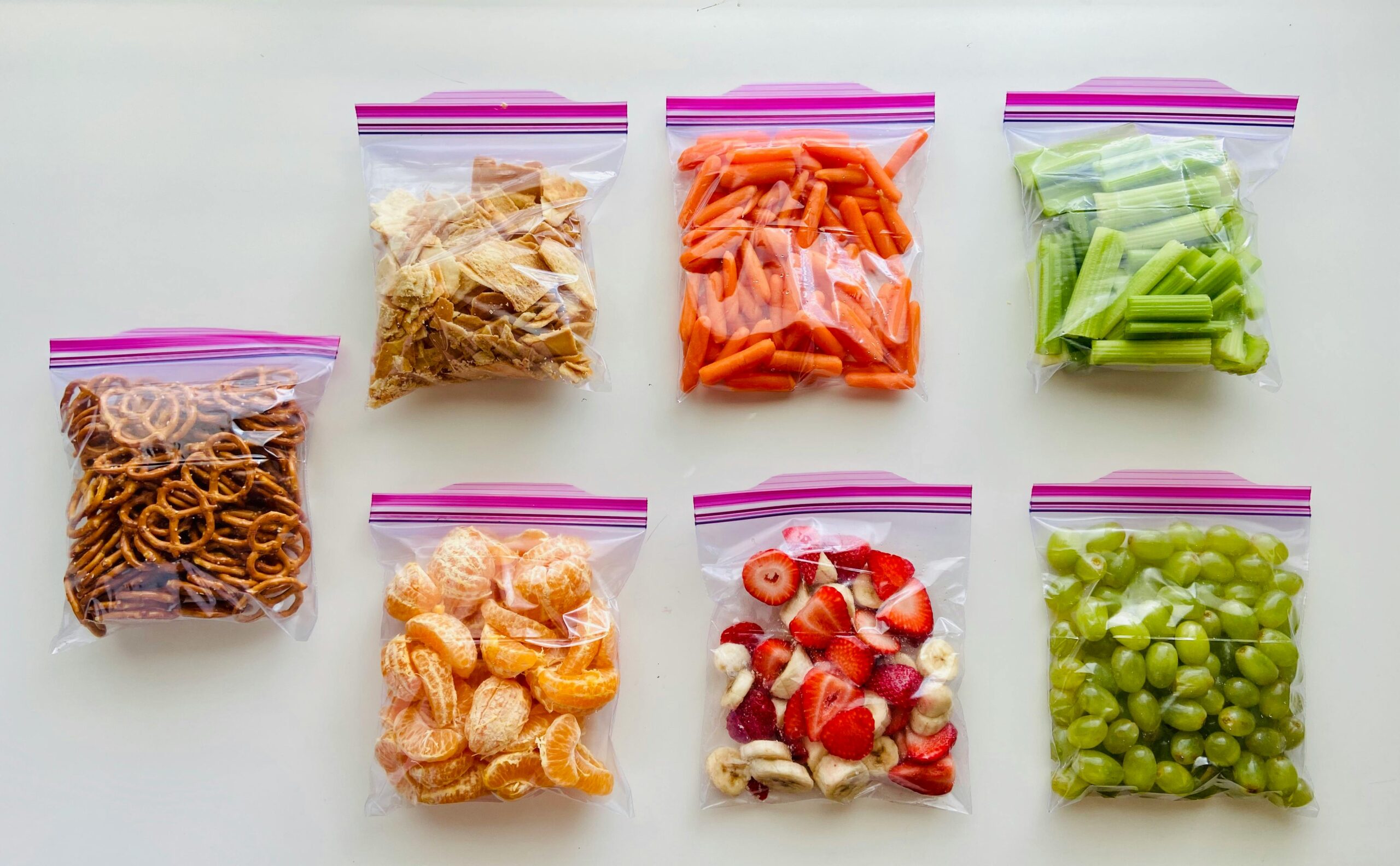
Divide large batches into single-serving or daily-use portions immediately after purchase or preparation. This limits air exposure to the entire batch every time you want a snack. Individual portions also help with dietary management and prevent overindulgence.
Use small ziplock bags, reusable silicone bags, or divided containers. Label each portion with contents and date for easy identification and rotation.
🔄 Refresh Techniques for Reviving Treats
Even with perfect storage, treats occasionally lose their ideal texture. Several techniques can revive them rather than relegating them to the trash.
Stale cookies and crackers often respond well to brief oven heating. Place them on a baking sheet at 300°F for 5-10 minutes to crisp them up. Let them cool completely before returning to storage.
Hardened brown sugar becomes soft again when stored overnight with a damp paper towel in a sealed container. For faster results, microwave it with a damp paper towel for 20-30 seconds. Moisture transfers back into the sugar crystals.
Dried-out cakes and brownies benefit from light misting with simple syrup or wrapping in a damp towel for 30 minutes. The moisture redistributes throughout the treat, restoring softness.
📱 Technology Tools for Storage Management
Several applications help manage treat inventory, track expiration dates, and plan purchases efficiently. These digital tools complement physical storage solutions.
Pantry management apps allow you to catalog everything in your treat storage, set expiration reminders, and generate shopping lists based on what you’re running low on. Many include barcode scanning features for quick item entry.
Meal planning applications often include snack and dessert planning features, helping you intentionally incorporate stored treats into your weekly consumption patterns rather than forgetting about them until they’ve expired.
🌿 Natural Preservation Enhancers
Certain natural substances extend treat freshness without artificial preservatives. Vitamin E oil added to homemade treats acts as a natural antioxidant, slowing rancidity in fat-containing items.
Oxygen absorbers—small packets containing iron powder—remove oxygen from sealed containers, dramatically extending shelf life for dry goods. These are particularly effective for treats you’re storing long-term in the pantry or freezer.
Bay leaves placed in containers deter pantry pests naturally without affecting treat flavor. This is especially useful for bulk storage of items like granola, dried fruits, and crackers.
Creating Your Personal Storage Blueprint
Developing a customized storage system requires assessing your specific needs, available space, and consumption patterns. Start by auditing your current treat inventory—what do you consistently keep on hand, and what items tend to go to waste?
Measure your available storage spaces and identify opportunities for optimization. Can you install additional shelving? Would drawer organizers improve accessibility? Could you dedicate a small closet or pantry section exclusively to treat storage?
Invest in quality containers gradually, prioritizing items you purchase or make most frequently. Building a comprehensive storage system takes time but pays dividends in reduced waste, better organization, and consistently fresh treats.
Seasonal Considerations for Storage Planning
Different seasons present unique storage challenges. Summer heat and humidity require extra vigilance—consider moving chocolate and temperature-sensitive items to air-conditioned spaces or refrigerators during hot months.
Winter’s dry air can cause treats to lose moisture quickly. Use humidifiers in storage areas or store treats in smaller portions to limit air exposure. Holiday baking season demands planning for larger quantities and varieties—ensure you have adequate freezer space and containers before beginning your baking marathon.
Spring cleaning provides an excellent opportunity to audit your storage system. Discard expired items, deep clean containers, and reorganize based on what worked well over the previous months.
Building Habits for Long-Term Success
The most sophisticated storage system fails without consistent habits supporting it. Establish a weekly inventory check—spend five minutes reviewing what needs consuming soon and planning to use those items.
Make proper storage part of your shopping routine. Never leave treats in their grocery bags; immediately transfer them to appropriate containers with labels. This small investment of time prevents future frustration and waste.
Teach household members your storage system so everyone contributes to maintaining organization. When everyone understands where items belong and why proper sealing matters, the system becomes self-sustaining rather than dependent on one person’s vigilance.
By implementing these smart storage solutions and planning strategies, you transform treat management from a source of waste and disappointment into a streamlined system that consistently delivers fresh, flavorful snacks exactly when you want them. The initial effort of establishing proper storage pays endless dividends in quality, convenience, and satisfaction.