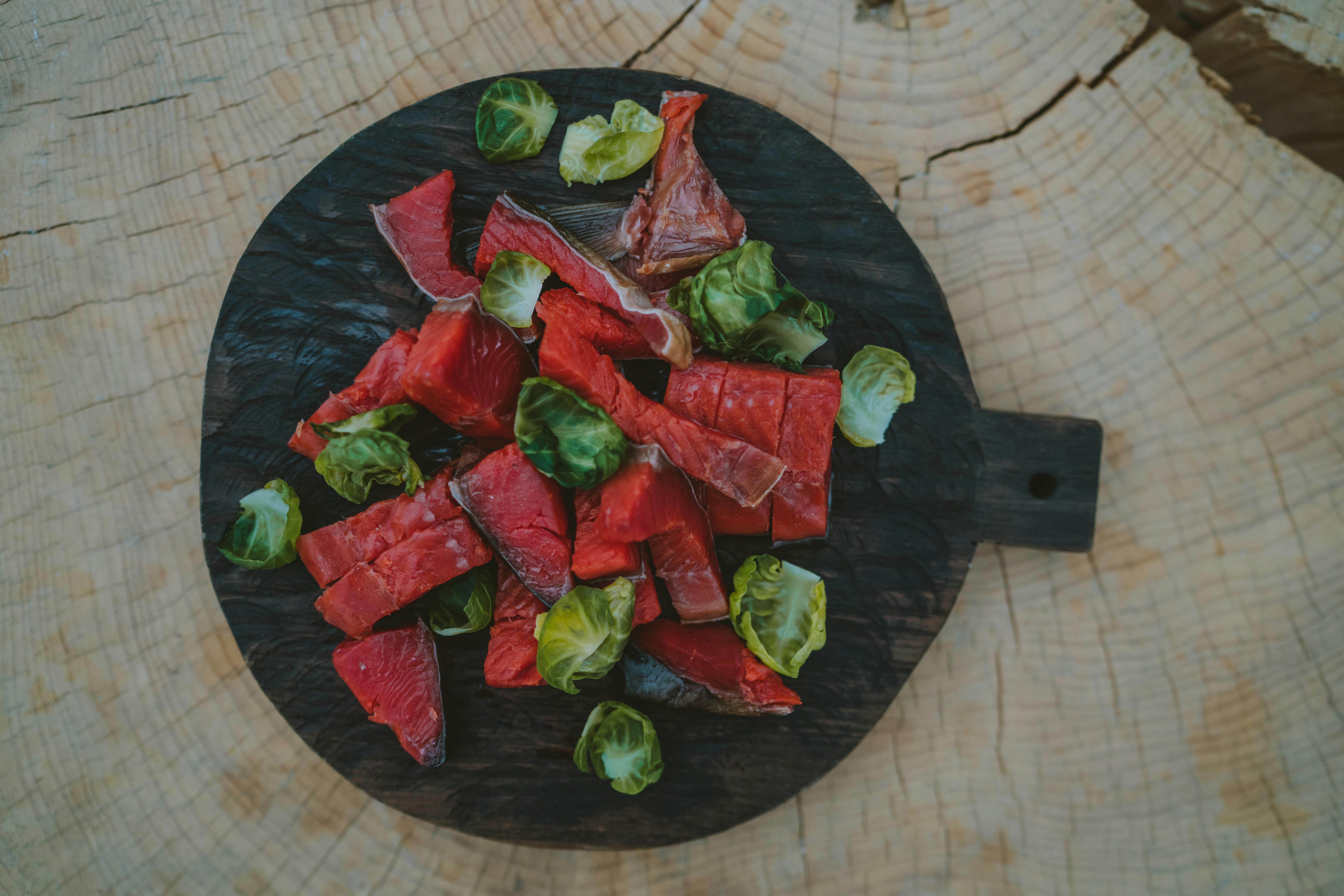
Understanding protein source labels can transform your nutrition decisions and overall health. Modern food packaging contains valuable information, yet most consumers struggle to decode these complex labels effectively.

The journey to optimal health begins with knowing exactly what you’re putting into your body. Protein, being one of the three essential macronutrients, plays a crucial role in muscle building, tissue repair, immune function, and countless other bodily processes. However, the protein industry has become increasingly complex, with marketing claims and confusing terminology making it difficult for average consumers to make informed choices.
🔍 The Hidden Language of Protein Labels
Protein source labels contain far more information than meets the eye. Beyond the basic “protein” heading, these labels reveal quality, origin, processing methods, and bioavailability. Learning to interpret these details empowers you to select products that align with your health goals and dietary requirements.
The protein content listed on packaging represents only one piece of the puzzle. Two products showing identical protein quantities can differ dramatically in quality, digestibility, and nutritional value. This discrepancy stems from various factors including source material, processing techniques, and additional ingredients that affect how your body utilizes the protein.
Understanding Protein Quality Indicators
Protein quality depends on amino acid composition and digestibility. Complete proteins contain all nine essential amino acids your body cannot produce independently. Animal-based proteins typically qualify as complete proteins, while plant-based sources often require strategic combinations to provide the full spectrum.
Look for terms like “complete protein,” “essential amino acids,” or “PDCAAS score” on labels. The Protein Digestibility Corrected Amino Acid Score (PDCAAS) measures protein quality based on amino acid requirements and digestibility, with scores ranging from 0 to 1. Higher scores indicate superior protein quality.
🥩 Decoding Animal-Based Protein Sources
Animal proteins dominate the market with options including whey, casein, egg, beef, and fish-derived proteins. Each source offers unique benefits and potential drawbacks that deserve careful consideration.
Whey Protein Varieties
Whey protein appears in three primary forms: concentrate, isolate, and hydrolysate. Whey concentrate contains 70-80% protein with higher lactose and fat content. Whey isolate undergoes additional processing to achieve 90% or higher protein content with minimal lactose and fat. Whey hydrolysate represents pre-digested protein for faster absorption, ideal for post-workout recovery.
When examining whey protein labels, check for terms like “grass-fed,” “hormone-free,” or “cold-processed.” These indicators suggest higher quality source material and gentler processing methods that preserve nutritional integrity.
Casein and Egg Proteins
Casein digests slowly, making it excellent for sustained amino acid release during fasting periods like sleep. Labels may specify “micellar casein,” the highest quality form that maintains the natural structure of milk protein.
Egg protein, derived from egg whites, provides a lactose-free alternative with excellent amino acid profiles. Look for terms like “egg white protein” or “egg albumin” on ingredient lists. Some manufacturers use whole egg protein, which includes yolk nutrients but higher fat content.
🌱 Plant-Based Protein Label Intelligence
Plant-based proteins have surged in popularity due to dietary preferences, allergies, and environmental concerns. Common sources include pea, rice, hemp, soy, and various seed proteins.
Navigating Plant Protein Blends
Many plant-based products combine multiple protein sources to create complete amino acid profiles. A typical blend might include pea and rice protein, compensating for individual amino acid limitations. Check ingredient lists to understand the protein blend composition and proportions.
Labels may highlight specific features like “organic,” “non-GMO,” or “sprouted.” Sprouting enhances digestibility and nutrient availability by reducing anti-nutritional factors present in raw plant materials.
Soy Protein Considerations
Soy protein comes in three forms: concentrate, isolate, and textured. Soy isolate contains approximately 90% protein with minimal carbohydrates and fats. However, processing methods matter significantly. Look for “non-GMO” certification and information about processing techniques, as some methods involve chemical solvents.
📊 Critical Label Components Beyond Protein Content
Comprehensive label reading extends beyond protein quantity to include serving sizes, additional ingredients, allergen warnings, and nutritional cofactors.
Serving Size Deception
Manufacturers strategically manipulate serving sizes to make nutritional profiles appear more favorable. A product listing 25 grams of protein might require a serving size of 40 grams, while a competitor offers 30 grams per 35-gram serving, representing superior protein density.
Calculate protein percentage by weight: divide protein grams by serving size grams and multiply by 100. Products exceeding 75% protein by weight generally indicate quality formulations with minimal fillers.
Amino Acid Spiking Detection
Some manufacturers engage in “amino acid spiking” or “nitrogen spiking,” adding cheap amino acids like taurine, glycine, or creatine to artificially inflate protein content measurements. While these amino acids offer benefits, they shouldn’t replace complete protein.
Examine ingredient lists carefully. If individual amino acids appear prominently before actual protein sources, the product may contain less complete protein than advertised. Reputable brands provide transparent amino acid profiles showing the full spectrum naturally present in their protein sources.
🏷️ Marketing Claims Versus Reality
Protein product marketing employs persuasive language that may mislead uninformed consumers. Understanding common claims helps separate substance from hype.
Natural and Organic Certifications
“Natural” remains an unregulated term in many jurisdictions, allowing broad interpretation. “Organic” certification, however, requires adherence to specific agricultural standards prohibiting synthetic pesticides and GMOs. USDA Organic or equivalent certifications indicate legitimate organic status.
“Grass-fed” and “pasture-raised” suggest higher quality animal protein sources, typically containing superior omega-3 fatty acid ratios and nutrient density. However, verify these claims through recognized certification logos rather than trusting marketing language alone.
Time-Release and Absorption Claims
Products claiming “time-release” or “extended absorption” properties deserve scrutiny. While certain proteins naturally digest at different rates (casein versus whey), artificial time-release mechanisms are uncommon in protein powders. These claims often reference natural digestion rates rather than special formulation features.
“Enhanced absorption” or “bioavailability boosting” claims may reference added digestive enzymes like protease, papain, or bromelain. These enzymes can legitimately improve protein breakdown, particularly beneficial for individuals with digestive sensitivities.
🔬 Scientific Metrics on Protein Labels
Advanced labels include scientific measurements providing objective quality assessments. Familiarizing yourself with these metrics elevates your selection capabilities.
Biological Value and Net Protein Utilization
Biological Value (BV) measures the proportion of absorbed protein actually incorporated into body proteins. Whole eggs score 100 on this scale, while whey protein exceeds 100 due to superior absorption characteristics. Higher BV indicates more efficient protein utilization.
Net Protein Utilization (NPU) assesses protein quality by measuring nitrogen retention. This metric accounts for both digestibility and amino acid composition, providing comprehensive quality evaluation.
DIAAS: The New Standard
The Digestible Indispensable Amino Acid Score (DIAAS) represents the most current protein quality measurement, adopted by the FAO in 2013. Unlike PDCAAS, DIAAS measures ileal digestibility (end of small intestine) and allows scores exceeding 100, better reflecting protein quality differences.
While DIAAS appears infrequently on current labels, forward-thinking manufacturers are beginning to include this superior metric. DIAAS scores above 100 indicate excellent protein quality, while scores below 75 suggest incomplete or less digestible protein sources.
⚠️ Allergen Information and Dietary Restrictions
Protein source labels must clearly identify major allergens, but understanding these warnings requires careful attention to detail.
Cross-Contamination Warnings
Phrases like “manufactured in a facility that processes” or “may contain traces of” indicate potential cross-contamination risks. For individuals with severe allergies, these warnings carry significant importance even when the product doesn’t intentionally contain the allergen.
Dedicated facilities processing single protein sources minimize contamination risks. Labels stating “processed in a dedicated facility” or similar language provide greater confidence for allergy-sensitive consumers.
Vegan and Vegetarian Certifications
Official vegan certifications from organizations like The Vegan Society or Certified Vegan guarantee products contain no animal-derived ingredients or byproducts. These certifications involve thorough auditing processes beyond simple ingredient list verification.
Some protein products use plant-based proteins but include animal-derived vitamins or processing aids. Certification logos provide assurance that all aspects meet vegan standards.
💡 Practical Label Reading Strategies
Developing systematic label evaluation approaches streamlines decision-making and ensures consistent quality selections.
The Five-Second Scan Method
Start with protein content per serving, then immediately check serving size. Calculate protein density percentage. If this preliminary check meets your standards, proceed to deeper evaluation. If not, move to the next product, saving time.
Next, scan the ingredient list. Quality products list protein sources first, with minimal additives. Ingredient lists organized by weight reveal formulation priorities. Protein sources should dominate the first few ingredients.
Red Flag Ingredients
Certain ingredients warrant caution or avoidance depending on your health priorities. Artificial sweeteners like sucralose, aspartame, or acesulfame potassium concern some consumers despite regulatory approval. Maltodextrin, while technically safe, acts as a filler adding carbohydrates without nutritional value.
Excessive sodium levels, proprietary blends hiding ingredient proportions, and long lists of unfamiliar chemicals may indicate inferior products. While not necessarily harmful, these characteristics often correlate with lower overall quality.
🛒 Making Informed Purchasing Decisions
Armed with label-reading skills, you can confidently navigate protein product selections across various shopping environments.
Comparing Products Effectively
Create mental or physical comparison frameworks evaluating key criteria: protein density, source quality, additional ingredients, price per serving, and certification status. This systematic approach prevents emotional or marketing-driven purchases.
Consider cost per gram of protein rather than total package price. A seemingly expensive product may offer superior value when protein density and serving counts are factored. Divide total price by total protein grams to calculate this metric.
Brand Transparency and Testing
Research brands conducting third-party testing for purity and label accuracy. Companies submitting products for independent verification demonstrate commitment to quality and transparency. Look for certifications from organizations like NSF Certified for Sport, Informed-Choice, or USP Verification.
Brand websites often provide detailed information about sourcing, manufacturing processes, and quality control measures. Companies proud of their practices eagerly share these details, while those with questionable methods avoid transparency.
🎯 Matching Protein Sources to Personal Goals
Different protein sources serve different purposes depending on fitness goals, dietary needs, and timing considerations.
Performance and Recovery Objectives
Athletes prioritizing rapid recovery benefit from fast-digesting proteins like whey isolate or hydrolysate consumed immediately post-workout. The quick amino acid delivery supports muscle protein synthesis during the critical recovery window.
Endurance athletes may prefer blended proteins providing sustained amino acid release throughout long training sessions. Combination products featuring both fast and slow-digesting proteins maintain steady amino acid availability.
Weight Management Applications
High-protein diets support weight management through increased satiety and metabolic benefits. For this purpose, protein density and minimal added calories become paramount. Choose products with high protein percentages, low added sugars, and minimal fats unless specifically desired.
Casein protein or plant-based proteins with fiber content enhance fullness, potentially reducing overall calorie consumption. Labels indicating added fiber or highlighting satiety benefits may suit weight management goals.
🌟 Future of Protein Labeling
Protein label evolution continues as consumer awareness increases and regulatory frameworks develop. Anticipating these changes prepares you for emerging label information.
Sustainability metrics are gradually appearing on protein products, including carbon footprint calculations, water usage data, and environmental impact scores. As climate concerns grow, these indicators will likely become standard label features.
Personalized nutrition technologies may eventually integrate with product labels, allowing smartphone apps to scan barcodes and provide customized recommendations based on individual genetic profiles, health conditions, and fitness goals. This technological integration would revolutionize protein selection processes.

🏆 Becoming a Protein Label Expert
Mastering protein label interpretation transforms shopping from overwhelming to empowering. This knowledge enables precise nutritional control, supporting health objectives through informed choices rather than marketing-influenced decisions.
Start by implementing systematic label evaluation during your next shopping trip. Compare familiar products using your new knowledge, noting differences you previously overlooked. This practical application reinforces learning and builds confidence.
Remember that perfect doesn’t exist in nutrition. Even with comprehensive label knowledge, individual responses vary. Use labels as foundational guidance, then refine choices based on personal experience, tolerances, and results. The combination of objective label information and subjective self-awareness creates optimal nutrition strategies.
Your investment in understanding protein source labels pays dividends throughout your health journey. Each informed choice accumulates, creating long-term nutritional advantages that support fitness goals, health maintenance, and overall wellbeing. The mystery of protein labels need no longer remain mysterious—you now possess the tools to crack the code and make smarter, healthier choices every time you shop. 💪