Time is our most precious resource, and how we use it during play can define the quality of our experiences. Whether you’re gaming, engaging in creative activities, or managing team sessions, understanding optimal playtime duration transforms mere participation into memorable, productive experiences.

Modern research in psychology and productivity reveals fascinating insights about how our brains process engagement during recreational activities. The key isn’t simply about playing more or less—it’s about discovering the sweet spot where enjoyment, learning, and accomplishment intersect perfectly for maximum benefit.
🎯 Understanding the Science Behind Optimal Play Sessions
Our brains operate in natural cycles of attention and energy that directly impact how we experience playtime. The concept of ultradian rhythms—biological cycles that occur multiple times throughout the day—plays a crucial role in determining ideal session lengths. Research shows that most people experience peak focus for approximately 90 to 120 minutes before requiring a break.
During play activities, our brains release dopamine, the neurotransmitter associated with pleasure and motivation. However, this chemical reward system functions best when properly managed. Extended sessions without breaks can lead to dopamine depletion, resulting in diminished enjoyment and increased frustration rather than continued satisfaction.
The flow state—that magical zone where time seems to disappear and performance peaks—typically requires 15-20 minutes to achieve but can only be sustained for limited periods. Understanding this window allows players to structure sessions that maximize time spent in this highly productive and enjoyable state.
Different Activities Require Different Duration Strategies
Not all play experiences are created equal when it comes to optimal duration. Video games, board games, sports, creative hobbies, and collaborative team activities each have unique characteristics that influence ideal session lengths.
Video Gaming Sessions: Finding Your Perfect Match Length
Competitive multiplayer games typically benefit from shorter, more intense sessions. Research indicates that 45-60 minute sessions maintain peak performance and enjoyment without excessive fatigue. After this window, reaction times slow, decision-making quality decreases, and frustration levels increase significantly.
Story-driven single-player experiences function differently. These games often require 90-120 minute sessions to properly immerse players in narratives and allow meaningful progression. Breaking these experiences too frequently can disrupt emotional investment and narrative flow.
Mobile gaming operates on an entirely different schedule. Most successful mobile games are designed around 5-15 minute play sessions that fit into daily life gaps. These bite-sized experiences accommodate modern attention patterns and lifestyle demands while maintaining engagement through frequent, satisfying completion loops.
Creative and Productive Play Activities
Creative pursuits like drawing, music practice, writing, or crafting require different duration considerations. The initial warm-up period for creative work typically spans 10-15 minutes as the mind transitions into creative mode. Stopping before 30 minutes rarely allows enough time to produce meaningful work or experience satisfaction.
Optimal creative sessions generally range between 90-120 minutes, aligning with natural ultradian rhythms. This timeframe provides adequate warm-up time, sustained creative flow, and completion of meaningful chunks of work without exhausting mental resources.
⏰ The Power of Strategic Break Implementation
Breaks aren’t interruptions to playtime—they’re essential components that enhance overall experience quality and sustainability. Strategic break implementation can increase total enjoyment and productivity by 30-40% compared to continuous play sessions.
The Pomodoro Technique, traditionally used for work, adapts beautifully to play contexts. This method involves 25-minute focused sessions followed by 5-minute breaks, with longer 15-30 minute breaks after every four cycles. While originally designed for productivity tasks, this structure prevents burnout during intensive gaming or practice sessions.
Physical movement during breaks proves especially crucial. Even two minutes of stretching, walking, or simple exercises dramatically improves subsequent session quality by increasing blood flow, resetting attention mechanisms, and reducing physical strain from stationary positions.
Age-Appropriate Session Duration Guidelines
Different life stages come with varying attention capacities and play needs that should inform session duration decisions for optimal experiences.
Children and Playtime Duration
Young children (ages 3-6) have naturally shorter attention spans, typically ranging from 15-30 minutes for structured activities. Their play sessions benefit from frequent transitions and variety rather than extended focus on single activities. However, when deeply engaged in imaginative play, children may sustain attention longer organically.
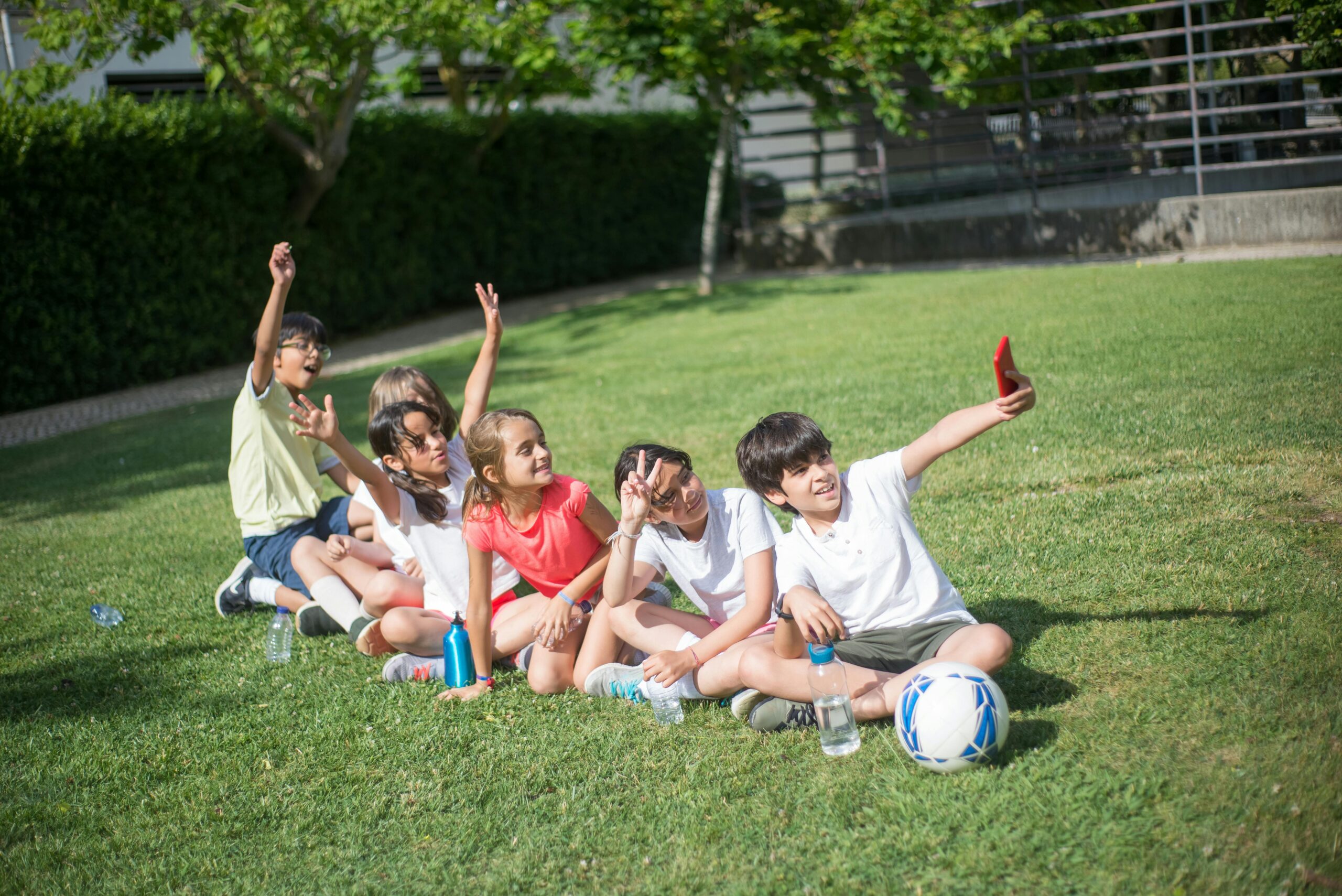
School-age children (ages 7-12) can handle 30-60 minute sessions effectively, though this varies significantly by individual temperament and activity type. Digital screen time recommendations from pediatric organizations suggest limiting recreational screen sessions to 60-90 minutes with mandatory breaks.
Teen and Adult Optimization
Teenagers and adults possess the attention capacity for longer sessions but face different challenges related to responsibility balance and lifestyle integration. For this demographic, 60-90 minute sessions with structured breaks offer the best balance between meaningful engagement and life management.
Adults often benefit from viewing play sessions as intentional self-care rather than time-filling activities. Scheduling specific playtime windows of 60-120 minutes creates psychological permission to fully engage without guilt, enhancing both enjoyment and relaxation benefits.
🎮 Tracking and Measuring Your Optimal Duration
Personal optimization requires data collection and honest self-assessment. Maintaining a play journal—even simple notes in a phone app—helps identify patterns in energy, enjoyment, and performance across different session lengths.
Key metrics to track include subjective enjoyment ratings (on a 1-10 scale), performance indicators relevant to the activity, mood before and after sessions, and physical comfort levels. After tracking 10-15 sessions, clear patterns typically emerge revealing your personal optimal durations.
Many gaming platforms now offer built-in time tracking and reminder features that help manage session durations. These tools provide valuable awareness without requiring manual tracking, making duration optimization more accessible.
Managing Multiple Play Sessions Throughout the Day
For those fortunate enough to enjoy multiple play periods daily, distribution matters as much as individual session length. Research on cognitive recovery suggests spacing play sessions at least 3-4 hours apart maintains freshness and prevents cumulative fatigue.
Morning play sessions often feature higher energy and sharper cognitive function, making them ideal for skill-intensive or competitive activities. Evening sessions work better for relaxing, story-driven, or social play experiences that help transition from work to rest.
The “play sandwich” approach—brief 15-minute sessions morning and evening surrounding a longer 90-minute midday or evening session—provides variety and sustained engagement without overwhelming time commitment or exhaustion.
💡 Warning Signs of Suboptimal Session Duration
Recognizing when sessions run too long or too short empowers better decision-making for future play periods. Physical symptoms provide immediate feedback about duration problems.
Common indicators of excessive session length include eye strain or headaches, physical discomfort or stiffness, irritability or mood deterioration, declining performance despite continued effort, and difficulty stopping even when enjoyment has diminished. These signs suggest sessions should be shortened or breaks increased.
Conversely, consistently feeling that sessions end just as you’re getting engaged, experiencing frustration from insufficient progress, or constantly thinking about returning to the activity suggests sessions may be too brief for the activity type.
Social Play Considerations and Group Dynamics
Multiplayer and social play activities introduce additional complexity to duration optimization. Group sessions must accommodate the least available common denominator—the person with the tightest time constraints—while still providing meaningful experiences.
Successful social play sessions typically run 90-120 minutes, providing adequate time for setup, warm-up social interaction, meaningful gameplay, and natural conclusion points. Shorter sessions often feel rushed, while longer sessions risk participant fatigue and scheduling conflicts.
Establishing expected duration upfront prevents awkward departures and allows all participants to mentally commit to the timeframe. Clear start and end times demonstrate respect for everyone’s schedules and reduce anxiety about time management.
🚀 Technology Tools for Session Optimization
Modern technology offers numerous solutions for managing and optimizing playtime duration without requiring constant self-monitoring.
Timer apps with customizable intervals, gentle reminder notifications, and tracking features help implement structured session management. Features like gradual volume increases or screen dimming provide non-disruptive duration awareness during immersive activities.
Gaming platforms increasingly incorporate wellbeing features including playtime tracking, break reminders, and session duration recommendations based on individual patterns. These tools transform duration management from manual effort into automated support.
Creating Your Personal Play Duration Framework
Developing a sustainable personal approach to session duration requires experimentation, honest assessment, and willingness to adjust based on results. Start by identifying your primary play activities and current typical session lengths.
Experiment systematically with different durations—try 30-minute, 60-minute, and 90-minute sessions for the same activity over different days. Record your experience quality, energy levels, and satisfaction after each to identify your sweet spot.
Consider creating activity-specific duration rules: perhaps 45 minutes for competitive gaming, 90 minutes for creative hobbies, and 60 minutes for casual multiplayer experiences. This structure provides guidance without requiring constant decision-making.
Adapting Duration for Special Circumstances
Life doesn’t always accommodate ideal session structures, and flexibility remains essential for sustainable play habits. High-stress periods may require shorter, more frequent sessions that provide relief without demanding extensive time commitment.
Conversely, vacation periods or extended free time might support longer, more immersive sessions that wouldn’t work during regular schedules. Recognizing these contextual differences prevents rigid thinking that ultimately reduces enjoyment.
The goal isn’t perfect adherence to predetermined durations but rather conscious choice-making that serves your wellbeing, enjoyment, and life balance. Some days call for quick 20-minute experiences; others support luxurious 3-hour deep dives.
🌟 Long-Term Benefits of Optimized Play Duration
Committing to appropriate session durations generates compounding benefits over time. Reduced burnout means sustained interest in favorite activities across months and years rather than boom-bust cycles of obsession and abandonment.
Better time management skills developed through conscious play duration naturally transfer to other life areas. The discipline of respecting predetermined session lengths builds broader self-regulation capabilities valuable in professional and personal contexts.
Physical health benefits accumulate as well. Appropriate session lengths with adequate breaks reduce eye strain, repetitive stress injuries, and sedentary behavior consequences that plague those practicing extended, unbroken play sessions.
Building Sustainable Play Habits for Lifetime Enjoyment
The ultimate objective of duration optimization isn’t squeezing maximum productivity from every moment but rather cultivating a sustainable relationship with play that enriches life across decades. This requires viewing play as essential self-care worthy of intentional design rather than guilty pleasure or time waste.
Mastering session duration transforms play from passive time consumption into active experience design. You become the architect of your recreational life, consciously crafting sessions that deliver maximum enjoyment, skill development, and life balance without sacrificing other important commitments or long-term wellbeing.
Start implementing these principles today with your very next play session. Set a timer, commit to breaks, and notice the difference in experience quality. Your future self—still joyfully engaged in favorite activities years from now—will thank you for the sustainable foundation you’re building right now.