
Every dog owner knows that a happy dog is a healthy dog, and the secret lies in providing the right amount of physical and mental stimulation daily.

Our canine companions are natural athletes and explorers, descended from wolves who spent their days hunting, playing, and navigating vast territories. Modern domesticated dogs still carry these innate drives, which means they need engaging activities to channel their energy productively. Without proper outlets, dogs can develop behavioral problems, gain excess weight, or become anxious and destructive. The good news is that keeping your furry friend entertained doesn’t have to be complicated or expensive—it just requires creativity, consistency, and understanding of what makes your specific dog tick.
🐕 Understanding Your Dog’s Energy Levels and Exercise Needs
Before diving into specific activities, it’s crucial to recognize that different breeds and individual dogs have vastly different energy requirements. A Border Collie will need significantly more stimulation than a Bulldog, and a young puppy has different needs than a senior dog.
High-energy breeds like Australian Shepherds, Jack Russell Terriers, and Belgian Malinois typically require 60-120 minutes of vigorous exercise daily. Medium-energy dogs such as Beagles, Cocker Spaniels, and mixed breeds often thrive with 30-60 minutes of moderate activity. Low-energy breeds including Basset Hounds, Shih Tzus, and older dogs may be satisfied with 20-30 minutes of gentle walks and play.
Age also plays a critical role. Puppies have bursts of intense energy followed by long naps, while senior dogs need gentler, shorter sessions to protect their joints. Always consult your veterinarian before starting any new exercise regimen, especially for puppies whose growth plates are still developing or older dogs with potential health concerns.
Running and Jogging: The Classic Cardio Workout
Running alongside your dog is one of the most straightforward ways to burn energy while improving your own fitness. This activity works exceptionally well for athletic breeds that were developed for endurance, such as Weimaraners, Vizslas, and Labrador Retrievers.
Start gradually if your dog isn’t accustomed to running. Begin with a brisk walk-jog combination for 10-15 minutes, then progressively increase duration and intensity over several weeks. Always run on softer surfaces like grass or dirt trails when possible to protect your dog’s joints and paw pads from the impact of concrete.
Morning or evening runs are ideal during warmer months, as dogs are susceptible to overheating due to their limited ability to sweat. Bring water for both of you, watch for signs of fatigue like excessive panting or lagging behind, and never force your dog to continue if they seem tired or distressed.
🎾 Fetch Games That Go Beyond the Basics
While standard fetch is a beloved classic, you can elevate this simple game into a comprehensive workout that challenges both body and mind. The beauty of fetch lies in its versatility—you can play it almost anywhere and adjust intensity levels instantly.
Try these fetch variations to keep things interesting:
- Hill fetch: Throw the ball uphill to increase resistance and build leg muscles
- Water fetch: Swimming to retrieve toys provides low-impact, full-body exercise
- Multiple toy fetch: Use two or three balls to keep your dog moving continuously without rest breaks
- Hide and seek fetch: Hide the toy and have your dog use their nose to find it before the retrieve
- Frisbee fetch: The flying disc adds an aerial component that engages different muscle groups
Always use dog-safe toys appropriate for your pet’s size and chewing strength. Tennis balls can wear down tooth enamel over time, so consider rubber alternatives designed specifically for dogs.
Agility Training: Mental and Physical Mastery Combined
Agility courses offer an incredible combination of physical exercise, mental stimulation, and bonding opportunities. You don’t need expensive equipment or formal training to get started—many obstacles can be improvised at home or in your backyard.
Basic agility elements include jumps, tunnels, weave poles, pause tables, and A-frames. Start with low heights and slow speeds, rewarding your dog generously for each successful attempt. As confidence builds, you can increase difficulty and add complexity to sequences.
Even if you never compete formally, agility training teaches dogs body awareness, improves their listening skills, and provides an excellent outlet for excess energy. Many dogs who struggle with leash reactivity or anxiety show remarkable improvement after starting agility work because it builds confidence and focus.
Local dog training facilities often offer agility classes for beginners, which provide professional guidance and socialization opportunities. Alternatively, you can purchase affordable agility kits online or create DIY obstacles using household items like PVC pipes, hula hoops, and cardboard boxes.
🏊♂️ Swimming: The Ultimate Low-Impact Exercise
Swimming is arguably the perfect exercise for dogs, providing cardiovascular benefits and full-body muscle engagement without stressing joints. This makes it especially valuable for overweight dogs, those recovering from injuries, or breeds prone to hip dysplasia and arthritis.
Not all dogs are natural swimmers despite the popular belief. Brachycephalic breeds (flat-faced dogs like Bulldogs and Pugs) often struggle in water, as do dogs with short legs and heavy chests. Always introduce water gradually and never force a fearful dog into swimming.
Start in shallow water where your dog can touch the bottom, using high-value treats and encouragement to build positive associations. A dog life jacket provides safety and confidence, especially for beginners or breeds with less buoyant body types. Rinse your dog thoroughly after swimming in chlorinated pools or salt water to prevent skin irritation.
Dog-friendly beaches, lakes, and specialty dog swimming pools offer controlled environments for aquatic exercise. Some rehabilitation centers even offer hydrotherapy sessions with trained professionals who can develop targeted exercise programs for specific health conditions.
Interactive Puzzle Toys and Food Dispensing Games
Physical exercise alone isn’t enough—dogs need mental stimulation to truly thrive. Puzzle toys and food-dispensing games engage your dog’s problem-solving abilities while slowing down fast eaters and providing entertainment during times when outdoor activity isn’t possible.
The market offers puzzle toys at various difficulty levels, from simple treat-dispensing balls to complex multi-step puzzles requiring sequential actions to access rewards. Rotate toys regularly to maintain novelty and challenge. You can even create DIY puzzles using muffin tins covered with tennis balls, cardboard boxes filled with crumpled paper hiding treats, or frozen Kong toys stuffed with peanut butter and kibble.
Scent work games tap into dogs’ incredible olfactory abilities. Hide treats around your house or yard and encourage your dog to find them using only their nose. Start easy and gradually increase difficulty by hiding treats in more challenging locations or using scent-specific training aids.
🚴♀️ Biking with Your Dog: Covering More Ground
For truly high-energy dogs, walking may not provide sufficient exercise. Biking allows you to cover greater distances while your dog runs alongside, perfect for breeds bred for endurance like Huskies, German Shepherds, and Dalmatians.
Safety is paramount when biking with dogs. Specialized dog bike attachments keep the leash away from your wheels while maintaining control. These devices attach to your bike frame and include a spring mechanism that absorbs sudden pulls, preventing accidents.
Train your dog to run beside your bike in a controlled manner before venturing onto roads or crowded paths. Start in empty parking lots or quiet streets, practicing commands like “slow,” “stop,” and “easy.” Never bike with your dog on a retractable leash or standard leash held in your hand—one squirrel sighting could result in serious injury.
Monitor your dog closely during bike runs. Check their paws regularly for cuts or abrasions, especially when running on pavement. Limit sessions in hot weather and bring water for frequent hydration breaks.
Hiking Adventures: Exploring Nature Together
Hiking combines exercise with sensory enrichment as your dog encounters new smells, sights, and sounds. The varied terrain—hills, streams, rocky paths, and forest trails—engages different muscle groups and keeps the experience mentally stimulating.
Research dog-friendly trails in your area, paying attention to regulations regarding leashes and restricted areas. Pack essentials including water, a collapsible bowl, waste bags, a first-aid kit, and high-energy snacks for longer hikes. Consider a dog backpack so your canine companion can carry their own supplies, adding purpose and additional exercise to the outing.
Trail etiquette matters. Keep your dog under control, yield to other hikers, and stay on marked paths to protect local ecosystems. Be aware of wildlife—encounters with snakes, porcupines, or aggressive animals can turn dangerous quickly. Check your dog for ticks after every hike, especially in wooded areas during warmer months.
🤼 Organized Dog Sports: Competition and Community
Structured dog sports provide goals, community, and specialized training that many dogs and owners find incredibly rewarding. These activities range from informal fun to serious competition, accommodating all skill levels and interests.
Popular dog sports include:
- Flyball: Relay races where dogs jump hurdles, trigger a ball-releasing box, and return
- Dock diving: Dogs leap from a dock into water, competing for distance or height
- Lure coursing: Sight hounds chase a mechanized lure across a field
- Rally obedience: Handler and dog navigate a course with designated exercises at each station
- Barn hunt: Dogs locate rats safely enclosed in tubes hidden in hay bales
- Disc dog: Choreographed freestyle routines incorporating multiple frisbee catches
These sports offer structured training, social opportunities with like-minded owners, and measurable progress through titles and competitions. Many owners discover that their “problem” dog simply needed an appropriate outlet for their breed-specific drives.
Tug-of-War: Power Play Done Right
Despite outdated myths suggesting tug-of-war promotes aggression or dominance, this game actually offers excellent physical exercise and impulse control training when played with proper rules. The pulling action engages core muscles, provides a satisfying outlet for prey drive, and strengthens the bond between dog and owner.
Establish clear rules: the game starts when you say so, your dog must release the toy on command, and play stops immediately if teeth touch skin. Use a designated tug toy rather than old clothing to prevent confusion about what’s appropriate to pull on.
Tug-of-war is particularly valuable for building confidence in shy dogs and teaching self-control in excitable dogs. It’s also an ideal indoor activity for high-energy days when weather prevents outdoor exercise.
🐾 Socialization Through Dog Parks and Playdates
While not every dog enjoys the dog park experience, social play with compatible canine friends provides unmatched physical and mental stimulation. Dogs engage in complex play behaviors—chasing, wrestling, play bowing—that humans simply cannot replicate.
Successful dog park visits require vigilance. Monitor your dog’s body language constantly, intervene before play becomes too rough, and be prepared to leave if the environment feels unsafe. Not all dogs are dog park candidates—reactive, aggressive, or fearful dogs often do better with carefully arranged one-on-one playdates with known, compatible dogs.
Organize regular playdates with friends or neighbors who have dogs similar in size, age, and play style to your own. Rotating locations adds variety and keeps dogs engaged with new environments and scents.
Training Sessions: Exercise for the Brain
Never underestimate the power of training to tire your dog. Mental work is exhausting—fifteen minutes of focused training can equal a thirty-minute walk in terms of overall fatigue. Teaching new tricks, practicing obedience commands, or working on behavior modification all count as meaningful activity.
Break training into short, frequent sessions rather than long, boring drills. Use positive reinforcement methods with high-value rewards to maintain enthusiasm. Training can happen anywhere: practice “wait” before meals, work on “place” command during TV commercials, or rehearse loose-leash walking in your hallway on rainy days.
Advanced training challenges include teaching multi-step tricks, duration behaviors like extended stays, or distance commands where your dog responds from across the room. These exercises build focus, impulse control, and confidence while strengthening your communication.
🌟 Creating a Balanced Activity Schedule
Consistency matters more than intensity. A balanced schedule incorporates various activity types throughout the week, preventing boredom while reducing injury risk from repetitive strain. Mix high-impact exercises like running with low-impact activities like swimming, and alternate physical days with mental enrichment days.
A sample weekly schedule for a high-energy dog might include:
| Day | Morning | Evening |
|---|---|---|
| Monday | 30-min jog | Training session + puzzle toys |
| Tuesday | Dog park visit | Fetch in backyard |
| Wednesday | Bike ride 45 min | Gentle walk + scent games |
| Thursday | Agility training | Tug-of-war + trick training |
| Friday | Swimming session | Relaxed walk |
| Saturday | Hiking adventure | Rest/light play |
| Sunday | Playdate with dog friend | Puzzle toys + training |
Adjust this template based on your dog’s age, breed, health status, and individual preferences. Some dogs thrive on predictability while others benefit from more spontaneous variety.
Recognizing When Your Dog Needs More (or Less)
Learning to read your dog’s signals helps you calibrate activity levels appropriately. Signs your dog needs more stimulation include destructive chewing, excessive barking, hyperactivity, difficulty settling down, attention-seeking behaviors, and restlessness during normally quiet times.
Conversely, over-exercise is real and dangerous. Warning signs include reluctance to continue activities, excessive panting that doesn’t resolve with rest, limping or stiffness, disorientation, vomiting, or collapse. Always err on the side of caution, especially with puppies, seniors, or brachycephalic breeds prone to breathing difficulties.
Quality matters more than quantity. A focused 20-minute training session often provides more satisfaction than an hour of aimless yard time. Pay attention to what truly engages your specific dog and build your routine around those preferences.
💪 The Transformative Power of Regular Activity
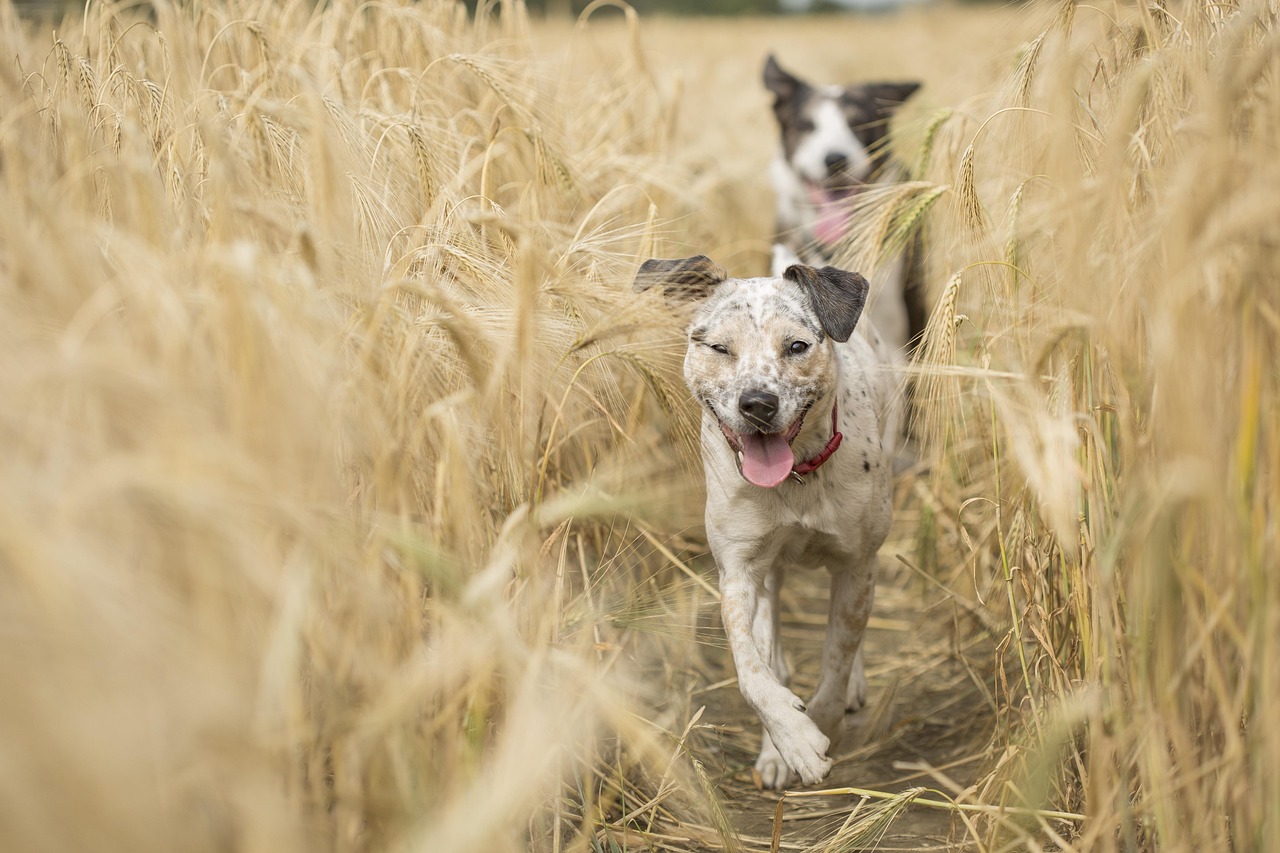
Committing to regular, varied activities transforms not just your dog’s physical health but their overall quality of life. Well-exercised dogs sleep better, show fewer behavioral problems, maintain healthy weights, and develop stronger bonds with their owners through shared experiences.
The benefits extend to you as well. Dog owners who regularly exercise with their pets report increased physical activity levels, reduced stress, expanded social networks through dog-related activities, and greater life satisfaction. Your dog becomes your personal trainer, accountability partner, and adventure companion all rolled into one enthusiastic, furry package.
Start where you are with what you have. You don’t need expensive equipment, perfect weather, or hours of free time to begin enriching your dog’s life. Even small changes—adding a five-minute training session before dinner, taking a different walking route, or introducing one new puzzle toy—create positive momentum that builds over time into lasting lifestyle changes benefiting both you and your canine companion for years to come.