
In our fast-paced world filled with constant notifications, deadlines, and responsibilities, finding moments to truly unwind has become more essential than ever. Low-impact activities offer the perfect solution for those seeking tranquility without exhausting themselves further.

The beauty of calm, easygoing days lies in their simplicity and accessibility. Unlike high-intensity workouts or adrenaline-pumping adventures, low-impact activities allow your nervous system to downshift, giving both your mind and body the restorative break they desperately need. These gentle practices create space for healing, reflection, and genuine relaxation that can transform your overall well-being.
🌿 Understanding the Power of Low-Impact Restoration
Low-impact activities are characterized by their gentle nature and minimal stress on your physical and mental systems. Rather than pushing your limits, these practices encourage you to meet yourself where you are, honoring your current energy levels and emotional state. The goal isn’t achievement or performance—it’s simply to be present and allow your body’s natural healing mechanisms to activate.
Research consistently shows that incorporating regular low-impact activities into your routine can significantly reduce cortisol levels, improve sleep quality, and enhance overall mood. These activities work by activating your parasympathetic nervous system, often called the “rest and digest” mode, which counterbalances the stress response that dominates much of modern life.
The Art of Mindful Walking in Nature
Walking might seem too simple to be therapeutic, but when approached mindfully, it becomes one of the most powerful tools for mental clarity and physical restoration. Unlike brisk exercise walks, mindful walking emphasizes slow, deliberate movements where you pay attention to each step, breath, and sensation.
Choose natural settings whenever possible—parks, gardens, forest trails, or even tree-lined streets. The Japanese practice of “shinrin-yoku” or forest bathing has been scientifically proven to lower blood pressure, reduce stress hormones, and boost immune function. Simply being among trees and breathing in phytoncides (natural compounds released by plants) provides measurable health benefits.
How to Practice Mindful Walking
Begin by standing still for a moment, taking three deep breaths to center yourself. As you start walking, notice the sensation of your feet making contact with the ground. Feel the heel touch down, the weight roll forward, and the toe push off. Observe the rhythm of your breath naturally synchronizing with your steps. When your mind wanders—and it will—gently redirect your attention back to the physical sensations of walking.
Aim for 20-30 minutes of mindful walking, though even 10 minutes can provide noticeable benefits. Leave your phone on silent or at home if possible, allowing this time to be truly unplugged and present.
☁️ Restorative Yoga and Gentle Stretching
Unlike more vigorous yoga styles, restorative yoga uses props like bolsters, blankets, and blocks to support your body in passive poses held for extended periods. This practice specifically targets the connective tissues and encourages deep relaxation by holding poses for 5-20 minutes, allowing gravity and time to work their magic.
Gentle stretching and restorative yoga activate your body’s relaxation response while improving flexibility and releasing chronic tension patterns. These practices are particularly beneficial for people dealing with stress, anxiety, insomnia, or chronic pain conditions.
Essential Restorative Poses for Beginners
- Supported Child’s Pose: Place a bolster or folded blankets between your knees and rest your torso forward, turning your head to one side. This gently stretches the hips and lower back while calming the nervous system.
- Legs-Up-the-Wall: Lie on your back with your legs extended vertically against a wall. This inverted position improves circulation, reduces leg swelling, and promotes deep relaxation.
- Reclined Bound Angle: Lie back with the soles of your feet together and knees falling open, supporting your knees with blocks or cushions. This opens the hips and chest while encouraging deep breathing.
- Supported Savasana: Lie flat with a bolster under your knees and a folded blanket under your head, covering yourself with a blanket. This final relaxation pose integrates the benefits of your practice.
Meditation and Breathwork for Mental Clarity
Meditation doesn’t require any special equipment, expensive memberships, or significant time commitments. Even five minutes of focused breathing can shift your mental state from stressed to centered. The key is consistency rather than duration—a short daily practice yields better results than occasional longer sessions.
Breathwork, or pranayama in yogic traditions, offers immediate access to your nervous system. By consciously altering your breathing patterns, you can influence your heart rate, blood pressure, and emotional state within minutes. This makes breathwork one of the most accessible and effective tools for on-demand stress relief.
Simple Breathing Techniques to Try Today
4-7-8 Breathing: Inhale through your nose for a count of four, hold for seven counts, then exhale through your mouth for eight counts. This pattern naturally calms anxiety and can help you fall asleep more easily. Repeat four cycles initially, gradually increasing as you become comfortable.
Box Breathing: Visualize tracing a square as you inhale for four counts, hold for four, exhale for four, and hold empty for four. This technique, used by Navy SEALs and first responders, quickly centers your mind and regulates your nervous system during stressful moments.
Alternate Nostril Breathing: Using your right thumb, close your right nostril and inhale through the left. Close the left nostril with your ring finger, release the right, and exhale. Inhale through the right, then switch. This balancing practice calms mental chatter and harmonizes the left and right hemispheres of the brain.
📚 The Therapeutic Joy of Reading
Reading for pleasure provides a perfect escape that engages your imagination while allowing your body to rest completely. Research from the University of Sussex found that reading can reduce stress levels by up to 68%—more than listening to music, drinking tea, or taking a walk. Just six minutes of reading can slow your heart rate and ease muscle tension.
The key is choosing material that genuinely interests you without being overly stimulating or anxiety-inducing. This might mean revisiting beloved childhood favorites, exploring poetry, diving into nature writing, or getting lost in fiction that transports you to different worlds.
Creating Your Reading Sanctuary
Designate a comfortable spot specifically for reading—a cozy chair by a window, a hammock in your garden, or a corner of your bedroom with soft cushions. Keep your reading space free from work materials and digital distractions. Consider adding elements that enhance relaxation: a soft throw blanket, adjustable lighting, a small table for herbal tea, and perhaps a scented candle or essential oil diffuser.
Creative Expression Without Pressure
Engaging in creative activities purely for enjoyment—without goals, judgment, or the need to produce something “good”—offers profound therapeutic benefits. Adult coloring books, doodling, watercolor painting, journaling, or crafts like knitting and pottery allow you to enter a flow state where time seems to disappear and worries fade into the background.
The repetitive, rhythmic nature of many creative activities induces a meditative state similar to formal meditation practice. Your hands stay busy while your mind unwinds, processing emotions and experiences in the background without the intensity of direct examination.
Low-Pressure Creative Activities to Explore
- Zentangle Drawing: Create intricate patterns using simple, repetitive strokes. No artistic skill required—just pen, paper, and a willingness to follow where the lines lead.
- Nature Journaling: Sketch or describe things you observe in nature, combining art and writing in a personal, unstructured format.
- Collage Making: Cut images from magazines and arrange them intuitively, creating visual representations of feelings, dreams, or simply pleasing compositions.
- Free-Writing: Set a timer for 10-15 minutes and write continuously without editing, allowing thoughts to flow freely onto the page.
🛁 The Ritual of Self-Care Through Water
Water has been used therapeutically across cultures for thousands of years. Whether through gentle swimming, soaking in a warm bath, or visiting natural hot springs, water-based activities provide unique relaxation benefits. The buoyancy reduces stress on joints and muscles, while the warmth increases circulation and promotes muscle relaxation.
Creating a bath ritual transforms a simple hygiene task into a restorative ceremony. Dim the lights, light candles, add Epsom salts (which contain magnesium that absorbs through skin), use essential oils like lavender or chamomile, and perhaps play soft music or nature sounds. Allow yourself at least 20 minutes to soak, letting the warm water dissolve tension from your body.
Hydrotherapy Benefits Beyond Bathing
If you have access to a pool, slow, gentle swimming or simply floating provides both physical and mental benefits. The repetitive nature of swimming strokes creates a moving meditation, while the water pressure provides a gentle massage effect on your entire body. Water aerobics classes designed for low-impact exercise offer social connection alongside physical benefits.
Connecting With Animals for Emotional Wellbeing
Spending time with animals—whether your own pets, visiting an animal shelter, or even watching wildlife—provides scientifically documented stress relief. Petting a dog or cat lowers blood pressure, releases oxytocin (the bonding hormone), and reduces cortisol levels. The non-judgmental presence of animals creates a safe space for emotional expression and connection.
If you don’t have pets, consider volunteering at an animal shelter, visiting a friend’s pet, or simply observing birds and squirrels in your local park. The simple act of watching animals go about their lives naturally slows your pace and shifts your perspective away from human concerns.
🎵 Sound Healing and Music Therapy
Listening to calming music, nature sounds, or specific sound healing frequencies can dramatically alter your mental state. Music therapy has been shown to reduce anxiety, improve mood, lower pain perception, and enhance sleep quality. The key is choosing sounds that resonate with you personally and match the mood you’re cultivating.
Binaural beats—audio tracks that play slightly different frequencies in each ear—can entrain your brainwaves to specific states associated with deep relaxation, meditation, or sleep. Nature soundscapes featuring rain, ocean waves, forest ambience, or gentle streams provide ambient background that masks jarring sounds while promoting tranquility.
Creating Your Personal Sound Environment
Experiment with different genres and styles to discover what truly relaxes you. Classical music, particularly baroque compositions with 60 beats per minute, naturally synchronizes with your resting heart rate. Ambient electronic music, traditional flute or harp melodies, and Tibetan singing bowls each offer unique qualities. Consider creating different playlists for various activities—reading, stretching, meditation, or drifting to sleep.
Gardening and Plant Care as Meditation
Working with plants combines gentle physical activity, connection with nature, and the satisfaction of nurturing living things. Whether tending a full garden, caring for houseplants, or simply arranging fresh flowers, plant-related activities ground you in the present moment and provide perspective on natural cycles of growth and rest.
The soil itself contains beneficial microorganisms that may boost mood—a bacterium called Mycobacterium vaccae has been found to trigger serotonin release in the brain. Simply getting your hands in dirt might literally make you happier, beyond the psychological benefits of the activity itself.
☕ Mindful Tea Ceremonies and Slow Sipping
Transforming beverage consumption into a mindful practice adds structure and intention to your relaxation time. The Japanese tea ceremony elevates preparing and drinking tea into an art form focused on presence, aesthetics, and connection. While you don’t need elaborate equipment or training, you can adopt the underlying principles.
Choose quality herbal teas known for relaxation properties—chamomile, lavender, passionflower, or lemon balm. Pay attention to each step: boiling water, watching leaves unfurl, inhaling the aroma, feeling the warmth of the cup in your hands, and slowly savoring each sip. This simple ritual creates a defined boundary between “doing” and “being” in your day.
Gentle Progressive Muscle Relaxation
Progressive muscle relaxation (PMR) systematically tenses and releases muscle groups throughout your body, teaching you to recognize and release physical tension you might not even realize you’re holding. This technique is particularly effective for people who find traditional meditation challenging or who carry stress primarily in their bodies.
Lie comfortably or sit in a supportive chair. Starting with your toes, tense the muscles tightly for five seconds, then release completely for ten seconds, noticing the difference between tension and relaxation. Move progressively upward through your body—feet, calves, thighs, buttocks, abdomen, chest, hands, arms, shoulders, neck, and face. The entire practice takes just 15-20 minutes and can significantly reduce physical manifestations of stress.
🌙 Establishing Evening Wind-Down Rituals
Creating a consistent evening routine signals to your body that it’s time to transition from activity to rest. This doesn’t mean rigid schedules, but rather a general sequence of low-impact activities that progressively calm your system. Your ritual might include dimming lights an hour before bed, changing into comfortable clothes, performing gentle stretches, sipping herbal tea, reading for pleasure, and practicing gratitude journaling.
The consistency itself becomes soothing, as your body learns to anticipate rest. Avoid screens for at least 30 minutes before sleep, as blue light suppresses melatonin production. If you must use devices, enable night mode settings and keep brightness low.
Building Your Personal Low-Impact Activity Menu
The most important aspect of incorporating low-impact activities is finding what genuinely resonates with you. What relaxes one person might feel tedious or uncomfortable to another. Give yourself permission to experiment without judgment, trying different practices until you discover your personal favorites.
Create a written or mental “menu” of go-to activities categorized by time available, energy level, and location. Having this prepared list prevents decision fatigue when you’re already stressed. Your five-minute options might include deep breathing or stretching, while longer periods allow for reading, crafting, or nature walks.
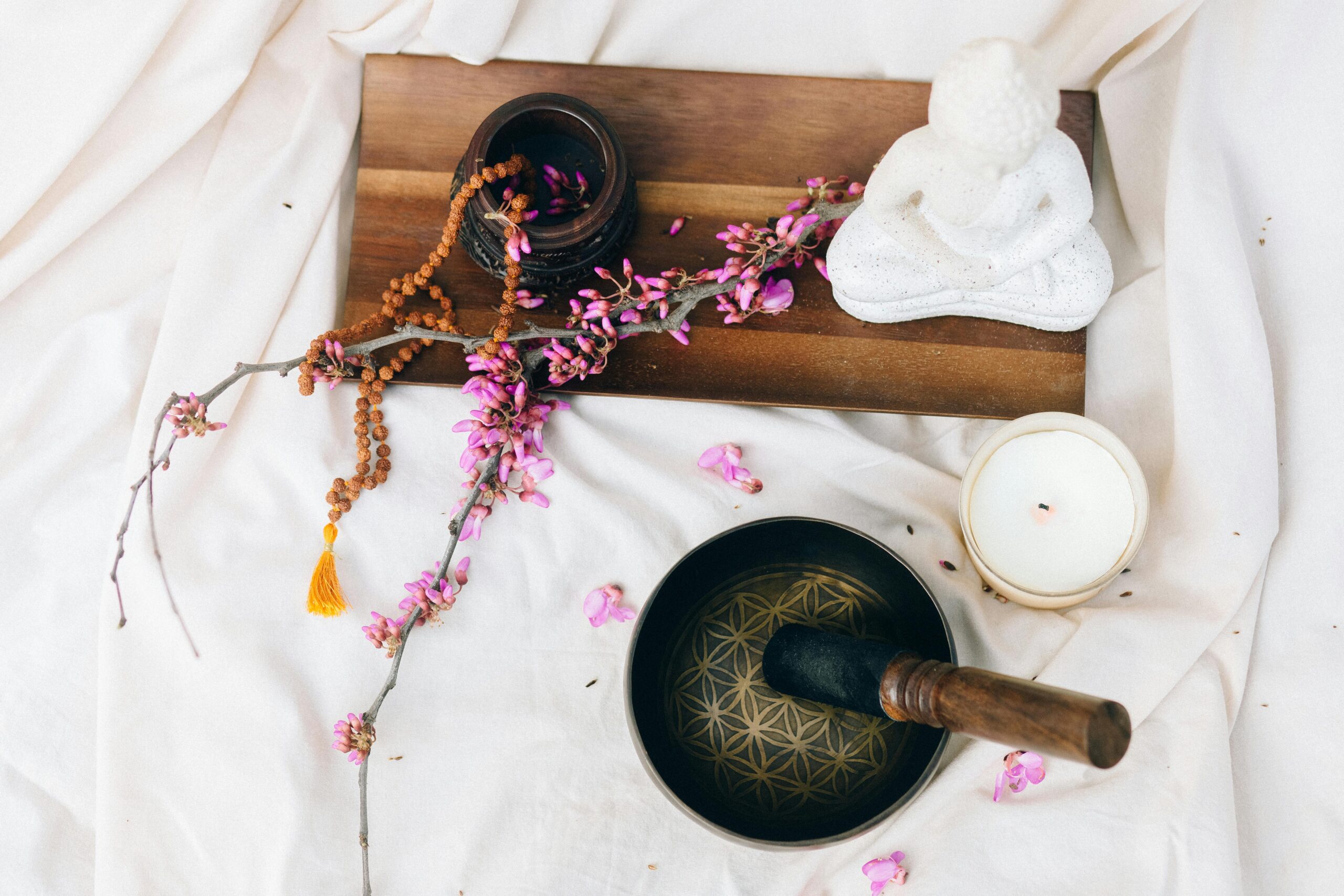
Honoring Rest as Productivity
Perhaps the biggest obstacle to embracing low-impact activities is our cultural bias toward constant productivity. Rest is not laziness—it’s the essential counterbalance to activity that allows for creativity, problem-solving, and sustained energy over time. Athletes understand that rest days are when muscles actually grow stronger; the same principle applies to mental and emotional resilience.
Reframe your relationship with downtime by recognizing that these calm, easygoing practices are actively contributing to your health, relationships, and long-term effectiveness. You’re not “doing nothing”—you’re recharging, processing, healing, and maintaining the foundation that supports everything else in your life.
Start small, choosing just one or two low-impact activities that appeal to you most. Practice them regularly, noticing how they affect your mood, sleep, and stress levels. Gradually expand your repertoire as you discover the profound impact that intentional rest can have on your overall quality of life. Your mind and body will thank you for creating these essential spaces of calm in the midst of life’s demands.