Staying properly hydrated isn’t just about drinking water—it’s about strategic timing, understanding your body’s needs, and aligning fluid intake with your daily activities.

Whether you’re an athlete pushing your limits, a busy professional juggling deadlines, or simply someone who wants to feel energized throughout the day, smart hydration planning can be your secret weapon. The relationship between what you do and what you drink is more nuanced than most people realize, and mastering this connection can dramatically improve your performance, focus, and overall well-being.
💧 Understanding Activity-Based Hydration: Beyond the 8-Glass Rule
The traditional advice of drinking eight glasses of water daily has been challenged by modern sports science and nutritional research. Your hydration needs aren’t static—they fluctuate based on numerous factors including physical activity intensity, environmental conditions, body composition, and even your stress levels.
Activity-based hydration recognizes that a person running a marathon requires vastly different fluid intake compared to someone working at a desk. This personalized approach considers your specific circumstances, making hydration recommendations far more accurate and effective than generic guidelines ever could be.
Research published in the Journal of Sports Sciences demonstrates that athletes who adopt individualized hydration strategies based on their sweat rates and activity levels perform significantly better than those following standard recommendations. The same principle applies to everyday activities—your body’s fluid requirements change throughout the day based on what you’re doing.
🏃 Calculating Your Personal Hydration Needs
Before you can optimize your hydration strategy, you need to understand your baseline requirements. Several factors influence how much fluid your body needs to function optimally.
Body Weight and Composition
A fundamental starting point is your body weight. The general recommendation is to consume approximately 30-35 milliliters of water per kilogram of body weight daily. For someone weighing 70 kilograms, this translates to roughly 2.1 to 2.45 liters per day under normal conditions.
However, muscle tissue contains more water than fat tissue, so individuals with higher muscle mass typically require more hydration. This is why athletes and physically active individuals often need substantially more fluids than sedentary populations.
Activity Intensity and Duration
The type and duration of physical activity dramatically impacts fluid loss. Low-intensity activities like walking might increase your needs by 200-300 milliliters per hour, while high-intensity training can lead to sweat losses exceeding 1-2 liters per hour in some individuals.
Endurance activities lasting longer than 60 minutes require not just water replacement but also electrolyte replenishment to maintain performance and prevent hyponatremia—a dangerous condition caused by excessive water intake without adequate sodium replacement.
Environmental Factors
Temperature, humidity, and altitude all affect your hydration requirements. Hot and humid conditions accelerate sweat production, while high-altitude environments increase respiratory water loss. Even indoor heating during winter months can create a surprisingly dehydrating environment.
⚡ Pre-Activity Hydration: Setting the Foundation
Proper hydration begins long before you start your workout, workday, or any significant activity. Pre-hydration strategies ensure your body starts with optimal fluid levels, giving you a performance advantage from the outset.
Begin hydrating approximately 2-4 hours before your planned activity. Aim to consume 5-7 milliliters of water per kilogram of body weight during this window. For a 70-kilogram person, this means drinking 350-490 milliliters (roughly 1.5-2 cups) of water.
Monitor your urine color as a simple hydration indicator. Pale yellow urine suggests adequate hydration, while dark yellow or amber indicates you need more fluids. First thing in the morning, slightly darker urine is normal, but it should lighten as you hydrate throughout the day.
Avoid consuming excessive amounts of water immediately before activity, as this can lead to discomfort, bloating, and frequent bathroom breaks. Spreading your fluid intake over several hours allows better absorption and prevents gastrointestinal distress.
🎯 During-Activity Hydration Strategies
Once you’re engaged in physical or mentally demanding activities, your hydration approach should match the intensity and duration of what you’re doing.
Activities Under 60 Minutes
For shorter activities, water alone is typically sufficient. Aim to drink approximately 150-250 milliliters every 15-20 minutes during moderate-intensity exercise. This prevents significant fluid deficit while avoiding overconsumption.
Listen to your body’s thirst signals, but don’t rely solely on thirst—by the time you feel thirsty, you may already be experiencing mild dehydration. Establishing a drinking schedule helps maintain consistent hydration levels.
Extended Activities Beyond 60 Minutes
Longer duration activities require a more sophisticated approach. Beyond water, you need to replace electrolytes—particularly sodium, potassium, and magnesium—lost through sweat.
Sports drinks containing 6-8% carbohydrates and electrolytes become valuable for activities exceeding one hour. The carbohydrates provide energy while the electrolytes support fluid retention and muscle function. Aim for 30-60 grams of carbohydrates per hour during extended activities.
For ultra-endurance events lasting several hours, consider alternating between water and electrolyte beverages to maintain proper sodium balance. Consuming only water during prolonged exercise can dilute blood sodium levels, leading to potentially dangerous complications.
Cognitive Work and Mental Performance
Hydration isn’t only important for physical activities. Research shows that even mild dehydration—as little as 1-2% fluid loss—can impair cognitive function, including concentration, alertness, and short-term memory.
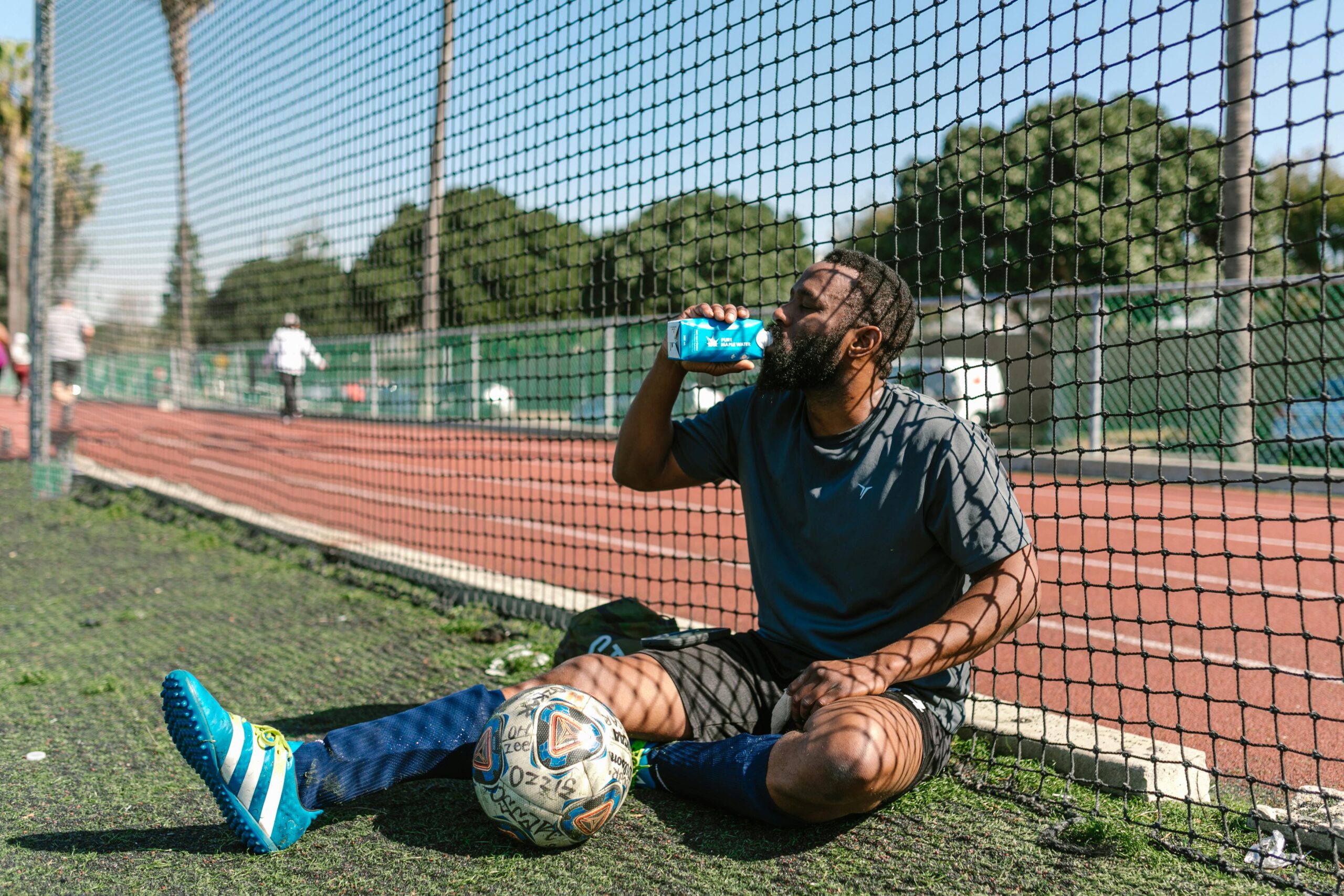
During intensive mental work like studying, problem-solving, or creative tasks, maintain consistent hydration by keeping water nearby and sipping regularly. A good rule is consuming 50-100 milliliters every 30 minutes during focused work sessions.
🔄 Post-Activity Recovery Hydration
The recovery phase is crucial for restoring fluid balance and supporting your body’s adaptation processes. Many people overlook post-activity hydration, yet this period significantly influences how quickly you recover and how you’ll perform next time.
Within two hours after completing your activity, aim to replace 150% of the fluid you lost. If you lost one kilogram of body weight during exercise, consume approximately 1.5 liters of fluid during recovery. This compensates for ongoing urinary losses and ensures complete rehydration.
Weighing yourself before and after activity provides the most accurate measure of fluid loss. Each kilogram lost primarily represents water loss that needs replacement.
Including sodium in your recovery beverages enhances fluid retention. Plain water alone may increase urine production before your body fully rehydrates. Beverages containing sodium—whether sports drinks, coconut water, or even milk—promote better fluid absorption and retention.
📱 Technology and Hydration Tracking
Modern technology offers powerful tools for monitoring and optimizing your hydration strategy. Smart water bottles, wearable devices, and specialized apps can transform hydration from guesswork into precision.
Hydration tracking applications help you set personalized goals based on your weight, activity level, and environmental conditions. They send reminders throughout the day, ensuring you maintain consistent fluid intake rather than trying to catch up with large volumes at once.
Wearable fitness trackers increasingly include hydration features that estimate fluid needs based on heart rate, activity intensity, and even ambient temperature. While not perfectly accurate, these estimates provide valuable guidance for adjusting your intake throughout the day.
Smart water bottles with built-in sensors track your consumption automatically, syncing data to your smartphone and providing real-time feedback on your hydration status. Some models even glow or vibrate when it’s time to drink, making consistent hydration effortless.
🥤 Choosing the Right Fluids for Different Activities
Not all beverages hydrate equally, and understanding which fluids work best for specific situations can enhance your performance and recovery.
Water: The Foundation
Plain water remains the gold standard for most hydration needs. It’s calorie-free, readily available, and perfectly adequate for activities under 60 minutes and daily baseline hydration. Choose water for low to moderate intensity activities and throughout your normal day.
Sports Drinks: Strategic Energy
Isotonic sports drinks containing carbohydrates and electrolytes serve specific purposes during prolonged or intense activities. They’re most beneficial for endurance training, competitive events, or any activity exceeding 90 minutes where both energy and fluid replacement matter.
Coconut Water: Natural Electrolytes
Coconut water offers a natural alternative to commercial sports drinks, providing potassium and other electrolytes. It contains less sodium than traditional sports drinks, making it better suited for recovery rather than during-activity consumption for intense exercise.
Milk: Recovery Powerhouse
Research suggests that milk—particularly chocolate milk—is remarkably effective for post-exercise recovery. Its combination of protein, carbohydrates, electrolytes, and fluid makes it ideal for replenishing energy stores and supporting muscle recovery after demanding workouts.
Caffeinated Beverages: Hydration with Caveats
Coffee and tea contribute to daily fluid intake despite their mild diuretic effect. For regular caffeine consumers, these beverages hydrate nearly as effectively as water. However, avoid relying solely on caffeinated drinks, as excessive caffeine can affect sleep quality and increase heart rate during activity.
🌡️ Adapting to Environmental Challenges
Your hydration strategy must adapt to environmental conditions that accelerate fluid loss or change how your body processes fluids.
Hot Weather Hydration
High temperatures dramatically increase sweat production. In hot conditions, increase your baseline fluid intake by 20-30% and pay extra attention to electrolyte replacement. Start activities well-hydrated and drink more frequently—every 10-15 minutes rather than every 20 minutes.
Acclimatization matters too. If you’re traveling to a hot climate or it’s the first hot day of summer, your body needs several days to adapt its sweating response and fluid conservation mechanisms. During this adaptation period, be especially vigilant about hydration.
Cold Weather Considerations
Cold environments present hidden hydration challenges. You may sweat less noticeably, but respiratory water loss increases dramatically when breathing cold, dry air. Winter athletes often underestimate their fluid needs because they don’t feel as thirsty.
Additionally, cold temperatures can suppress thirst sensation, leading to voluntary dehydration. Maintain a drinking schedule in cold weather rather than relying on thirst cues alone.
High Altitude Adjustments
Altitude increases both respiratory rate and water loss through breathing. At elevations above 2,500 meters, increase fluid intake by approximately 1-1.5 liters per day compared to sea level needs. Monitor urine color closely as altitude can also mask typical hydration indicators.
🍽️ Hydrating Foods: Beyond Beverages
Approximately 20% of daily fluid intake typically comes from food. Strategic food choices can significantly contribute to your overall hydration status while providing valuable nutrients.
Water-rich fruits and vegetables offer excellent hydration support. Watermelon, cucumbers, strawberries, lettuce, celery, and oranges contain 85-95% water by weight. Including these foods in meals and snacks adds to your fluid intake while providing vitamins, minerals, and fiber.
Soups, broths, and smoothies deliver substantial fluid while offering nutritional variety. A bowl of soup can contribute 250-300 milliliters to your daily intake while providing warmth, comfort, and nutrients.
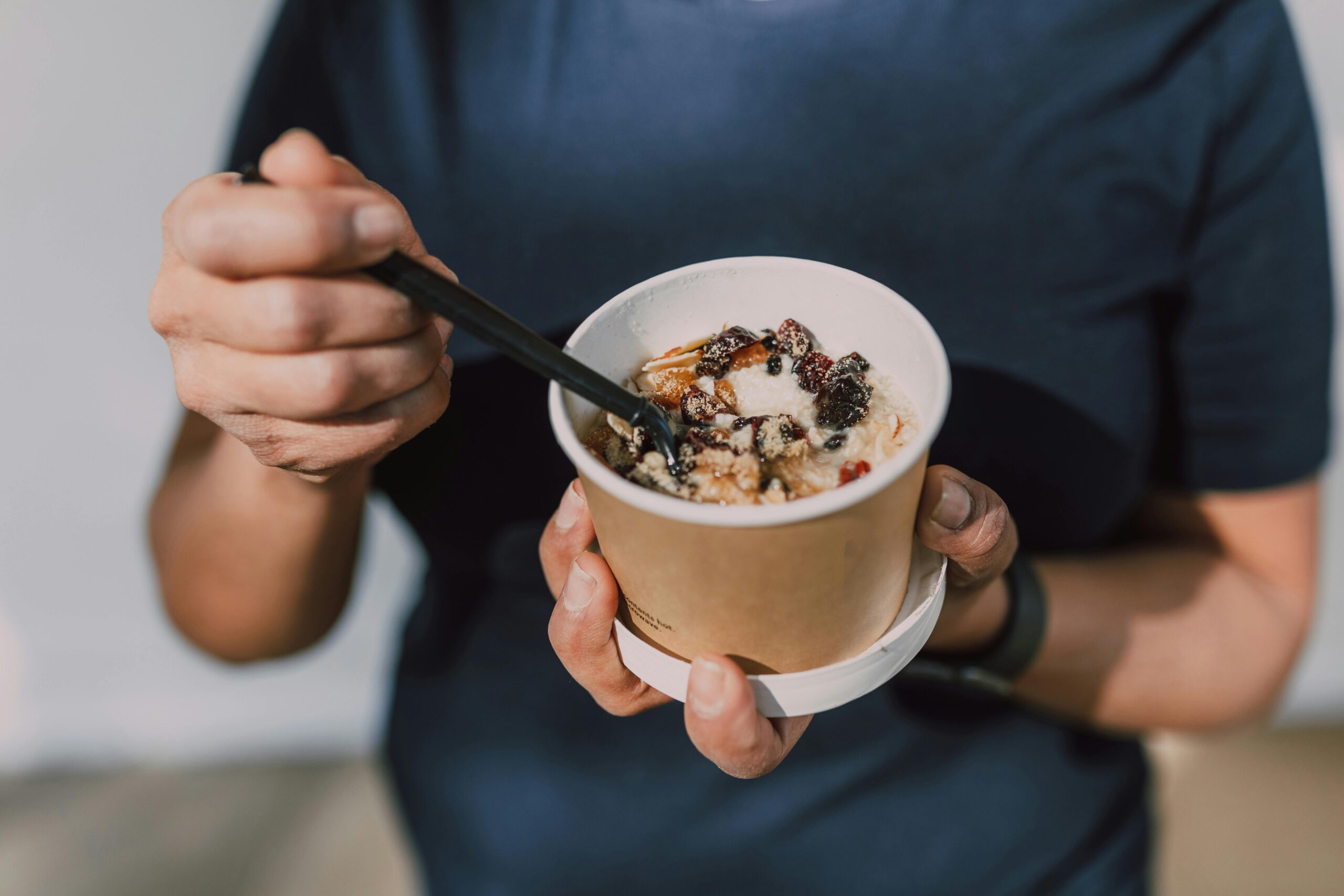
Even cooked grains and pasta absorb water during preparation, delivering fluid along with complex carbohydrates. A serving of cooked oatmeal or rice contains considerable water that counts toward your hydration goals.
⚠️ Recognizing Dehydration and Overhydration
Understanding the signs of both insufficient and excessive hydration helps you adjust your strategy before problems become serious.
Dehydration Warning Signs
Early dehydration symptoms include increased thirst, dry mouth, reduced urine output, darker urine color, fatigue, and decreased performance. As dehydration progresses, you might experience dizziness, rapid heartbeat, confusion, and lack of sweating despite heat or exertion.
Performance typically declines once fluid loss exceeds 2% of body weight. For a 70-kilogram person, this means losing just 1.4 kilograms—easily achievable during intense exercise in warm conditions within an hour.
Overhydration Risks
While less common, overhydration poses serious health risks, particularly during ultra-endurance events. Hyponatremia occurs when excessive water intake dilutes blood sodium to dangerously low levels, causing nausea, headache, confusion, seizures, and in severe cases, life-threatening complications.
Avoid drinking more than 800-1000 milliliters per hour during exercise, and ensure electrolyte intake accompanies high fluid consumption during prolonged activities. Don’t force fluids beyond what thirst and your hydration plan suggest.
🎓 Creating Your Personalized Hydration Plan
Armed with knowledge about activity-based hydration, you can now create a customized plan that optimizes your performance and energy levels.
Start by calculating your baseline fluid needs using your body weight. Track your typical activity patterns throughout the week—exercise sessions, work intensity, environmental conditions—and adjust fluid intake accordingly.
Experiment with timing strategies to find what works best for your body. Some people prefer frequent small sips, while others do better with scheduled larger drinks. Pay attention to how different approaches affect your energy, focus, and performance.
Monitor indicators like urine color, morning weight, energy levels, and performance metrics. Adjust your plan based on these feedback signals rather than rigidly following any single formula.
Remember that hydration planning isn’t about perfection—it’s about awareness and continuous improvement. Small adjustments in when, what, and how much you drink can yield significant benefits over time.
🌟 Making Smart Hydration Sustainable
The most effective hydration strategy is one you can maintain consistently. Build habits that integrate seamlessly into your lifestyle rather than adding complexity and stress.
Keep water accessible everywhere—at your desk, in your car, by your bed, in your gym bag. When water is convenient, you’re far more likely to drink adequate amounts. Invest in a reusable water bottle you enjoy using, making hydration both practical and environmentally friendly.
Link drinking water to existing habits through habit stacking. Drink water when you wake up, before each meal, after using the bathroom, or during work breaks. These behavioral triggers create automatic hydration routines.
Make it interesting by infusing water with fresh fruits, herbs, or cucumber for variety without added sugars or calories. This simple strategy helps people who struggle with plain water consume more fluids throughout the day.
Finally, remember that optimal hydration is a journey, not a destination. Your needs evolve with seasons, fitness levels, age, and lifestyle changes. Stay curious, keep learning about your body’s signals, and adjust your approach as needed. The energy, performance, and vitality gains from smart activity-based hydration planning make the effort worthwhile, transforming something as simple as drinking water into a powerful tool for enhancing every aspect of your daily life.