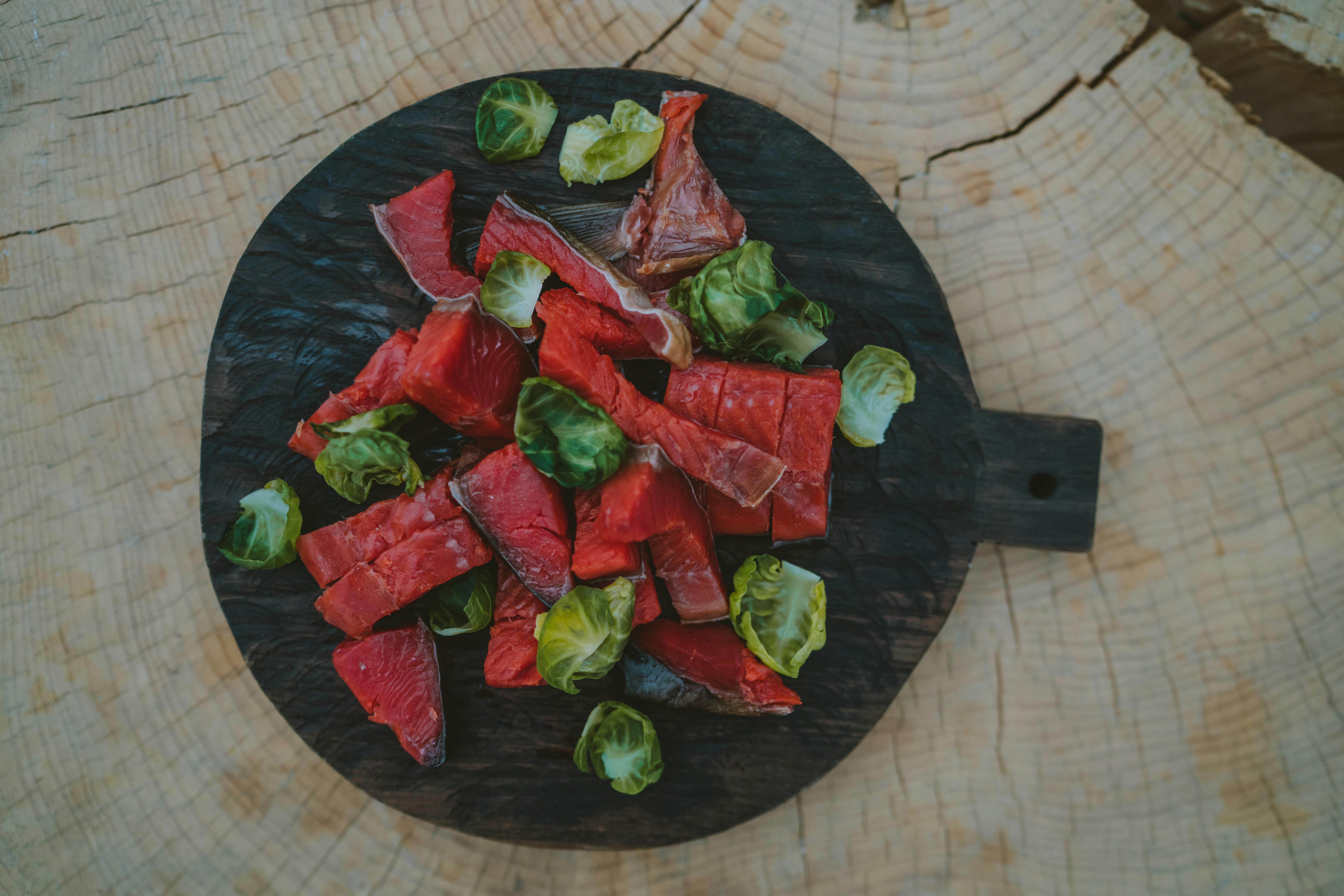
Seasonal shifts bring more than weather changes—they trigger powerful appetite fluctuations that can derail even the most disciplined eating habits. Understanding these natural cycles is your first step toward lasting nutritional success.

Our bodies respond to environmental cues in ways we’re only beginning to fully understand. Temperature drops, daylight hours, and even social calendars influence our hunger signals and food preferences throughout the year. The good news? You can work with these changes rather than fighting against them, creating a sustainable approach to eating that honors both your body’s needs and your health goals.
🌡️ Why Your Appetite Changes With the Seasons
Your body isn’t randomly craving heavier foods in winter or lighter fare in summer—there’s genuine biological reasoning behind these patterns. Our ancestors’ survival depended on adapting eating behaviors to seasonal food availability, and those instincts remain encoded in our physiology today.
Reduced sunlight exposure during fall and winter affects serotonin production, the neurotransmitter that regulates mood and appetite. Lower serotonin levels often trigger cravings for carbohydrate-rich comfort foods that temporarily boost these feel-good chemicals. Meanwhile, shorter days disrupt circadian rhythms that govern hunger hormones like leptin and ghrelin.
Temperature changes also play a significant role. Cold weather activates thermogenesis—your body’s heat production system—which requires additional calories. This metabolic adjustment sends stronger hunger signals, particularly for calorie-dense foods that provide sustained energy and warmth.
Decoding Winter Food Cravings and Energy Dips
Winter presents unique challenges for appetite management. The combination of holiday celebrations, reduced physical activity, and biological drives toward heavier foods creates perfect conditions for unwanted weight gain and energy crashes.
During colder months, your body naturally gravitates toward starchy, fatty foods—think pasta, baked goods, cheese, and rich sauces. These foods provide quick energy and activate reward centers in the brain, creating temporary comfort during darker, colder days. However, overindulging in these preferences without balance leads to blood sugar rollercoasters and sluggishness.
Strategic Winter Eating Approaches
Rather than fighting winter cravings entirely, work with them intelligently. Choose warm, satisfying foods that align with both your body’s seasonal needs and your health objectives.
- Opt for nutrient-dense comfort foods like vegetable-based soups, stews with lean proteins, and whole grain casseroles
- Incorporate warming spices such as cinnamon, ginger, turmeric, and cayenne that boost metabolism and add flavor without excess calories
- Include root vegetables like sweet potatoes, carrots, and parsnips that provide natural sweetness and sustained energy
- Maintain adequate vitamin D levels through supplementation or fortified foods to support mood regulation
- Practice portion awareness with heavier dishes—enjoy them in smaller quantities alongside lighter elements
Hydration often decreases in winter since we don’t feel as thirsty, yet proper fluid intake remains crucial for appetite regulation. Warm herbal teas, broth-based soups, and hot water with lemon can help maintain hydration while providing comfort.
🌸 Spring Renewal: Resetting Your Appetite Naturally
As daylight extends and temperatures rise, your body naturally shifts toward lighter eating patterns. Spring offers an ideal opportunity to recalibrate your relationship with food after winter’s heavier fare.
Increased sunlight boosts serotonin production naturally, reducing carbohydrate cravings and improving mood stability. This seasonal transition makes it easier to incorporate more fresh vegetables, fruits, and lighter proteins into your diet without feeling deprived.
Spring’s abundance of fresh produce—asparagus, peas, strawberries, leafy greens, and herbs—provides both nutritional variety and natural appetite satisfaction. These foods deliver high nutrient density with lower calorie loads, supporting weight management goals effortlessly.
Leveraging Spring Energy for Lasting Habits
Use spring’s natural momentum to establish eating patterns that will serve you throughout the year. This season’s psychological association with renewal makes it ideal for implementing sustainable changes.
Focus on rebuilding your palate’s sensitivity to natural flavors after months of richer foods. Reduce added sugars and heavy sauces gradually, allowing your taste receptors to appreciate subtler flavors in whole foods. This recalibration makes healthy choices more appealing long-term.
☀️ Summer Eating: Managing Heat-Related Appetite Shifts
Summer brings decreased appetite for many people as your body reduces thermogenesis needs. However, this season also presents challenges including social gatherings, vacation disruptions, and increased alcohol consumption that can undermine balanced eating.
Hot weather naturally suppresses hunger signals, but it’s essential to maintain adequate nutrition despite reduced appetite. Skipping meals or eating too lightly can lead to energy crashes, poor concentration, and eventual overeating when you finally do eat.
Summer’s bounty of fresh fruits offers wonderful nutrition but can also contribute to excessive sugar intake if you’re not mindful. While whole fruits contain beneficial fiber and nutrients, overconsumption still affects blood sugar and appetite regulation.
Summer Balance Strategies
Create satisfying summer meals that honor your reduced appetite while providing complete nutrition. Focus on hydrating foods with high water content that feel light but deliver adequate calories and nutrients.
- Build meals around cold protein sources like grilled chicken, fish, legumes, and Greek yogurt
- Create colorful salads with diverse textures and flavors to stimulate appetite naturally
- Prepare smoothies with protein powder, healthy fats, and greens for convenient, cooling nutrition
- Snack on cucumber, melon, berries, and other hydrating produce between smaller meals
- Time outdoor activities and meals strategically to avoid eating during peak heat hours
Monitor alcohol consumption carefully during summer socializing. Alcoholic beverages not only add empty calories but also impair judgment around food choices and stimulate appetite for less healthy options.
🍂 Fall Transition: Preventing Appetite Escalation
Autumn marks the beginning of appetite increases as daylight diminishes and temperatures cool. This transitional season is critical for establishing boundaries that prevent gradual overeating as winter approaches.
Fall’s comfort food culture—pumpkin spice everything, hearty tailgate fare, and holiday preview treats—can trigger premature shifts toward heavier eating patterns before your body truly needs increased calories.
Psychological factors intensify during fall as summer’s carefree attitude gives way to busier schedules, back-to-school stress, and anticipation of upcoming holidays. These mental shifts often manifest as emotional eating and reduced attention to nutritional choices.
Mindful Fall Eating Practices
Navigate fall’s appetite changes with awareness and intention. Gradually transition your eating patterns rather than making abrupt shifts that shock your system or trigger restriction-binge cycles.
Incorporate fall’s seasonal produce—squash, apples, pears, Brussels sprouts, cauliflower—in balanced preparations that satisfy emerging comfort food cravings without excess calories. Roasting vegetables brings out natural sweetness and creates satisfying textures without heavy sauces.
Establish consistent meal timing as schedules become more structured. Regular eating patterns support stable blood sugar and prevent the extreme hunger that leads to poor food choices and overeating.
Building Your Year-Round Appetite Management Toolkit
Successful appetite mastery requires strategies that work regardless of season. These foundational practices create stability amid changing environmental and biological factors.
Protein Priority Throughout All Seasons
Adequate protein intake remains crucial year-round for appetite regulation. Protein increases satiety hormones, reduces hunger hormones, and supports stable blood sugar—all essential for managing cravings effectively.
Aim for protein at every meal, adjusting sources seasonally. Winter might feature more slow-cooked meats and bean stews, while summer brings grilled fish and cold chicken salads. The form changes, but the priority remains constant.
Sleep Quality and Appetite Connection
Poor sleep disrupts leptin and ghrelin production, creating artificial hunger signals and reducing satiety responses. Seasonal sleep disruptions—from summer’s late sunsets to winter’s early darkness—require proactive management.
Maintain consistent sleep schedules despite seasonal variations. Use blackout curtains in summer, light therapy lamps in winter, and establish relaxing bedtime routines that support quality rest regardless of external conditions.
Stress Management for Craving Control
Chronic stress elevates cortisol, which increases appetite particularly for sugary and fatty foods. Seasonal stressors vary—summer travel logistics, back-to-school chaos, holiday pressures, winter isolation—but the physiological response remains similar.
Develop a diverse stress management toolkit including exercise, meditation, nature exposure, creative outlets, and social connection. Having multiple strategies ensures you can adapt to different seasonal circumstances and stressors.
🍽️ Practical Meal Planning Across Seasons
Effective meal planning adapts to seasonal realities while maintaining nutritional consistency. This approach reduces decision fatigue and creates structure that supports balanced eating regardless of external circumstances.
Design a flexible meal planning framework that accommodates seasonal produce availability, schedule variations, and appetite fluctuations. Rather than rigid meal plans, create templates with interchangeable components based on season and preference.
| Season | Protein Focus | Vegetable Stars | Preparation Style |
|---|---|---|---|
| Winter | Slow-cooked meats, legumes | Root vegetables, squash, kale | Soups, stews, roasting |
| Spring | Lighter meats, fish, eggs | Asparagus, peas, leafy greens | Steaming, light sautéing |
| Summer | Grilled proteins, cold preparations | Tomatoes, peppers, zucchini | Grilling, fresh salads |
| Fall | Roasted meats, beans | Squash, Brussels sprouts, apples | Roasting, baking |
Batch cooking becomes especially valuable during busy seasons or when weather makes frequent shopping inconvenient. Prepare versatile components—proteins, grains, roasted vegetables—that combine into various meals throughout the week.
Technology Tools for Appetite Awareness
Digital tools can support appetite management by increasing awareness and providing accountability. Food tracking apps help identify patterns between seasons, activities, and eating behaviors.
Consider using nutrition tracking applications that allow you to monitor not just calories but also hunger levels, energy, mood, and sleep quality. This holistic data reveals connections between lifestyle factors and appetite that might otherwise go unnoticed.
Habit-tracking apps help maintain consistency with appetite-supporting behaviors like hydration, meal timing, and stress management practices. Visual progress tracking provides motivation during challenging seasonal transitions.
Social and Environmental Appetite Triggers
Seasonal eating challenges often stem from social and environmental factors rather than true physiological needs. Holiday gatherings, vacation traditions, and cultural food associations create powerful eating cues that override natural hunger signals.
Develop strategies for navigating social eating situations while honoring both your health goals and important relationships. This balance is essential for sustainable, year-round success.
Setting Boundaries Without Isolation
You don’t need to avoid social gatherings to maintain balanced eating. Instead, establish personal guidelines that allow participation while preventing overconsumption.
Eat a small, protein-rich snack before attending events where you’ll face abundant food choices. This simple strategy reduces extreme hunger that leads to impulsive overeating while leaving room to enjoy special foods in moderation.
Practice the “one plate” rule at buffets and parties—select your desired foods once, eat slowly and mindfully, then focus on socializing rather than returning for seconds. This approach lets you enjoy variety without unconscious overconsumption.
Recognizing True Hunger Versus Seasonal Cravings
Distinguishing genuine physical hunger from seasonal cravings, emotional eating, and environmental cues is fundamental to appetite mastery. This skill develops through consistent practice and honest self-assessment.
True physical hunger builds gradually, occurs several hours after eating, and is satisfied by various foods. Seasonal cravings tend to be sudden, specific to particular foods, and often triggered by external cues like temperature changes or seeing holiday advertisements.
Before eating, pause and assess: Am I physically hungry, or am I responding to the season, my emotions, or my environment? This brief reflection creates space between impulse and action, allowing more intentional choices.
🎯 Creating Your Personalized Seasonal Eating Plan
While general principles apply broadly, effective appetite management ultimately requires personalization. Your unique biology, lifestyle, preferences, and challenges demand an individualized approach.
Track your patterns across seasons for one full year. Note when cravings intensify, energy dips occur, and motivation fluctuates. This personal data reveals your specific vulnerabilities and optimal intervention points.
Experiment with different strategies during each season, keeping what works and discarding what doesn’t. Your perfect approach might combine elements from various eating philosophies and lifestyle practices, customized to your circumstances.
Building Flexibility Into Your Framework
Rigid eating rules typically fail because life—and seasons—are inherently variable. Instead of strict restrictions, create flexible guidelines that adapt to changing circumstances while maintaining core principles.
Adopt an 80/20 approach where 80% of your choices align with your health goals, leaving 20% for flexibility, enjoyment, and seasonal celebrations. This balance prevents the deprivation-binge cycle that undermines long-term success.
Remember that perfection isn’t the goal—consistency is. Missing your ideal eating pattern for a day, week, or even a full season doesn’t negate your overall progress. What matters is returning to supportive habits when you’re ready, without judgment or punishment.

Sustaining Motivation Through Seasonal Challenges
Maintaining balanced eating year-round requires sustained motivation despite varying environmental and social challenges. Build motivation systems that work across seasons rather than relying on willpower alone.
Connect your eating choices to values beyond appearance or weight. Health, energy, mental clarity, disease prevention, and longevity provide more enduring motivation than aesthetic goals, especially during challenging seasons.
Celebrate non-scale victories like consistent energy, improved sleep, better mood stability, and reduced cravings. These markers often improve before visible physical changes occur and provide encouragement to maintain your practices.
Find community support through online groups, local meet-ups, or accountability partners who understand seasonal eating challenges. Shared experiences normalize struggles and provide practical solutions from people navigating similar circumstances.
Mastering your cravings across seasons isn’t about deprivation or perfect execution—it’s about understanding your body’s natural rhythms and working collaboratively with them. By implementing smart strategies that honor both biological needs and health goals, you create a sustainable approach to balanced eating that adapts seamlessly throughout the year. Start with small adjustments during the current season, build on your successes, and watch as year-round nutritional balance becomes your new normal.