Every walk with your dog should be an adventure filled with joy, learning, and bonding. The secret to transforming ordinary outings into extraordinary experiences lies in the strategic use of treats that motivate, reward, and reinforce positive behavior.

Whether you’re dealing with a puppy learning basic commands or an adult dog perfecting their leash manners, the right treats can make all the difference. Understanding how to effectively use food rewards during walks creates a foundation for well-behaved, happy companions who look forward to every step alongside you.
🐾 The Psychology Behind Treat-Based Training on Walks
Dogs are naturally motivated by food, making treats one of the most powerful tools in your training arsenal. When used correctly during walks and outings, treats create positive associations with desired behaviors, helping your furry friend understand exactly what you expect from them.
The timing of treat delivery is crucial. Research shows that dogs learn best when rewards come within 1-2 seconds of the desired behavior. This immediate reinforcement creates a clear connection in your dog’s mind between their action and the positive consequence, accelerating the learning process significantly.
Variable reinforcement schedules also play an important role. Once your dog has mastered a behavior, occasionally rewarding rather than consistently treating actually strengthens the behavior more effectively. This unpredictability keeps your dog engaged and attentive throughout the entire walk, never quite knowing when the next delicious reward might appear.
Choosing the Perfect Walking Treats 🦴
Not all treats are created equal when it comes to outdoor adventures. The ideal walking treat should be small, highly palatable, and easy to carry without creating a mess in your pocket or treat pouch.
Characteristics of Effective Training Treats
Soft, bite-sized pieces work best because your dog can consume them quickly without interrupting the flow of your walk. Hard biscuits require more chewing time and can cause training momentum to stall while your dog processes each reward.
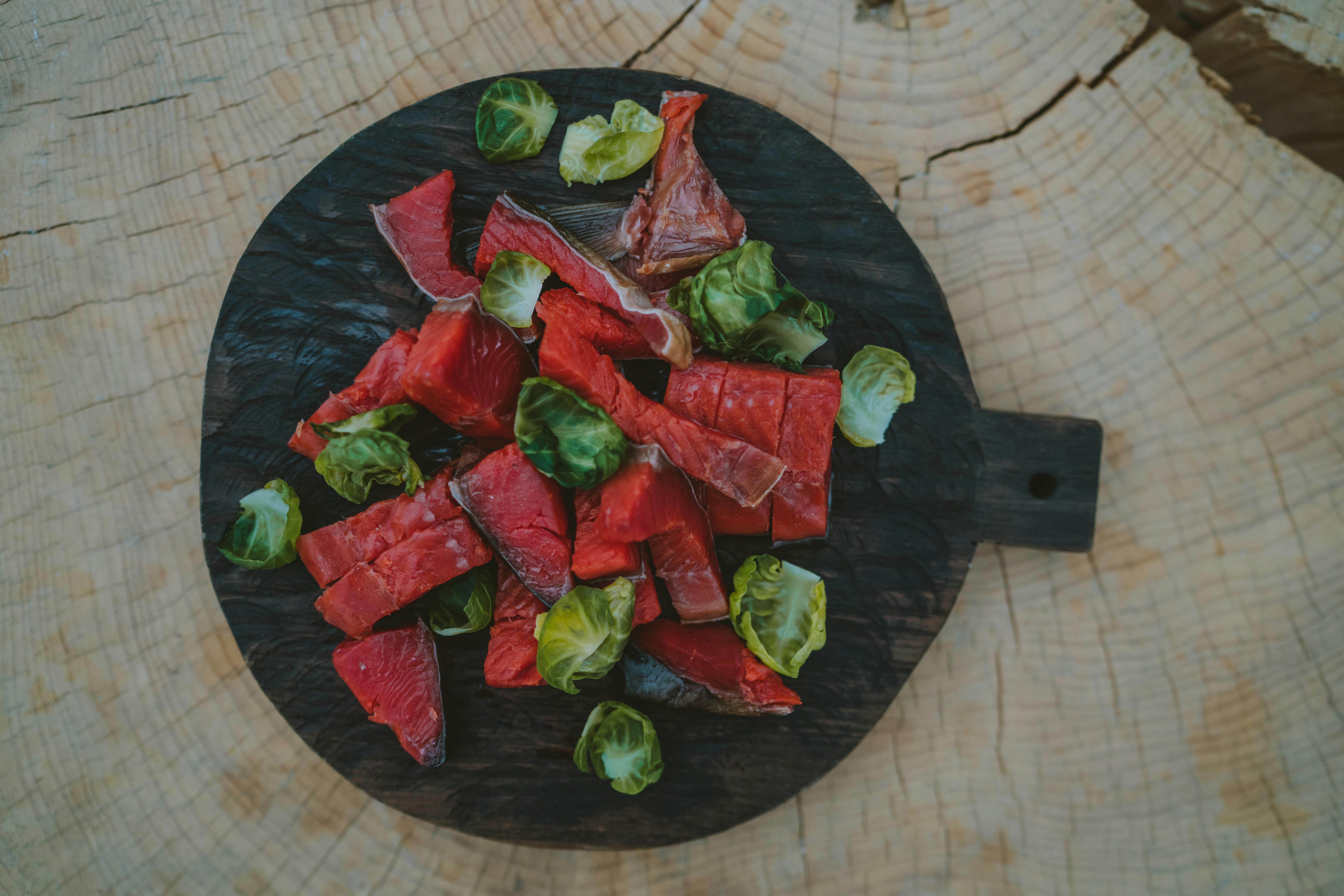
The aroma intensity matters significantly. Smelly treats capture your dog’s attention more effectively, especially in distracting outdoor environments filled with competing scents. Strong-smelling options like liver, cheese, or fish-based treats often outperform milder alternatives when you need maximum focus.
Consider the calorie content carefully. Since you’ll likely distribute multiple treats during each outing, low-calorie options prevent unwanted weight gain. Many trainers recommend using a portion of your dog’s regular meal as training treats, ensuring you’re not adding excessive calories to their daily intake.
Homemade vs. Commercial Options
Commercial treats offer convenience and consistent quality, with many brands specifically designed for training purposes. Look for products with simple, recognizable ingredients and avoid those containing artificial colors, flavors, or unnecessary fillers.
Homemade treats provide complete control over ingredients and can be more economical for households with multiple dogs. Simple recipes using chicken, sweet potato, or peanut butter can be prepared in bulk and frozen in portion-sized containers for easy grab-and-go access.
Strategic Treat Placement During Different Walking Scenarios 🚶♀️
Understanding when and where to reward your dog transforms treats from simple snacks into powerful behavior-shaping tools. Different situations call for different reward strategies to maximize effectiveness.
Loose Leash Walking Reinforcement
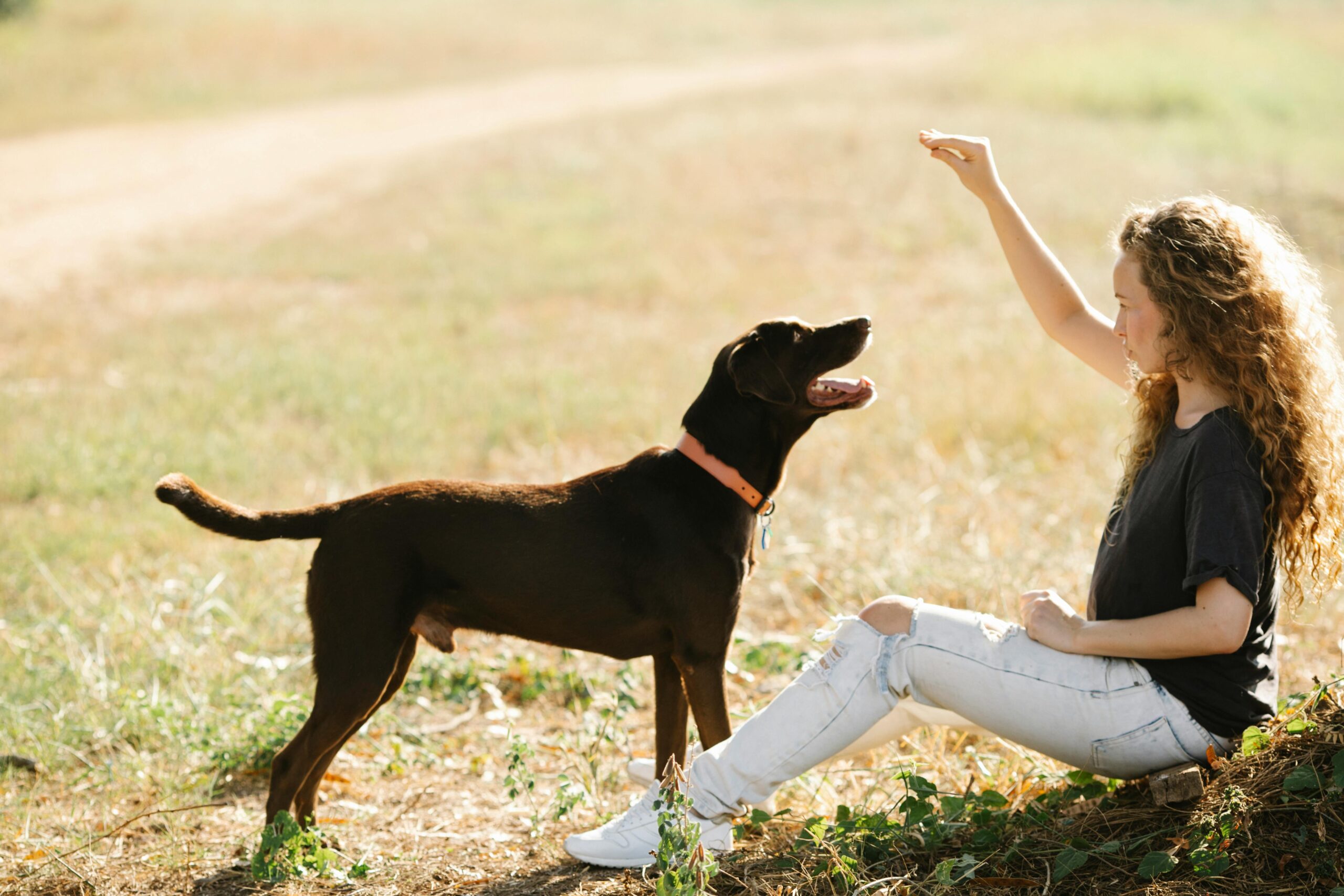
Pulling on the leash ranks among the most common walking frustrations. Combat this by rewarding your dog frequently when the leash remains slack. Initially, you might treat every few steps, gradually increasing the distance between rewards as your dog improves.
Position yourself to deliver treats at your side, encouraging your dog to maintain the proper heel position. Avoid reaching down too far or allowing your dog to jump up for treats, as these actions can inadvertently reinforce unwanted behaviors.
Managing Distractions and Reactivity
When encountering potential triggers like other dogs, squirrels, or bicycles, use high-value treats to redirect your dog’s attention before they react. The key is anticipating distractions and creating positive associations through preemptive rewarding.
Practice the “Look at That” game, where you reward your dog for calmly noticing distractions without reacting. This technique gradually desensitizes reactive dogs and builds confidence in anxious animals, turning previously stressful encounters into opportunities for treats and praise.
Recall Training in Open Spaces
Off-leash areas present unique training opportunities. Use treats to reinforce reliable recalls, ensuring your dog always finds returning to you more rewarding than whatever else captures their interest. Carry especially exciting treats reserved exclusively for recall success to make coming back irresistible.
The Treat Pouch Revolution: Organizing for Success 👜
Accessibility determines effectiveness when it comes to training treats. Fumbling through pockets or bags destroys the crucial timing that makes treat-based training work. Invest in a quality treat pouch that clips to your belt or waistband for instant access.
Modern treat pouches feature magnetic or drawstring closures that open with one hand while preventing treats from spilling during active walks. Some models include additional compartments for waste bags, keys, and phones, creating an all-in-one solution for organized outings.
Keep your treat pouch clean and fresh by washing it regularly and avoiding moisture accumulation. Silicone liners or small containers within the pouch help maintain treat freshness and prevent oils from staining the fabric.
🎯 Age-Appropriate Treat Strategies
Puppies: Building Foundations
Young puppies require especially small, soft treats that match their tiny mouths and developing digestive systems. Frequent rewards help maintain short attention spans, with treats distributed every few seconds during initial training phases.
Focus on building positive associations with the outdoor environment. Reward your puppy for brave exploration, polite greetings with strangers, and remaining calm around new sights and sounds. These early experiences shape your dog’s lifelong attitude toward walks and adventures.
Adult Dogs: Refining Skills
Mature dogs benefit from more challenging treat-based exercises. Implement duration, distance, and distraction variations to strengthen existing behaviors. For example, gradually increase how long your dog must maintain heel position before earning a reward.
Adult dogs can also learn to work for lower-value treats in familiar, low-distraction environments, saving the premium rewards for challenging situations. This discrimination teaches your dog to respond reliably regardless of reward magnitude.
Senior Dogs: Adapting to Changing Needs
Older dogs may require softer treats that accommodate dental issues or decreased chewing ability. Adjust treat size and frequency based on reduced activity levels and changing dietary needs, always consulting with your veterinarian about appropriate options.
Continue mental stimulation through treat-based games during walks, even if physical exercise becomes limited. Gentle scent work and simple commands rewarded with treats keep senior minds sharp and engaged.
Creating Adventure-Specific Treat Protocols 🏞️
Urban Walking Challenges
City environments present constant distractions: traffic noise, crowds, other dogs, and tempting sidewalk food. Maintain a steady stream of treats during the first few outings in urban settings, helping your dog associate the bustling environment with positive experiences.
Practice “middle” or “between” positions where your dog walks between your legs in crowded areas. This position provides security for anxious dogs while preventing tangled leashes and unwanted interactions with passersby.
Nature Trail Explorations
Hiking and trail walking introduce natural distractions like wildlife scents and varied terrain. Use treats to reward check-ins where your dog voluntarily looks back at you, ensuring they remain connected even when interesting smells beckon.
Pack treats in waterproof containers or bags to protect them from moisture and prevent attracting wildlife. Secure storage also prevents your dog from accessing the entire treat supply if they manage to investigate your backpack.
Beach and Water Adventures
Waterside outings require waterproof treat storage and may benefit from frozen treats that provide both reward and cooling relief. Reward calm behavior near water before allowing your dog to swim or play, establishing that good things come from self-control.
📊 Balancing Treats with Health and Nutrition
While treats are invaluable training tools, they should comprise no more than 10% of your dog’s daily caloric intake. Calculate the number of treats you typically use during walks and adjust meal portions accordingly to maintain optimal weight.
| Dog Size | Daily Treat Calories | Approximate Treat Count |
|---|---|---|
| Small (under 20 lbs) | 20-40 calories | 20-40 small treats |
| Medium (20-50 lbs) | 40-100 calories | 40-100 small treats |
| Large (50-100 lbs) | 100-200 calories | 100-200 small treats |
| Giant (over 100 lbs) | 200-300 calories | 200-300 small treats |
Monitor your dog’s body condition regularly. You should be able to feel ribs easily without excess fat covering, and your dog should have a visible waist when viewed from above. Adjust treat quantities if you notice weight gain or loss.
Advanced Treat Techniques for Seasoned Walkers 🌟
Treat Scatter Games
Occasionally scatter several treats on the ground during walks, encouraging your dog to use their nose to find each piece. This natural foraging behavior provides mental stimulation while giving you a brief rest during long outings.
Treat and Release Protocol
Teach your dog that receiving a treat doesn’t always signal the end of an exercise. After rewarding, immediately give another cue to maintain engagement. This technique prevents anticipatory behaviors where dogs disengage after receiving their reward.
Environmental Rewards Integration
Eventually, incorporate environmental rewards alongside treats. Allow your dog to sniff an interesting spot, greet a friendly dog, or chase a toy as alternatives to food rewards. This variation prevents over-dependence on treats while maintaining motivation.
Troubleshooting Common Treat-Related Challenges 🔧
When Your Dog Isn’t Food Motivated
Some dogs show limited interest in treats, especially in exciting outdoor environments. Experiment with different treat types, textures, and flavors to find something irresistible. Feed meals from your hand during walks initially to build food motivation in outdoor contexts.
Ensure your dog is genuinely hungry during training walks by scheduling outings before mealtimes. Dogs who free-feed throughout the day often lack sufficient food motivation for effective treat-based training.
Preventing Resource Guarding
If multiple dogs walk together, distribute treats strategically to prevent competition or conflict. Reward dogs at a distance from each other initially, gradually decreasing space as they learn to receive treats calmly in proximity.
Managing Overstimulation
Occasionally, dogs become so focused on treats that they ignore everything else, including your cues. If your dog obsesses over the treat pouch, practice rewarding from various pockets and locations. Teach a “settle” or “enough” cue that signals when treat opportunities have temporarily ended.
Building a Sustainable Treat-Based Walking Routine ✨
Consistency transforms good walks into great habits. Establish a pre-walk routine that includes preparing treats, checking your pouch, and mentally rehearsing your training goals. This preparation ensures you’re ready to capitalize on every teaching moment.
Set specific, measurable goals for each walk. Perhaps you aim to maintain loose-leash walking for an entire block or successfully pass three other dogs without reacting. Clear objectives help you track progress and adjust your treat strategy accordingly.
Celebrate small victories with especially rewarding treats. When your dog achieves a breakthrough or demonstrates exceptional behavior, pull out that special treat you’ve been saving. These jackpot rewards create memorable positive experiences that accelerate learning.
The Long-Term Impact of Treat-Enhanced Adventures 💫
Investing time and effort into treat-based walking transforms your relationship with your dog. Beyond teaching specific behaviors, you build trust, communication, and a shared language that extends far beyond walks.
Dogs who associate outings with positive reinforcement develop into confident, socially comfortable animals. They learn that the world is a safe, rewarding place full of opportunities for success rather than a stressful environment requiring constant vigilance.
As your dog matures and behaviors become reliable, you’ll naturally reduce treat frequency without losing effectiveness. The foundation you build through consistent positive reinforcement creates lasting behavioral patterns that persist even when food rewards become occasional rather than constant.
Remember that every walk is an opportunity for growth, bonding, and joy. The treats in your pocket aren’t just food—they’re tools for communication, motivation, and celebration. By making every step count through strategic treat use, you create adventures that both you and your dog will treasure for years to come. The investment in quality treats and thoughtful reward strategies pays dividends in the form of a well-behaved, happy companion who makes every outing an absolute pleasure. Start today by filling your treat pouch, stepping outside, and discovering just how magical your walks can become when you transform each moment into a chance for positive reinforcement and shared success.