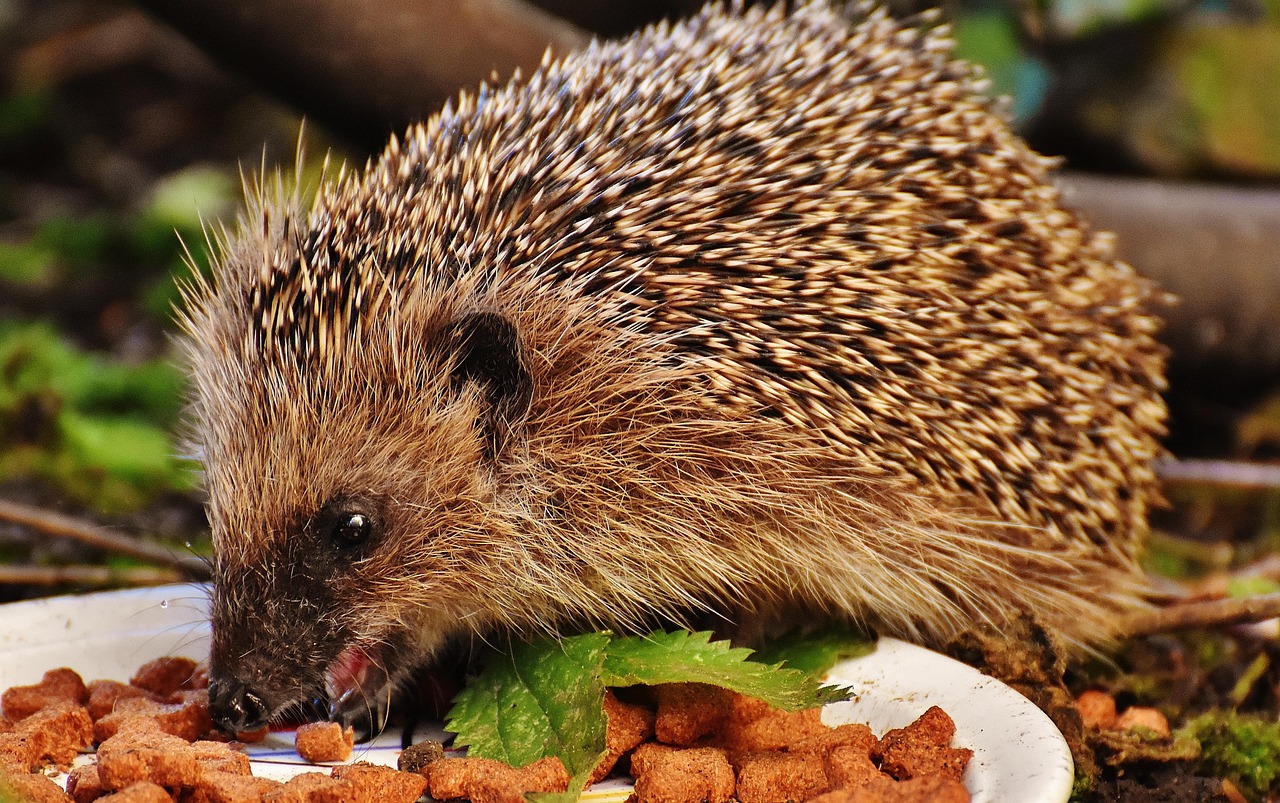
Treating your pet should be an art, not just a habit. When you master treat rotation, you transform mealtime from mundane to magnificent, keeping your furry friend engaged, healthy, and eager for more!

Every pet owner knows the joy of seeing their companion’s eyes light up at treat time. However, offering the same treats day after day can lead to boredom, nutritional imbalances, and even food sensitivities. The concept of treat rotation isn’t just about variety—it’s about creating a strategic approach to rewards that keeps your pet mentally stimulated while supporting their overall health and wellness.
🎯 Why Treat Rotation Matters More Than You Think
Think about eating the same meal every single day. Sounds unbearable, right? Our pets experience similar feelings when their treat selection never changes. Beyond the boredom factor, there are compelling health and behavioral reasons to embrace treat rotation as a fundamental part of your pet care routine.
Nutritional diversity is the cornerstone of good health. Different treats contain varying vitamins, minerals, proteins, and other nutrients. By rotating through different options, you ensure your pet receives a broader spectrum of beneficial compounds that support everything from coat health to immune function.
Food sensitivities and allergies can develop when pets are exposed to the same proteins and ingredients repeatedly over time. Rotation helps minimize this risk by preventing overexposure to any single ingredient, keeping your pet’s digestive system adaptable and resilient.
The Psychology Behind Variety
Pets are intelligent creatures who thrive on novelty and mental stimulation. When treats become predictable, they lose their motivational power. Rotating treats maintains their high-value status, making training sessions more effective and strengthening the bond between you and your companion.
The element of surprise activates your pet’s brain differently than predictable rewards. This cognitive engagement contributes to overall mental health and can help prevent behavioral issues that stem from boredom or understimulation.
🔄 Building Your Perfect Treat Rotation System
Creating an effective treat rotation system doesn’t require complicated spreadsheets or extensive planning. The key is establishing categories and cycles that work for your lifestyle while meeting your pet’s nutritional needs and preferences.
Start by categorizing treats into groups based on protein source, texture, size, and nutritional profile. This organizational approach ensures you’re truly rotating rather than just switching between similar options.
The Four-Week Rotation Framework
A four-week rotation provides enough variety to keep things interesting while remaining simple to track. Each week focuses on different treat characteristics, ensuring comprehensive variety throughout the month.
Week One: Protein Variety – Focus on different protein sources such as chicken, beef, fish, or novel proteins like venison or duck. This exposes your pet to diverse amino acid profiles and flavors.
Week Two: Texture Exploration – Alternate between crunchy, chewy, freeze-dried, and soft treats. Different textures provide varying levels of dental benefits and eating experiences.
Week Three: Size and Shape Mix – Vary treat sizes from training-sized morsels to longer-lasting chews. This keeps the reward experience fresh and serves different purposes throughout your day.
Week Four: Functional Treats – Incorporate treats with specific health benefits like dental chews, supplements in treat form, or calming treats for anxious moments.
🍖 Categories of Treats to Include in Your Rotation
Understanding different treat categories helps you make informed choices and maintain true variety in your rotation schedule. Each category serves unique purposes and offers distinct benefits.
Protein-Based Treats
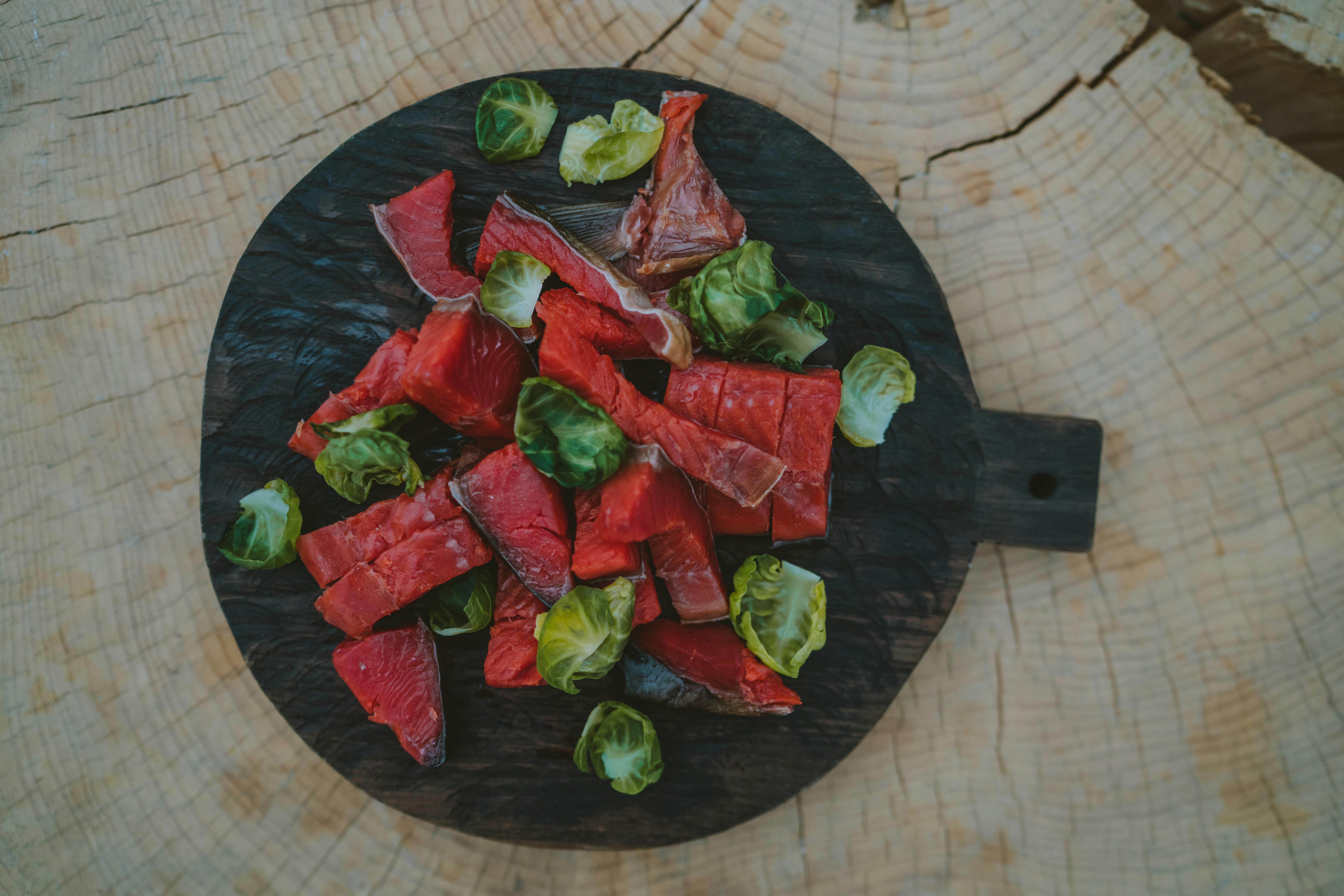
These treats feature meat, fish, or poultry as primary ingredients. Single-ingredient options like freeze-dried chicken breast or dehydrated fish skins provide pure protein with minimal processing. They’re excellent for pets with food sensitivities and offer high nutritional value.
Protein-based treats work wonderfully for training because most pets find them highly motivating. Their strong aroma captures attention quickly, making them ideal for teaching new commands or reinforcing positive behaviors.
Dental and Functional Chews
Dental chews serve the dual purpose of treating and maintaining oral health. Look for options approved by veterinary dental organizations that mechanically remove plaque and tartar while satisfying your pet’s natural chewing instinct.
Functional treats go beyond basic nutrition to address specific health concerns. Joint-support treats containing glucosamine, calming treats with chamomile or L-theanine, and probiotic treats supporting digestive health all deserve spots in your rotation.
Vegetable and Fruit Options
Don’t overlook natural treats from your kitchen! Many fruits and vegetables make excellent, low-calorie treat options. Carrots provide satisfying crunch and beta-carotene, while blueberries offer antioxidants in tiny, training-friendly packages.
These natural options add hydration and fiber to your pet’s diet while keeping calorie counts low—perfect for pets watching their weight or those who receive frequent training rewards throughout the day.
Specialty and Novel Treats
Occasional specialty treats keep rotation exciting. Limited-ingredient treats featuring unusual proteins like rabbit, kangaroo, or insect-based proteins expose your pet to new experiences while providing hypoallergenic options.
Homemade treats allow complete control over ingredients and freshness. Simple recipes using pet-safe ingredients let you customize treats to your companion’s specific preferences and dietary requirements.
📊 Creating Your Personalized Treat Schedule
The most effective rotation system is one you’ll actually follow. Your schedule should accommodate your lifestyle, budget, and your pet’s individual needs while maintaining the variety that makes rotation valuable.
Consider your pet’s activity level, training schedule, and any health conditions when designing your rotation. Active dogs in regular training need more frequent, smaller treats, while less active pets might receive fewer, more substantial reward moments.
Daily Rotation vs. Weekly Rotation
Daily rotation works well for pets in intensive training or those with very short attention spans. Offering different treats throughout the day maintains novelty and motivation during multiple training sessions.
Weekly rotation proves more practical for most households. Selecting one primary treat type per week simplifies shopping and storage while still providing adequate variety across the month.
Tracking Your Rotation
Simple tracking prevents inadvertent repetition and helps identify your pet’s favorites. A basic notebook, phone note, or calendar notation showing which treats you offered each week provides sufficient documentation.
Pay attention to your pet’s responses. Note which treats generate the most excitement, which support the best training results, and which might cause digestive sensitivity. This information refines your rotation over time.
⚖️ Balancing Treats with Complete Nutrition
Treats should enhance your pet’s diet, not compromise it. The general guideline suggests treats should comprise no more than 10% of your pet’s daily caloric intake, with their complete and balanced food providing the remaining 90%.
Calculate your pet’s daily calorie needs based on their ideal weight, not their current weight if they’re overweight. Factor treat calories into this total, reducing meal portions slightly on high-treat days to maintain healthy weight.
Reading Treat Labels Like a Pro
Understanding treat labels helps you make informed rotation choices. Look beyond marketing claims to examine actual ingredient lists and guaranteed analysis panels showing protein, fat, fiber, and moisture content.
The first five ingredients matter most, as they comprise the bulk of the product. Prioritize treats with recognizable, whole-food ingredients and minimal fillers, artificial colors, or preservatives that add no nutritional value.
Adjusting for Dietary Restrictions
Pets with allergies, sensitivities, or chronic health conditions require special consideration. Rotation remains possible and beneficial, but your options may be more limited. Focus on rotating within approved ingredient categories.
Work with your veterinarian to identify safe rotation options that won’t trigger adverse reactions. Many pets with restrictions can still enjoy considerable variety by exploring different preparations of approved proteins and limited-ingredient formulations.
🎓 Training Success Through Strategic Treat Rotation
Treat rotation becomes a powerful training tool when implemented strategically. Different training scenarios benefit from different treat types, and understanding these relationships maximizes your training effectiveness.
High-value treats should be reserved for challenging training situations, new command introduction, or environments with significant distractions. Medium-value treats work for routine training sessions, while lower-value options suffice for well-established behaviors.
The Variable Reward Principle
Psychology research shows that variable rewards create stronger behavioral patterns than predictable ones. Rotating treats naturally incorporates this principle, as your pet never knows exactly which reward they’ll receive for correct behavior.
This uncertainty maintains motivation better than consistent rewards. Your pet remains engaged and eager to perform because each successful attempt brings potential for their favorite treat.
Location-Based Rotation Strategy
Consider rotating treats based on training location. Reserve certain special treats exclusively for outdoor training sessions where distractions abound. Use different treats for indoor training, and keep another variety specifically for public places.
This location-specific approach helps your pet understand that good behavior pays off everywhere, while the varying rewards maintain engagement across different contexts.
💡 Creative Ways to Maximize Treat Variety
Beyond simply buying different commercial treats, creative approaches to treat rotation add even more variety and enrichment to your pet’s experience.
Food puzzles and enrichment toys transform treat time into engaging mental exercise. Stuffing toys with different treat combinations creates novel experiences even with familiar ingredients, while treat-dispensing puzzles add problem-solving challenges to reward time.
DIY Treat Rotation Ideas
Making homemade treats doesn’t require culinary expertise. Simple frozen treats combining plain yogurt with pet-safe fruits provide refreshing summer rewards. Dehydrating lean meats in your oven creates preservative-free jerky treats at fraction of commercial prices.
Freezing low-sodium broth in ice cube trays yields hydrating treats perfect for hot days. Mashing sweet potato and forming small training-sized pieces before baking creates nutritious, naturally sweet rewards your pet will love.
Meal Enhancement Rotation
Not all treats need to be separate from meals. Rotating toppers and mix-ins keeps regular mealtime exciting too. A spoonful of pumpkin puree one day, a few blueberries the next, or a drizzle of bone broth creates mealtime variety without significant calorie addition.
This approach works particularly well for pets who’ve become picky eaters or those recovering from illness who need appetite stimulation.
🛒 Smart Shopping for Treat Rotation Success
Building a diverse treat rotation requires some initial investment, but smart shopping strategies keep costs manageable while maintaining quality and variety.
Buy smaller quantities of multiple treat types rather than large bags of single varieties. This approach ensures freshness, prevents waste from treats going stale before consumption, and naturally supports rotation by providing built-in variety.
Budget-Friendly Rotation Strategies
Rotation doesn’t demand expensive specialty treats. Natural options like baby carrots, green beans, and apple slices cost pennies while providing genuine variety. Reserve premium commercial treats for special training situations where maximum motivation matters most.
Buying freeze-dried treats and rehydrating them yourself stretches your budget significantly. A small bag of freeze-dried liver becomes dozens of training rewards when broken into appropriate portions.
Storage Solutions for Multiple Treat Types
Proper storage maintains treat freshness and makes rotation practical. Airtight containers prevent staleness and protect against pests. Label containers with purchase dates to ensure you use treats while they’re still fresh and flavorful.
A dedicated treat storage system with multiple containers makes rotation effortless. You can see your full variety at a glance, making it easy to grab something different each day or week.
🌟 Signs Your Treat Rotation Strategy Is Working
How do you know your rotation efforts are paying off? Several positive indicators demonstrate that your approach is benefiting your pet.
Increased training enthusiasm is a primary sign. If your pet responds more eagerly to training cues and maintains focus longer during sessions, your rotation strategy is enhancing motivation effectively.
Improved coat quality, consistent energy levels, and healthy digestion all suggest your rotation is providing beneficial nutritional diversity. Pets receiving varied nutrients from different treat sources often display visible health improvements.
Behavioral contentment matters too. Pets experiencing appropriate mental stimulation through treat variety often display fewer destructive behaviors and seem more satisfied overall.
🚀 Taking Your Treat Rotation to the Next Level
Once you’ve mastered basic rotation, advanced strategies can further enhance the benefits your pet receives from this approach.
Seasonal rotation incorporates treats that align with the time of year. Frozen treats and hydrating options dominate summer rotation, while warming, higher-calorie treats suit winter months when pets may need extra energy.
Age-appropriate rotation adjusts treat types as your pet matures. Puppy teeth require softer options, adult pets can handle tougher chews, and senior pets may need to return to gentler textures as dental health changes.
Multi-Pet Household Rotation
Homes with multiple pets face unique rotation challenges. Different species, sizes, and dietary needs require separate rotation schedules, but the effort pays dividends in keeping all your companions happy and healthy.
Individual treat storage and separate treat times prevent resource guarding and ensure each pet receives appropriate options for their specific needs. This individualized approach strengthens your relationship with each animal.
🎉 Embracing the Journey of Treat Rotation Mastery
Mastering treat rotation transforms an everyday activity into an opportunity for deeper connection with your pet. The attention you pay to their preferences, the variety you provide, and the balance you maintain all communicate love and care in a language your companion truly understands.
Remember that rotation is flexible, not rigid. Your system should evolve with your pet’s changing needs, your growing understanding of their preferences, and the natural flow of your life together. The goal isn’t perfection—it’s providing thoughtful variety that keeps treat time special.
Start simple, pay attention to results, and adjust your approach based on what you observe. Your pet’s enthusiasm, health, and happiness will guide you toward the rotation strategy that works best for your unique situation.
The art of treat rotation combines nutrition science, behavioral psychology, and pure fun into one powerful package. When you keep mealtime exciting and balanced with endless variety, you’re not just offering treats—you’re enriching your pet’s entire life experience, one delicious reward at a time! 🐾