Training your pet can be one of the most rewarding experiences, but finding the right balance between session duration and treat rewards often determines success or frustration.

Whether you’re working with a playful puppy, a curious kitten, or even a stubborn senior dog, understanding how to structure your training sessions while managing treat rewards effectively will transform your approach to pet education. The science behind animal learning reveals fascinating insights about attention spans, motivation, and reinforcement timing that every pet owner should understand.
🐾 The Science Behind Effective Training Sessions
Animal behavior research consistently demonstrates that shorter, focused training sessions produce significantly better results than lengthy, exhausting ones. Your pet’s brain processes information most effectively during concentrated bursts of learning, typically ranging from five to fifteen minutes depending on the species, age, and individual temperament.
Dogs, for instance, maintain optimal focus for approximately ten to fifteen minutes during training exercises. Puppies and younger dogs have even shorter attention spans, often maxing out around five minutes before their minds begin to wander. Cats generally prefer sessions lasting five to ten minutes, while more exotic pets like birds or rabbits may vary considerably based on their natural behaviors and domestication levels.
The neurological explanation centers on cognitive load and mental fatigue. When animals learn new behaviors, their brains consume considerable energy processing novel information, forming neural pathways, and suppressing competing instincts. Extended sessions beyond their cognitive capacity lead to frustration, confusion, and potentially counterproductive associations with training itself.
Understanding Your Pet’s Attention Span Signals
Recognizing when your pet has reached their learning limit represents a crucial skill that separates successful trainers from those who struggle. Animals communicate their mental state through body language, behavioral changes, and engagement levels that attentive owners can learn to interpret accurately.
Watch for these telltale signs that indicate your training session should conclude:
- Frequent yawning or lip-licking, which indicates stress or overwhelm
- Looking away from you repeatedly or scanning the environment distractedly
- Decreased response speed to familiar commands they previously performed well
- Increased errors or confusion with behaviors they had just mastered
- Physical restlessness, excessive scratching, or attempts to leave the training area
- Lying down or sitting when not commanded, suggesting mental exhaustion
- Reduced enthusiasm for treats or previously motivating rewards
Learning to end sessions on a positive note before these signals appear creates associations between training and enjoyment rather than fatigue and frustration. Always conclude with a simple, well-known behavior your pet can execute successfully, ensuring they finish with confidence and accomplishment.
🎯 Treat Rewards: Quality Over Quantity
The strategic use of treat rewards represents perhaps the most misunderstood aspect of pet training. Many owners either dispense treats too generously, creating dependency and weight issues, or withhold them too strictly, diminishing motivation and slowing learning progress.
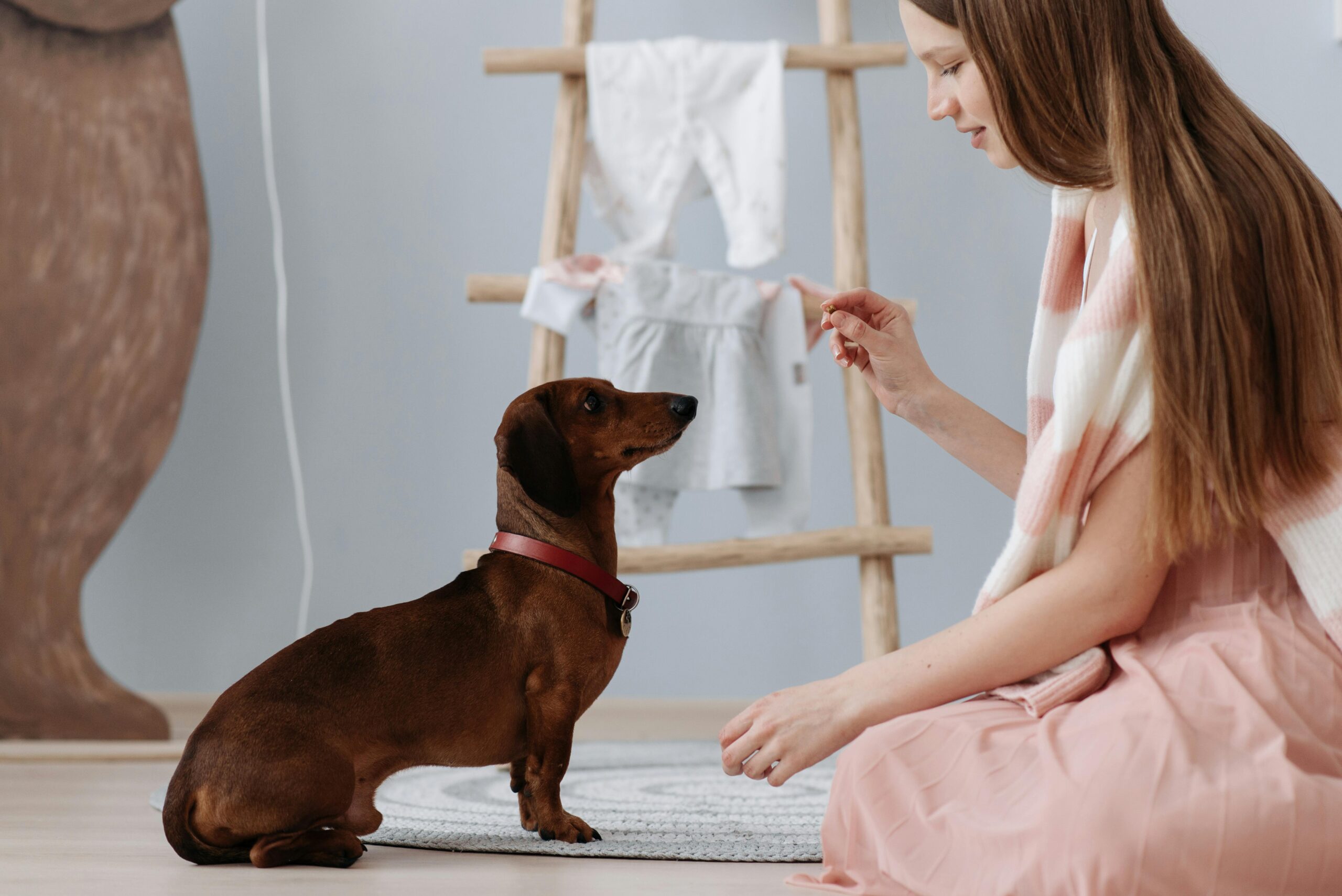
High-value treats should be small, soft, and immediately consumable without extensive chewing time. For dogs, treats approximately the size of a pea provide sufficient reward without interrupting training flow or contributing excessive calories. The composition matters tremendously—protein-rich options like small pieces of chicken, cheese, or specialized training treats work better than carbohydrate-heavy biscuits.
Cats often respond better to treats with strong aromas like freeze-dried fish or meat-based options. The texture should allow quick consumption since cats naturally prefer to savor food in private rather than during social interactions.
The Strategic Reward Schedule That Accelerates Learning
Behavioral psychology identifies several reinforcement schedules, each producing different learning outcomes and behavioral durability. Understanding these patterns allows you to structure rewards that maximize training effectiveness while gradually reducing treat dependency.
During initial learning phases, continuous reinforcement—rewarding every correct response—establishes clear associations between behavior and consequence. Your pet quickly understands which actions produce desirable outcomes, building foundational understanding rapidly.
Once your pet demonstrates consistent understanding, transitioning to variable ratio reinforcement creates more resilient, lasting behaviors. This schedule rewards correct responses unpredictably—sometimes after one repetition, sometimes after three or four. The uncertainty actually increases motivation, similar to how slot machines maintain engagement through unpredictable payouts.
Eventually, you’ll introduce intermittent reinforcement, gradually replacing treats with alternative rewards like verbal praise, physical affection, or access to favorite toys. This transition prevents treat dependency while maintaining behavioral reliability through diversified motivational systems.
⏰ Structuring the Ideal Training Schedule
Consistency and strategic timing dramatically impact training outcomes. Rather than occasional lengthy sessions, frequent short sessions distributed throughout the day produce superior results while fitting more naturally into busy schedules.
Consider implementing three to five brief training periods daily rather than one extended session. Morning sessions often prove most effective since pets typically have higher energy and focus after rest. Pre-meal training capitalizes on natural food motivation, though avoid training immediately after eating when your pet feels lethargic.
A sample daily training structure might include:
| Time | Duration | Focus Area | Treat Strategy |
|---|---|---|---|
| Morning (7:00 AM) | 10 minutes | New behavior introduction | High-value treats, continuous reinforcement |
| Mid-morning (10:00 AM) | 5 minutes | Previous session review | Variable reinforcement, alternating treats and praise |
| Afternoon (2:00 PM) | 10 minutes | Challenging environments or distractions | High-value treats for maintaining focus |
| Evening (6:00 PM) | 5 minutes | Fun tricks or games | Intermittent treats, emphasis on play rewards |
This distributed approach prevents mental fatigue while providing multiple opportunities for neural consolidation between sessions. Sleep periods between training allow memory formation and behavioral integration at the neurological level.
Age-Appropriate Training Adjustments
Puppies and kittens require significantly different training approaches than adult or senior pets. Young animals have limited impulse control, shorter attention spans, and less developed cognitive abilities, necessitating extremely brief sessions with frequent, immediate rewards.
For puppies under six months, three to five-minute sessions work best, with treats delivered immediately after correct responses. The delay between behavior and reward should never exceed two seconds, as puppies struggle connecting actions to delayed consequences.
Adult pets in their prime can handle longer sessions and more complex reward schedules. These animals benefit from challenge and mental stimulation, allowing you to introduce variable reinforcement patterns and extend session lengths to fifteen minutes when appropriate.
Senior pets deserve special consideration as cognitive function, physical comfort, and motivation levels shift with age. Shorter sessions prevent physical discomfort, while maintaining training provides crucial mental stimulation that combats cognitive decline. Be generous with rewards and patient with slower response times, focusing more on enjoyment than performance perfection.
💡 Common Training Mistakes That Undermine Success
Even well-intentioned pet owners frequently make predictable errors that complicate training progress. Recognizing these pitfalls helps you avoid frustration and accelerate your pet’s learning journey.
Overlong sessions represent the most common mistake. When training extends beyond your pet’s attention capacity, they begin forming negative associations with the activity itself. What started as enthusiastic learning transforms into something they actively avoid.
Inconsistent reward timing creates confusion about which specific behaviors earn treats. If you delay rewards even by a few seconds, your pet may associate the treat with whatever they’re doing at reward delivery rather than the intended behavior. Precision matters tremendously, especially during initial learning phases.
Using treats as bribes rather than rewards fundamentally differs in effectiveness. Bribing involves showing the treat before the behavior to entice compliance, while proper reward-based training delivers treats after correct responses. Bribing creates dependency where your pet only performs when they see treats, while reward-based methods build intrinsic motivation and reliable behavior.
Inadequate treat value for difficulty level causes motivation problems. Simple behaviors in low-distraction environments might warrant standard treats, but asking your dog to maintain focus near a dog park requires premium rewards matching the challenge level.
Environmental Factors That Impact Session Success
Training location significantly influences your pet’s ability to focus and learn effectively. Beginning in quiet, familiar environments with minimal distractions establishes foundational behaviors before gradually introducing complexity and environmental challenges.
Your home provides the ideal starting point—specifically, a room your pet knows well with limited distractions. Close doors, turn off televisions, and ensure other pets or family members aren’t creating competing stimuli. This controlled environment allows your pet to focus entirely on understanding what you’re teaching.
As behaviors become reliable, systematically introduce distractions: other rooms, outdoor spaces, the presence of other people or pets, and eventually challenging public environments. This gradual progression builds behavioral reliability across contexts rather than creating behaviors that only work in specific situations.
Temperature, lighting, and comfort also matter more than most people realize. Avoid training when your pet is uncomfortably hot, cold, or in spaces with harsh lighting that causes squinting or discomfort. Physical comfort allows mental focus—discomfort guarantees distraction.
🏆 Measuring Progress and Adjusting Your Approach
Successful training requires ongoing assessment and willingness to modify strategies based on your pet’s individual responses. What works brilliantly for one animal might prove ineffective for another, even within the same breed or species.
Keep a simple training journal noting session length, treat types used, behaviors practiced, and your pet’s engagement level. Patterns emerge quickly—you might discover your dog learns best in morning sessions, or that your cat responds more enthusiastically to fish-based treats than chicken.
Progress isn’t always linear. Expect occasional setbacks or plateaus where behaviors seem to regress or stall. These periods often precede breakthroughs as your pet’s brain consolidates learning. Maintain consistency, shorten sessions slightly if needed, and increase treat value temporarily to rebuild motivation.
Video recording sessions provides valuable objective perspective. Behaviors you thought were clearly communicated might appear confusing when reviewed, or you might notice stress signals you missed in the moment. This feedback loop accelerates improvement dramatically.
Building Independence from Food Rewards
While treat rewards prove invaluable during initial training, the ultimate goal involves creating behaviors that persist without constant food reinforcement. This transition requires strategic planning and gradual implementation rather than abrupt treat elimination.
Begin incorporating alternative rewards once behaviors become consistent. Verbal praise, enthusiastic petting, favorite toys, or access to desired activities can supplement and eventually replace treats. Different pets find different alternatives motivating—some dogs value play intensely while others prefer calm affection.
The jackpot technique provides occasional high-value, extra-large rewards for exceptional performance, maintaining motivation even as regular treats decrease. This unpredictable bonus keeps training exciting and reinforces the possibility that amazing things happen during training sessions.
Life rewards represent the most sophisticated reinforcement level. Instead of artificial treats, your pet’s desired behaviors themselves provide access to naturally rewarding experiences. Sitting politely opens doors, walking calmly on leash leads to exciting destinations, and recall commands result in freedom to explore. This approach creates self-sustaining behavioral patterns integrated into daily life.
🐕 Breed and Species-Specific Considerations
Different breeds and species have evolved distinct cognitive profiles, attention capacities, and motivational systems that influence optimal training approaches. Understanding these variations allows customization that respects your pet’s natural inclinations rather than fighting against them.
Working breeds like Border Collies, German Shepherds, and Belgian Malinois typically thrive with longer sessions and complex challenges. These dogs were selectively bred for sustained focus and task completion, often finding short sessions frustrating rather than appropriate. They may handle twenty-minute sessions comfortably while requiring more challenging objectives to maintain engagement.
Independent breeds like Basenjis, Shiba Inus, and many terriers prefer shorter sessions and require more compelling rewards to maintain motivation. These breeds evolved to work autonomously rather than under constant human direction, making them less inherently motivated by praise alone. High-value treats and creative training approaches that incorporate their natural drives work best.
For cats, species-specific considerations matter more than individual breed differences. Felines generally prefer training that incorporates their natural hunting sequences—stalking, pouncing, catching. Short sessions that allow these behaviors feel instinctively rewarding, increasing engagement beyond what food alone provides.
Troubleshooting Persistent Training Challenges
When training stalls despite appropriate session length and treat management, deeper issues may require attention. Health problems, past trauma, fear, or simply incompatible training methods for that individual pet all create persistent obstacles.
If your pet shows consistent disinterest despite trying various treats and session lengths, consider veterinary examination. Pain, illness, or sensory impairments dramatically impact training ability and motivation. Dental problems might make treat chewing uncomfortable, while vision or hearing loss creates communication barriers.
Fear-based resistance requires entirely different approaches than motivation problems. Forcing fearful pets through training creates trauma rather than learning. Professional behaviorist consultation often proves invaluable when emotional barriers prevent progress.
Sometimes the issue involves training method compatibility. Clicker training works brilliantly for some pets while confusing others. Lure-reward methods suit certain learning styles while shaping techniques prove more effective for different individuals. Remaining flexible and willing to try alternative approaches prevents unnecessary frustration.
Creating Lifelong Learning Enthusiasm
The ultimate training goal extends beyond teaching specific behaviors to fostering genuine enthusiasm for learning itself. Pets who love training sessions engage more readily, learn faster, and maintain behaviors more reliably throughout their lives.
Maintaining this enthusiasm requires protecting the training experience from becoming tedious, frustrating, or predictable. Vary locations, rotate between familiar and novel behaviors, incorporate play elements, and ensure sessions consistently end before your pet loses interest.
Celebrate small victories enthusiastically. Your genuine excitement during training becomes powerfully rewarding for social species like dogs. This emotional connection often proves more motivating than treats themselves, creating training experiences your pet actively seeks out.
Remember that training represents quality time together, not just behavior modification. The bond strengthened through patient, positive training sessions enriches your relationship far beyond the practical benefits of good manners and responsive behaviors. This perspective shift transforms training from obligation to opportunity, benefiting both you and your pet immeasurably.
Mastering the balance between session length and treat rewards creates training experiences that feel rewarding rather than demanding for your pet. By respecting cognitive limitations, rewarding strategically, and maintaining flexibility based on individual responses, you’ll discover that effective training becomes an enjoyable journey rather than a frustrating challenge. The investment in understanding these principles pays dividends throughout your pet’s lifetime, creating a well-behaved companion and a deeply satisfying relationship built on mutual understanding and positive experiences. 🐾