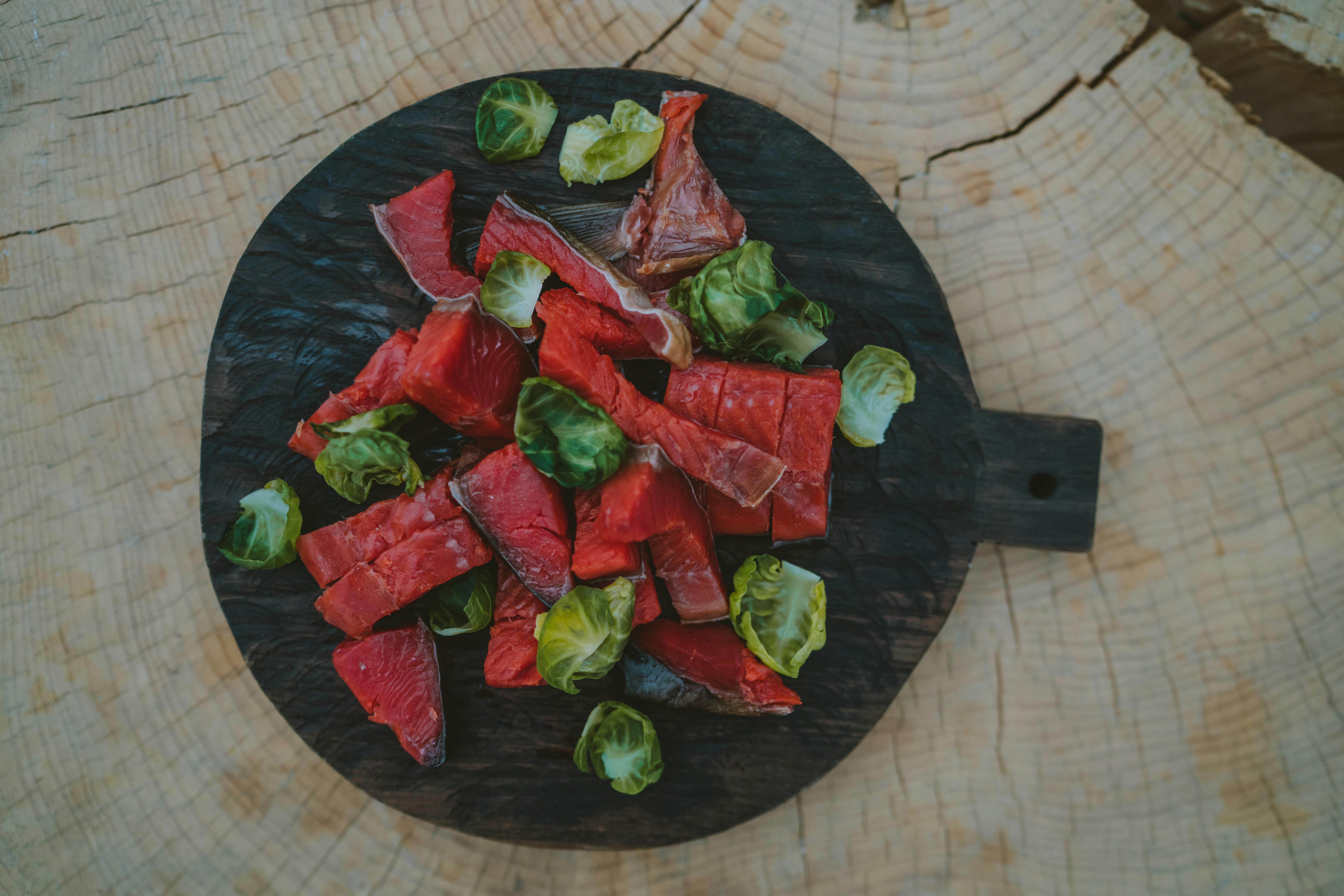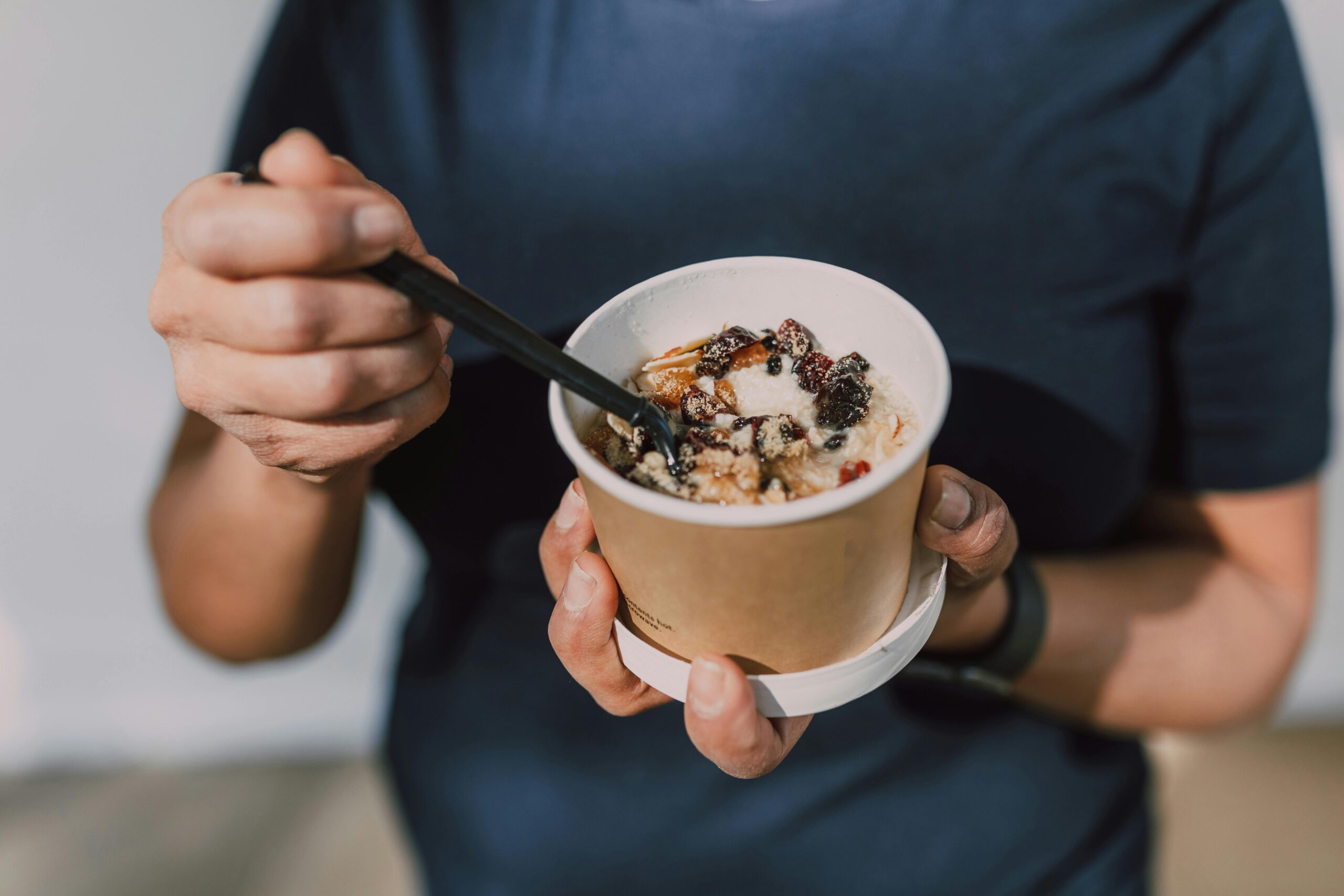
Craving something sweet or savory doesn’t mean you have to derail your healthy eating goals. The good news is that satisfying your taste buds while maintaining a balanced lifestyle is entirely possible with smart alternatives.

Today’s food landscape offers incredible options that deliver on flavor without the caloric overload. Whether you’re managing your weight, pursuing fitness goals, or simply wanting to make healthier choices, discovering low-calorie treats can transform how you approach snacking. The key lies in finding alternatives that genuinely satisfy without leaving you feeling deprived or reaching for more.
🍫 Understanding the Psychology Behind Cravings
Before diving into alternatives, it’s essential to understand why we crave certain foods. Cravings often stem from emotional triggers, habit patterns, nutritional deficiencies, or simply the memory of pleasurable eating experiences. Recognizing what drives your desires for specific treats helps you choose alternatives that truly satisfy.
Research shows that cravings typically last only 3-5 minutes. By having delicious low-calorie options readily available, you can navigate these moments successfully without compromising your health goals. The secret isn’t elimination—it’s strategic substitution with equally enjoyable alternatives.
🍰 Sweet Tooth Solutions That Won’t Break Your Calorie Bank
Sweet cravings are perhaps the most common challenge people face when trying to maintain a healthy diet. Fortunately, modern food science and creative cooking have produced remarkable alternatives that deliver sweetness with significantly fewer calories.
Frozen Fruit Treats That Taste Like Dessert
Frozen banana slices dipped in dark chocolate create a decadent treat at around 150 calories per serving. The natural sweetness of bananas intensifies when frozen, while dark chocolate provides antioxidants and rich flavor. You can also blend frozen bananas alone to create a creamy “nice cream” that mimics ice cream texture perfectly.
Frozen grapes become nature’s candy, offering a satisfying pop of sweetness with only about 100 calories per cup. Try freezing different varieties—red, green, and cotton candy grapes each offer unique flavor profiles. These frozen gems are perfect for mindful eating since consuming them takes time.
Greek Yogurt Innovations
Greek yogurt serves as an incredible foundation for low-calorie desserts. At approximately 100 calories per serving for non-fat varieties, it provides protein that helps you feel satisfied longer. Mix in sugar-free pudding mix, fresh berries, or a drizzle of honey for a parfait-style treat under 150 calories.
Frozen Greek yogurt bark has become tremendously popular—simply spread yogurt on a baking sheet, top with berries and a sprinkle of granola, then freeze. Break into pieces for a crunchy, creamy snack that feels indulgent but remains calorie-conscious.
Smart Chocolate Alternatives
Chocolate cravings don’t require abandoning your goals. Dark chocolate with 70% or higher cocoa content offers intense flavor in small portions—just two squares typically contain around 100 calories while providing beneficial compounds like flavonoids.
Chocolate rice cakes, chocolate-flavored protein bars with under 200 calories, and homemade chocolate energy bites made with dates, cocoa powder, and nuts deliver that chocolate experience without excessive calories. The key is choosing quality over quantity and savoring each bite mindfully.
🍕 Savory Snack Swaps for Satisfying Cravings
Not everyone reaches for sweets when cravings strike. Savory, salty, and crunchy alternatives can be equally important for maintaining a balanced approach to eating without feeling restricted.
Chip and Crisp Alternatives
Traditional potato chips pack hundreds of calories into small servings, but numerous alternatives deliver that satisfying crunch. Air-popped popcorn seasoned with herbs and spices contains only about 30 calories per cup, making it volume-friendly for substantial snacking.
Kale chips, when properly baked until crispy, offer a nutrient-dense alternative with approximately 50 calories per serving. Season with nutritional yeast for a cheesy flavor without dairy. Beet chips, zucchini chips, and carrot chips provide variety while keeping calories in check.
Roasted chickpeas transform this protein-rich legume into a crunchy snack at around 120 calories per half-cup serving. Season them savory with paprika and garlic, or sweet with cinnamon for versatility that addresses multiple craving types.
Pizza and Cheese Cravings Solved
Pizza ranks among the most commonly craved foods, but portion-controlled alternatives exist. Mini pizzas using whole wheat English muffins, light mozzarella, and vegetable toppings clock in around 200 calories each—satisfying without excess.
Zucchini pizza boats hollow out the vegetable and fill it with sauce, low-fat cheese, and toppings for a filling meal under 150 calories. Cauliflower crust alternatives have revolutionized pizza options for those seeking lower-calorie bases without sacrificing the pizza experience.
For cheese cravings specifically, string cheese provides portion control at about 80 calories per stick, while laughing cow light cheese wedges offer creamy satisfaction at just 35 calories each. Pair with cucumber slices or bell pepper strips for added crunch and nutrition.
🥤 Beverage Alternatives That Satisfy Without Sugar Overload
Liquid calories often go unnoticed but significantly impact daily totals. Sodas, specialty coffee drinks, and sweetened beverages can contain 300-500 calories without providing satiety. Smart beverage swaps make a substantial difference.
Refreshing Drink Options
Sparkling water with fresh fruit infusions delivers the carbonation and flavor people crave from soda with zero calories. Try combinations like strawberry-basil, cucumber-mint, or orange-ginger for sophisticated taste profiles.
Herbal iced teas offer endless variety without calories when unsweetened. Add a splash of lemon juice or a few drops of stevia if you need slight sweetness. Cold brew coffee provides smooth flavor without bitterness, requiring less sweetener than hot-brewed varieties.
Kombucha typically contains 30-50 calories per serving while offering probiotic benefits and interesting flavors that satisfy the desire for something special beyond plain water.
Coffee and Tea Upgrades
Specialty coffee drinks often contain 400+ calories, primarily from syrups, whipped cream, and whole milk. Switching to almond milk or oat milk reduces calories by 30-50 per cup. Sugar-free syrups available in most coffee shops provide flavor without caloric cost.
Making golden milk lattes at home with turmeric, ginger, cinnamon, and unsweetened almond milk creates a comforting, anti-inflammatory beverage under 60 calories. Matcha lattes made with low-fat milk offer sustained energy and antioxidants at around 100 calories.
🍪 Baking Your Way to Guilt-Free Indulgence
Home baking allows complete control over ingredients, making it easier to create genuinely satisfying treats that align with your nutritional goals. Strategic substitutions dramatically reduce calories without sacrificing taste or texture.
Smart Ingredient Swaps
Replacing butter with unsweetened applesauce in baking recipes cuts calories significantly while maintaining moisture. Use a 1:1 ratio for straightforward substitution. Greek yogurt similarly replaces oil or butter while adding protein.
Sugar alternatives like erythritol, monk fruit sweetener, and stevia provide sweetness without calories or blood sugar spikes. These bake well when combined properly, though some experimentation helps achieve optimal results.
Almond flour and oat flour offer nutrient-dense alternatives to all-purpose flour with more protein and fiber, helping baked goods provide greater satiety. Black bean brownies might sound unusual, but the beans create fudgy texture while adding fiber and protein.
Portion-Controlled Baking Ideas
Mug cakes baked in individual portions prevent the temptation of having an entire cake available. These single-serve treats typically contain 150-250 calories and take just minutes to prepare. Varieties range from chocolate to vanilla to fruit-based options.
Protein muffins incorporating protein powder, oats, egg whites, and fruit create filling snacks around 120 calories each. Bake a batch on Sunday for grab-and-go options throughout the week. Add dark chocolate chips sparingly for special treats.
🥗 Balancing Satisfaction with Nutritional Value
The best low-calorie alternatives don’t just reduce calories—they provide nutritional value that supports overall health. Prioritizing nutrient density ensures your body receives vitamins, minerals, protein, and fiber alongside flavor satisfaction.
The Protein Advantage
Including protein in snacks dramatically improves satiety compared to carbohydrate-only options. Protein requires more energy to digest and helps stabilize blood sugar, preventing the energy crashes that trigger additional cravings.
Greek yogurt, cottage cheese, hard-boiled eggs, turkey roll-ups, and protein smoothies all deliver substantial protein in relatively low-calorie packages. Aim for at least 10-15 grams of protein per snack to maximize satisfaction.
Fiber for Fullness
Fiber adds volume to foods without adding calories, creating physical fullness that helps control portions. Fruits, vegetables, whole grains, and legumes all contribute fiber while providing essential nutrients.
A medium apple contains about 95 calories but delivers 4 grams of fiber, making it far more satisfying than 95 calories of candy. Pairing high-fiber foods with small amounts of healthy fats or proteins creates balanced snacks that genuinely satisfy.
📱 Technology Tools for Tracking and Discovering Alternatives
Modern technology offers tremendous support for finding low-calorie alternatives and tracking nutritional intake. Food tracking apps help build awareness around eating patterns while providing databases of nutritional information for virtually any food.
Recipe apps specifically focused on healthy cooking provide endless inspiration for creating satisfying low-calorie treats. Many feature filters for dietary preferences, calorie ranges, and preparation time, making it simple to find options that fit your lifestyle.
Apps like MyFitnessPal allow comprehensive food tracking with barcode scanning, extensive food databases, and community support features that keep you motivated. Understanding your actual intake versus perceived intake often reveals surprising insights that inform better choices.
🎯 Strategic Planning Prevents Impulsive Choices
Success with low-calorie alternatives requires preparation rather than willpower alone. When hunger strikes and no healthy options are available, even the strongest resolve weakens. Strategic planning creates an environment where healthy choices become the easy choices.
Meal Prep for Snack Success
Dedicating an hour weekly to prepare snack options pays dividends throughout the week. Portion individual servings of nuts, cut vegetables with hummus, prepare protein balls, and wash and freeze fruit for immediate access.
Having grab-and-go options readily available in your refrigerator and pantry eliminates the decision-making process when cravings arise. You’re far more likely to reach for prepared healthy options than to start from scratch when hungry.
The Emergency Snack Kit
Keep non-perishable low-calorie snacks in your car, desk, and bag for unexpected hunger moments. Options like roasted seaweed snacks, protein bars under 200 calories, unsweetened dried fruit, and individual nut portions prevent desperate stops at convenience stores.
This preparation acknowledges that life happens—meetings run long, traffic delays dinner, or activities take longer than expected. Rather than viewing these moments as failures, prepare for them with strategic snack availability.
🌟 Mindful Eating Maximizes Satisfaction
How you eat matters as much as what you eat when it comes to satisfaction. Mindful eating practices transform even modest portions into genuinely satisfying experiences by engaging all senses and paying complete attention to the eating process.
Eliminate distractions during snack time—turn off screens, step away from work, and focus entirely on the food. Notice colors, textures, aromas, and flavors. Chew thoroughly and pace yourself, allowing 15-20 minutes for snacks and treats.
This deliberate approach activates satiety signals more effectively than distracted eating. Studies consistently show that people eating while watching television or working consume significantly more than those who eat mindfully, often without remembering or enjoying what they ate.
💪 Building Sustainable Habits Rather Than Temporary Restrictions
The ultimate goal isn’t perfection or elimination of favorite foods—it’s developing a sustainable relationship with food that includes regular enjoyment of low-calorie alternatives alongside occasional indulgences. Extreme restriction typically backfires, creating intense cravings and eventual overconsumption.
View low-calorie alternatives as additions to your food repertoire rather than punishments or deprivation. Many people discover they genuinely prefer certain healthier options once they’ve adjusted to less intense sweetness or saltiness. Taste preferences adapt over time when given the opportunity.
Allow flexibility for special occasions, celebrations, and social situations. Having mostly nutritious, lower-calorie choices throughout the week creates space for less frequent indulgences without guilt or derailment of overall health goals.
🍓 Seasonal Approaches to Low-Calorie Treats
Embracing seasonal produce and flavors keeps your low-calorie treat options exciting and varied throughout the year. Fresh, in-season ingredients deliver peak flavor, often requiring less enhancement with high-calorie additions.
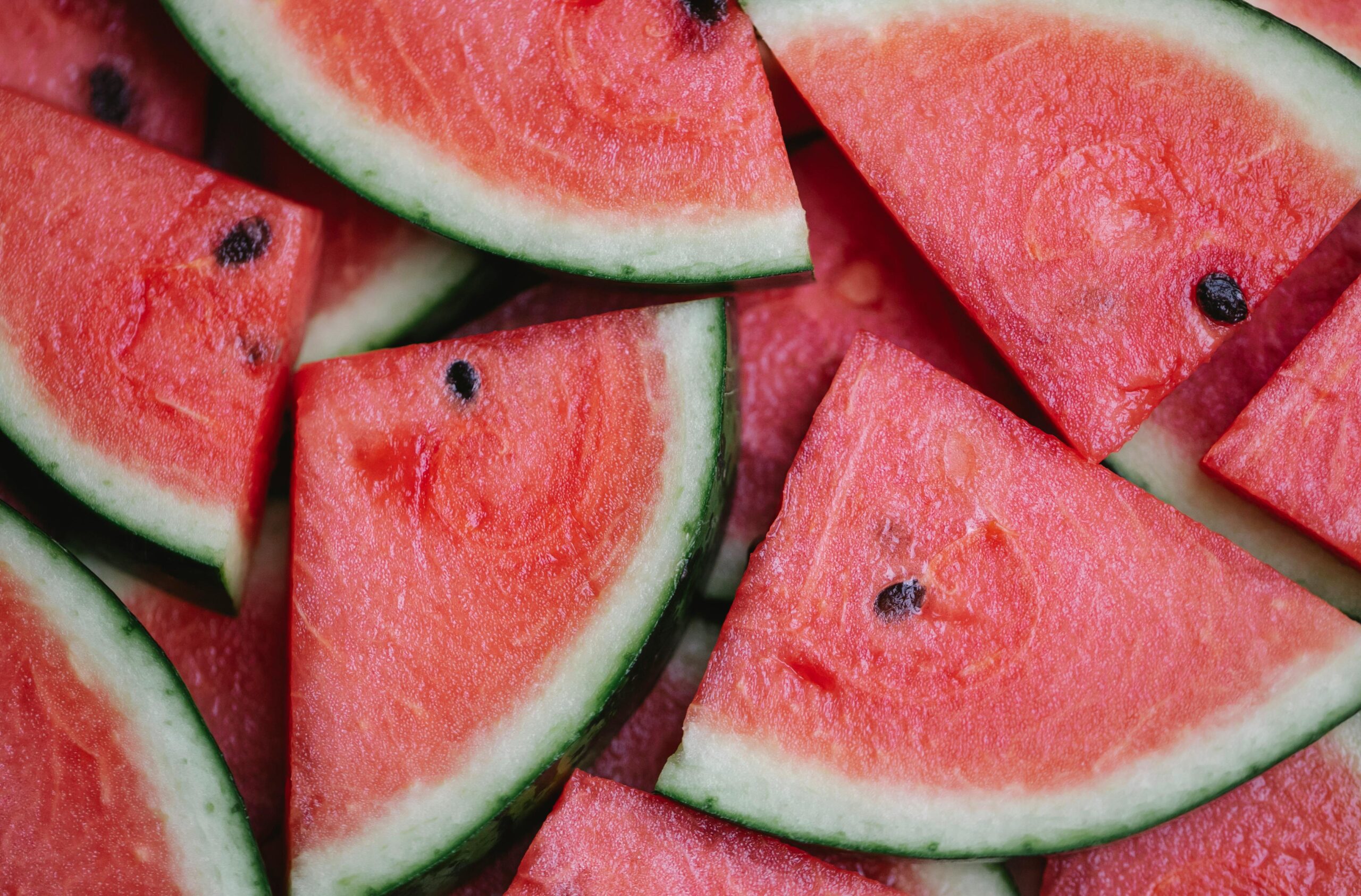
Summer brings abundant berries perfect for frozen treats, fresh fruit salads, and grilled fruit desserts. Watermelon pizza—sliced rounds topped with yogurt and berries—provides Instagram-worthy presentation at minimal calories. Fall offers opportunities for baked apples with cinnamon, pumpkin-based treats, and warming spiced beverages.
Winter citrus fruits brighten cold months with vitamin C and natural sweetness, while spring strawberries and cherries signal renewed freshness. Rotating options seasonally prevents boredom and ensures you’re always working with the most flavorful, affordable ingredients available.
🎉 Creating Your Personalized Low-Calorie Treat Strategy
No single approach works for everyone because preferences, lifestyles, and nutritional needs vary significantly. Developing your personalized strategy involves experimentation, honest self-assessment, and willingness to adjust based on results.
Start by identifying your specific craving patterns—do you want sweets after dinner, salty snacks mid-afternoon, or something crunchy while watching television? Understanding your patterns allows targeted alternative selection that addresses actual needs rather than generic healthy eating advice.
Test various alternatives to discover what genuinely satisfies you. Some people find fruit perfectly adequate for sweet cravings, while others need something with chocolate. Neither approach is wrong—success comes from honoring your preferences while making the healthiest choices possible within those parameters.
Track not just what you eat but how satisfied you feel afterward. Foods that leave you wanting more immediately or craving again within an hour aren’t serving you well, regardless of calorie content. True satisfaction means feeling content, energized, and not thinking about food constantly until your next planned meal or snack.
Remember that discovering the best low-calorie treat alternatives is a journey rather than a destination. Your preferences will evolve, new products will emerge, and your nutritional needs may change with different life stages. Stay curious, keep experimenting, and celebrate the discovery of each new favorite that allows you to satisfy cravings while supporting your health goals guilt-free.