
Modern grocery shopping has evolved from a simple task into a complex decision-making process. With countless products lining the shelves, understanding what you’re actually putting into your body requires skill and knowledge.

Learning to decode ingredient lists empowers you to make informed choices that align with your health goals and dietary needs. This comprehensive guide will transform you from a casual shopper into a savvy consumer who can navigate product labels with confidence and clarity.
🔍 Why Ingredient Lists Matter More Than You Think
The ingredient list on any packaged food product tells a story—one that marketing claims and colorful packaging often try to obscure. While front-of-package labels shout “natural,” “organic,” or “low-fat,” the true nutritional profile lies in those small-print ingredients listed on the back or side of the container.
Understanding these lists is crucial because manufacturers are required by law to list ingredients in descending order by weight. This means the first few ingredients make up the bulk of what you’re consuming. A cereal that lists sugar as the second ingredient contains more sugar than any other component except the first listed item.
Beyond order, ingredient lists reveal hidden additives, preservatives, and substances that might trigger allergies or sensitivities. They expose misleading marketing tactics and help you distinguish between genuinely nutritious products and cleverly disguised junk food wearing a health halo.
📋 The Fundamental Rules of Reading Ingredient Lists
Before diving into specific ingredients, you need to understand the basic framework that governs how these lists are constructed. Food labeling regulations vary by country, but most follow similar principles designed to inform consumers accurately.
The Weight-Based Hierarchy System
Ingredients must be listed in descending order by weight at the time of manufacturing. This single rule provides your most powerful tool for comparison shopping. When comparing two similar products, the one with whole foods listed first generally offers superior nutritional value compared to one leading with refined ingredients or additives.
For example, when choosing bread, look for “whole wheat flour” or “whole grain wheat” as the first ingredient rather than “enriched wheat flour” or “wheat flour.” The difference represents the retention of nutrients versus their removal and partial replacement.
Understanding Ingredient Names and Aliases
Food manufacturers sometimes use technical or chemical names that obscure what’s actually in the product. Sugar alone has over 60 different names including sucrose, dextrose, maltose, corn syrup, cane juice, and agave nectar. Recognizing these aliases prevents you from underestimating how much of certain ingredients you’re consuming.
Similarly, artificial colors might appear as “Yellow 5” or “Red 40” rather than their chemical names tartrazine and allura red. Learning these alternate names helps you identify ingredients you may want to avoid regardless of how they’re labeled.
🛒 Strategic Comparison Shopping Techniques
Armed with basic knowledge, you can develop systematic approaches to comparing products effectively. These techniques save time while ensuring you consistently select healthier options.
The Five-Ingredient Guideline
While not a hard rule, products with five or fewer recognizable ingredients tend to be less processed and more nutritious. This guideline helps you quickly eliminate ultra-processed options during shopping trips. A jar of peanut butter should ideally list just peanuts and perhaps salt, not peanuts plus sugar, hydrogenated oils, and multiple stabilizers.
This principle works particularly well for condiments, sauces, and snack foods where ingredient lists can balloon unnecessarily. When comparing similar products, favor simplicity unless specific ingredients provide genuine functional or nutritional benefits.
Creating Your Personal Red Flag List
Develop a mental or written list of ingredients you want to minimize or avoid entirely. This might include artificial sweeteners, trans fats (partially hydrogenated oils), certain food dyes, or specific allergens. Having this reference point accelerates decision-making and keeps you focused on your health priorities.
Common ingredients to watch for include:
- High fructose corn syrup and excessive added sugars
- Partially hydrogenated oils (trans fats)
- Artificial colors (especially for children’s products)
- Sodium nitrite and nitrate in processed meats
- BHA and BHT preservatives
- Artificial flavors and sweeteners
🥗 Navigating Different Product Categories
Different food categories require tailored approaches when comparing ingredient lists. What matters most varies dramatically between breakfast cereals, yogurt, bread, and packaged snacks.
Decoding Packaged Snacks and Processed Foods
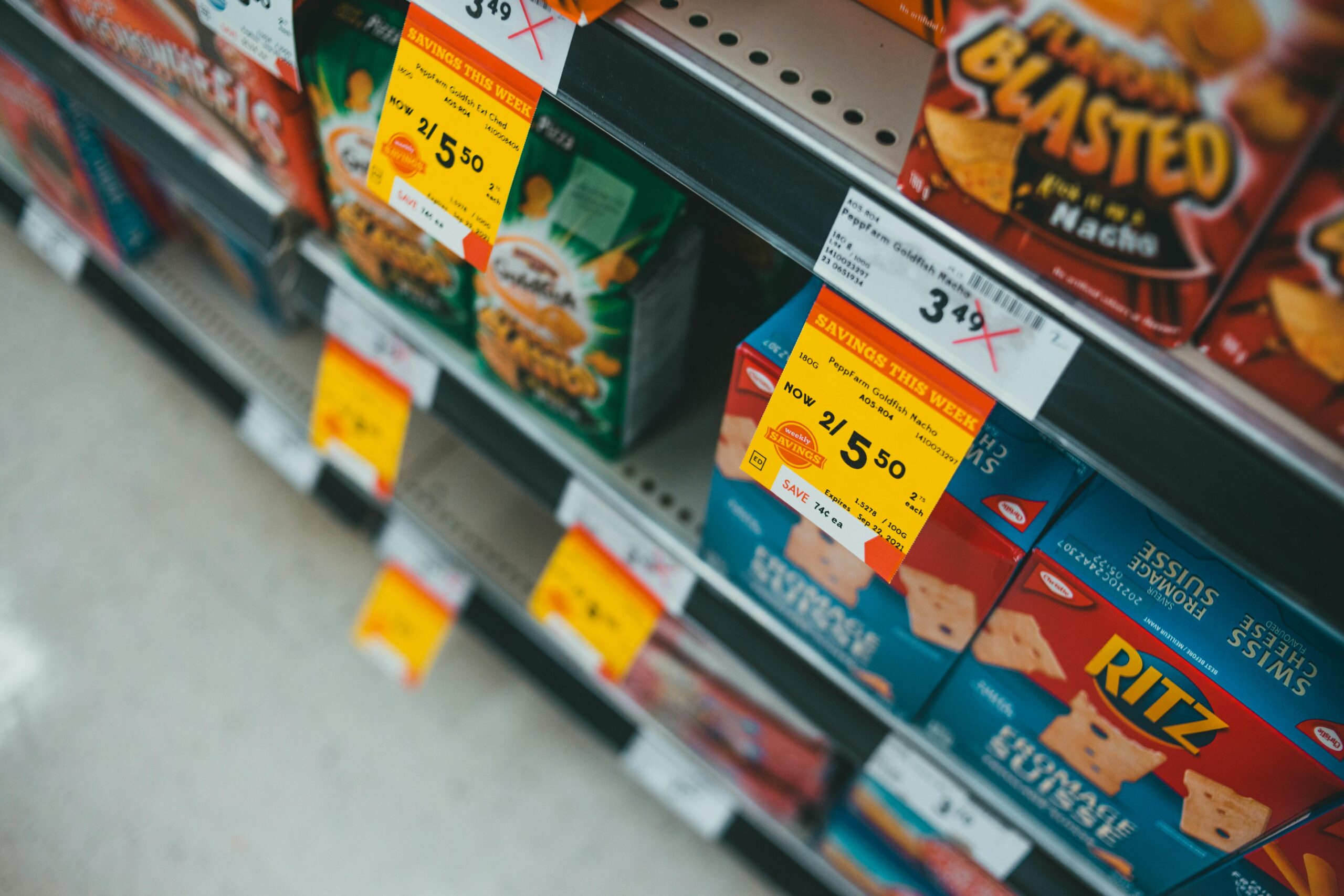
Snack foods present particular challenges because they’re often heavily processed with extensive ingredient lists. When comparing chips, crackers, or cookies, look beyond the first ingredient to identify how quickly you encounter oils, sugars, and additives.
Better snack options typically feature whole grains, nuts, or seeds prominently and use oils like olive, avocado, or coconut rather than generic “vegetable oil” which usually means soybean, corn, or palm oil. Salt content also varies dramatically between brands, so comparing sodium levels alongside ingredients provides a complete picture.
Dairy and Dairy Alternatives
Yogurt demonstrates why ingredient comparison is essential. Plain yogurt should contain just milk and live cultures, yet flavored varieties can include more sugar than ice cream along with artificial colors, flavors, and thickeners. Even “Greek” yogurt isn’t guaranteed to be healthier—some brands add milk protein concentrate and starches to simulate authentic strained yogurt’s texture.
For dairy alternatives like almond, oat, or soy milk, ingredient lists reveal quality differences. Premium products use whole ingredients with minimal additives, while budget options might rely heavily on thickeners, emulsifiers, and added vitamins to compensate for processing methods that strip natural nutrients.
Condiments and Sauces
This category shows the most dramatic variation in ingredient quality. Ketchup, for instance, can range from tomatoes, vinegar, and spices to products where high fructose corn syrup appears as the second ingredient followed by multiple additives.
Similarly, salad dressings span from simple oil-and-vinegar combinations to chemical concoctions with more than 20 ingredients including multiple sugars, preservatives, and artificial flavors. Comparing these products reveals opportunities to eliminate unnecessary additives while often saving money by choosing simpler formulations.
📱 Technology Tools for Smarter Shopping
Several smartphone applications now help consumers decode ingredient lists quickly using barcode scanning technology. These tools provide instant analysis of nutritional quality, flagging concerning ingredients and offering healthier alternatives.
Apps like Yuka scan product barcodes and rate foods based on nutritional value, additives, and organic certification. The app’s database includes millions of products, making it valuable for comparing options directly in the store aisle.
Other helpful applications include Open Food Facts, which crowdsources ingredient information globally, and MyFitnessPal, which combines ingredient analysis with comprehensive nutritional tracking. These digital tools supplement your knowledge rather than replacing critical thinking about your dietary needs.
💡 Advanced Ingredient Analysis Strategies
Once you’ve mastered the basics, more sophisticated analysis techniques help you make even more informed decisions about product quality and nutritional value.
Understanding Ingredient Synergies
Some ingredient combinations create nutritional advantages greater than their individual components. For example, turmeric with black pepper enhances curcumin absorption, while vitamin C sources alongside plant-based iron improve iron bioavailability. Recognizing these pairings helps you identify thoughtfully formulated products.
Conversely, certain combinations suggest lower quality or cost-cutting measures. Products listing both cheaper and premium versions of the same ingredient (like “wheat flour” and “whole wheat flour”) often use minimal amounts of the better ingredient for marketing purposes while relying primarily on the inferior version.
Recognizing Greenwashing Through Ingredients
Environmental and health-conscious consumers increasingly face greenwashing—marketing that exaggerates ecological or nutritional benefits. Ingredient lists help identify these deceptive practices. A product claiming to be “natural” might still contain highly processed ingredients that are technically derived from natural sources.
Terms like “organic cane sugar” or “natural flavors” sound wholesome but don’t necessarily indicate superior nutritional value. Sugar affects your body similarly regardless of its organic status, and “natural flavors” is a broad category that can include hundreds of additives derived from plant or animal sources through extensive processing.
🎯 Making Practical Trade-offs
Perfect is often the enemy of good when it comes to grocery shopping. Understanding when to be flexible and when to hold firm on standards makes sustainable healthy eating more achievable.
Budget Considerations
Products with cleaner ingredient lists sometimes cost more due to higher-quality ingredients and smaller production scales. Prioritize where cleaner ingredients matter most—foods you consume daily or in large quantities warrant premium choices, while occasional items allow more flexibility.
For staples like bread, cooking oils, and dairy, investing in quality pays health dividends. For occasional treats or rarely used specialty items, moderate your standards while still avoiding your personal red-flag ingredients.
Accessibility and Availability
Not everyone has access to specialty grocery stores with extensive natural and organic selections. Within conventional supermarkets, you can still apply ingredient comparison principles to select the best available options. Store brands increasingly offer simpler formulations that rival name brands at lower prices.
When ideal products aren’t available, focus on minimizing the most problematic ingredients rather than achieving perfection. Choosing bread with enriched flour but no high fructose corn syrup beats options containing both.
🌟 Building Long-Term Healthy Shopping Habits
Transforming ingredient awareness into lasting behavior change requires developing systems that make healthy choices easier over time.
Creating Your Approved Product List
Once you’ve identified products meeting your standards, maintain a running list on your phone or in a shopping app. This eliminates the need to reread ingredient lists on every shopping trip while allowing you to quickly evaluate new products against your established criteria.
Periodically reassess your approved items, as manufacturers sometimes reformulate products without prominent notification. What qualified as a healthy choice six months ago might now contain additional sugars or substituted oils.
Teaching Others to Read Critically
Sharing ingredient literacy with family members, especially children, multiplies the impact of your knowledge. Teaching kids to identify whole foods versus additives in ingredient lists cultivates lifelong healthy habits and critical thinking about marketing claims.
Make it engaging by turning shopping into a game—who can find the product with the fewest ingredients, or identify the most names for sugar on a single label? These activities build skills that serve them throughout life.
🚀 Taking Action Starting Today
The journey toward smarter shopping through ingredient comparison doesn’t require perfect execution from day one. Start by implementing one or two strategies during your next grocery trip and gradually expand your skills.
Begin with a single product category you purchase regularly—perhaps breakfast cereal, yogurt, or snacks. Compare three different brands, noting ingredient differences and price variations. This focused approach builds confidence without overwhelming you with too many simultaneous changes.
As ingredient reading becomes habitual, you’ll naturally scan labels before purchasing new products, and your cart will increasingly contain whole foods and minimally processed items. This shift happens organically as your awareness grows and you recognize how ingredient quality affects how you feel.
Remember that every informed choice contributes to better health outcomes. You’re not just shopping for food—you’re investing in your wellbeing, supporting companies that prioritize quality ingredients, and voting with your dollars for a food system that values transparency over marketing gimmicks. The power truly lies in your hands, starting with the simple act of reading what’s actually in your food.
By mastering ingredient comparison, you transform grocery shopping from a mundane chore into an empowering practice that directly impacts your health trajectory. The small time investment in reading labels yields significant returns in improved nutrition, reduced exposure to questionable additives, and the satisfaction of making choices aligned with your values and wellness goals.