
Feeding your family well doesn’t have to be complicated. With the right tools and knowledge, you can transform mealtime from a stressful guessing game into a streamlined, nutritious routine that benefits everyone at the table.

Reading feeding guideline charts has become an essential skill for modern parents, caregivers, and anyone committed to maintaining healthy eating habits. These visual tools simplify complex nutritional information, making it easier to understand portion sizes, dietary requirements, and age-appropriate feeding schedules without needing a nutrition degree.
📊 Understanding the Basics of Feeding Guideline Charts
Feeding guideline charts are visual representations that translate nutritional recommendations into practical, actionable information. They typically include data about portion sizes, frequency of meals, food group distributions, and age-specific requirements. These charts serve as quick reference tools that eliminate confusion during meal planning and preparation.
The beauty of these charts lies in their simplicity. Instead of reading through lengthy nutritional texts or attempting to memorize complex dietary guidelines, you can glance at a well-designed chart and immediately understand what your family needs. This visual approach reduces decision fatigue and helps establish consistent, healthy eating patterns.
Most feeding guideline charts are based on recommendations from reputable organizations like the World Health Organization, the American Academy of Pediatrics, or national dietary guidelines. This ensures that the information you’re using is scientifically backed and periodically updated to reflect current nutritional science.
🍼 Infant Feeding Charts: The Foundation of Healthy Growth
For new parents, infant feeding charts are invaluable resources. These specialized charts outline feeding schedules from birth through the first year, covering both breastfeeding and formula feeding recommendations. They detail how much milk babies typically need at different stages, when to introduce solid foods, and which foods are appropriate for different developmental milestones.
Infant feeding charts typically break down information by age ranges, such as 0-3 months, 4-6 months, 7-9 months, and 10-12 months. Each section provides specific guidance on portion sizes, feeding frequency, and developmental readiness signs. This structured approach helps parents anticipate their baby’s changing nutritional needs and respond appropriately.
Understanding these charts can reduce anxiety around common feeding concerns. When you can see at a glance that your six-month-old’s eating pattern aligns with typical guidelines, you gain confidence in your parenting decisions. These charts also help identify when consultation with a pediatrician might be necessary if feeding patterns significantly deviate from standard recommendations.
Transitioning to Solid Foods with Confidence
The transition from exclusive milk feeding to solid foods represents a major milestone. Feeding charts for this phase provide clear timelines for introducing different food textures and types. They often use color coding or symbols to indicate which foods are safe, which should be avoided, and which require special preparation methods.
These charts help parents navigate allergy concerns by suggesting the order in which to introduce potentially allergenic foods. Current guidelines recommend early introduction of common allergens like peanuts, eggs, and fish, and feeding charts reflect this evidence-based approach with clear visual cues.
👶 Toddler and Preschool Feeding Guidelines
As children grow into toddlers and preschoolers, their nutritional needs and eating behaviors change dramatically. Feeding charts for this age group focus on portion sizes appropriate for small stomachs, the introduction of family foods, and establishing healthy eating habits that will last a lifetime.
Toddler feeding charts often illustrate portions using familiar objects—a portion of protein might be shown as the size of a deck of cards, while a serving of vegetables might be compared to a child’s fist. These relatable comparisons make it easier to assess whether your child is eating appropriate amounts without needing measuring cups at every meal.
These charts also address common feeding challenges unique to this age group, such as food refusal, picky eating, and irregular appetite. By showing that these behaviors are normal and providing strategies within the chart framework, parents gain perspective and practical solutions simultaneously.
Building a Balanced Plate for Young Children
Visual plate models are particularly effective feeding guideline charts for young children. These circular diagrams divide a plate into sections representing different food groups, showing at a glance how much of the plate should contain vegetables, proteins, grains, and fruits. Some versions include a separate circle for dairy products.
The most well-known example is MyPlate from the USDA, but many variations exist tailored to different dietary patterns, cultural foods, and special nutritional needs. Using these plate models consistently helps children develop an intuitive understanding of balanced eating that becomes automatic over time.
🥗 School-Age Children and Adolescent Nutrition Charts
As children enter school and adolescence, their nutritional needs increase significantly to support growth spurts, increased activity levels, and cognitive development. Feeding guideline charts for these age groups reflect these heightened requirements while also promoting independence in food choices.
Charts for school-age children often include information about healthy snacking, lunch box ideas, and how to make nutritious choices in school cafeterias or social situations. They may incorporate elements of nutrition education, helping children understand why certain foods are beneficial and how different nutrients support their bodies.
Adolescent feeding charts address the unique challenges of this developmental stage, including increased caloric needs, the importance of specific nutrients like calcium and iron, and navigating peer pressure around food choices. These charts often take a more sophisticated approach, treating teens as partners in their own nutritional health rather than passive recipients of adult decisions.
💪 Adult Nutrition: Maintaining Health Through the Years
Feeding guideline charts aren’t just for children. Adult nutrition charts help individuals understand their changing needs through different life stages, from young adulthood through senior years. These charts consider factors like activity level, health conditions, and gender-specific nutritional requirements.
Adult charts often focus on portion control, balanced macronutrient distribution, and meeting micronutrient needs without excessive calorie intake. They may include information about meal timing, hydration requirements, and how to adjust eating patterns for specific health goals like weight management, athletic performance, or managing chronic conditions.
Many adults find that visual feeding guidelines help them break free from diet culture and establish sustainable, healthy eating patterns. Rather than following restrictive diet plans, these charts promote a balanced approach that includes all food groups in appropriate proportions.
Special Dietary Needs and Adaptations
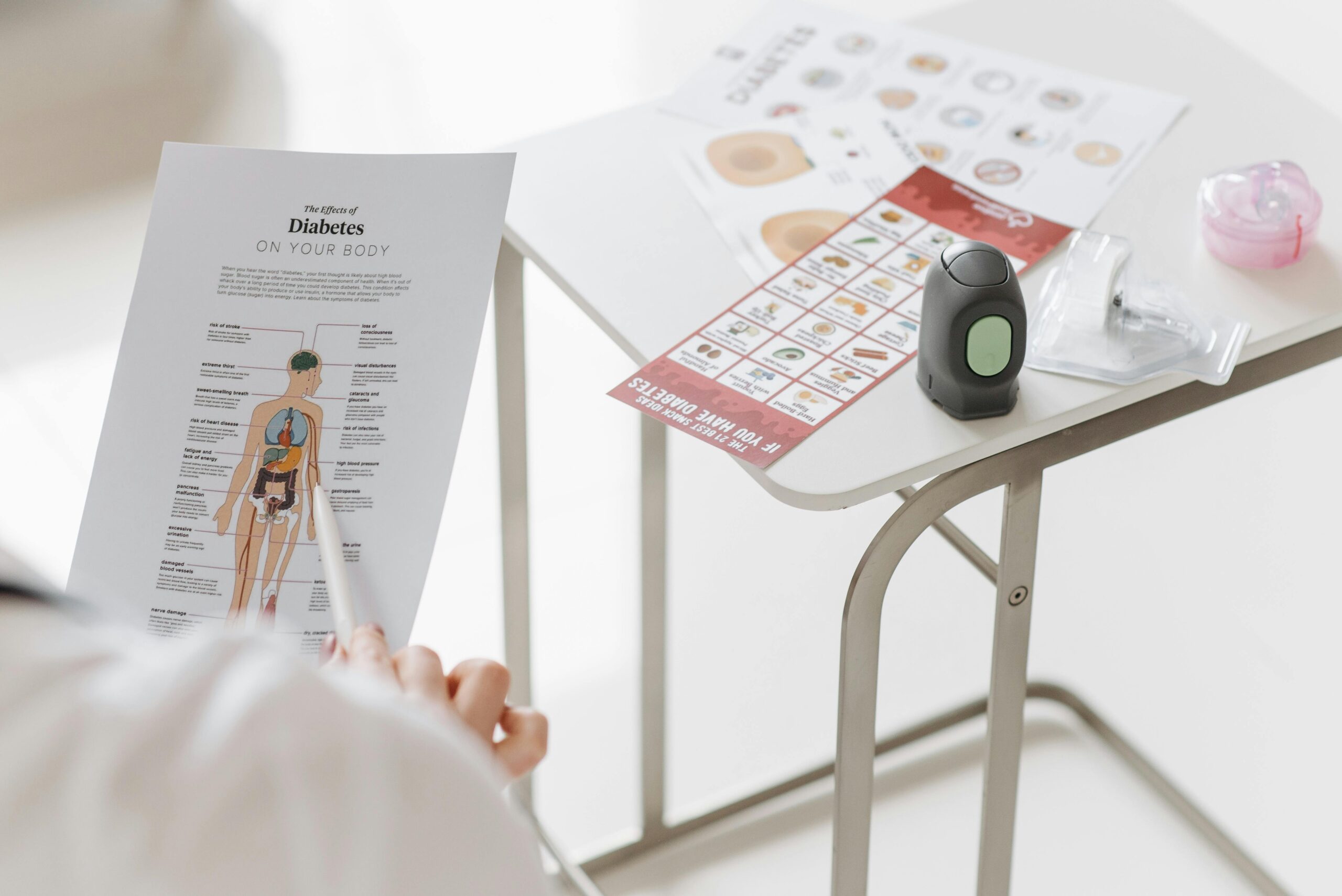
Modern feeding guideline charts recognize that nutritional needs vary significantly based on individual circumstances. Charts designed for vegetarian or vegan diets show how to obtain complete nutrition from plant-based sources. Charts for individuals with diabetes illustrate carbohydrate counting and blood sugar management through food choices.
Athletes and highly active individuals benefit from specialized charts that account for increased energy and protein requirements. Pregnancy and lactation charts provide guidance for meeting the elevated nutritional demands of these life stages. The availability of specialized charts ensures that virtually everyone can find visual guidance appropriate to their situation.
📱 Digital Tools and Apps for Feeding Guidelines
While printed feeding guideline charts remain useful, digital applications have revolutionized how we access and use nutritional information. Many apps now incorporate interactive feeding charts, portion size calculators, and personalized recommendations based on individual profiles.
These digital tools often include features like meal planning templates, grocery lists generated from feeding guidelines, and tracking capabilities to monitor dietary patterns over time. The convenience of having feeding guidelines available on your smartphone means you can reference them while grocery shopping, cooking, or eating out.
Some apps use augmented reality to help users visualize portion sizes or scan food packages to instantly see how items fit into recommended feeding guidelines. This technology makes the abstract concepts in traditional charts more concrete and immediately applicable to real-world eating situations.
🎯 How to Read and Apply Feeding Charts Effectively
Simply having access to feeding guideline charts isn’t enough—you need to know how to interpret and apply the information they contain. Start by identifying which chart is appropriate for your situation based on age, health status, and dietary pattern. Most charts include a legend or key explaining symbols, colors, or measurements used.
Pay attention to the source of the chart and when it was created. Nutritional science evolves, and older charts may not reflect current best practices. Reputable sources include government health departments, major medical organizations, and registered dietitian associations.
When applying chart recommendations, remember that they represent general guidelines, not rigid rules. Individual needs vary based on growth patterns, activity levels, metabolism, and health conditions. Use charts as a starting point, then adjust based on hunger cues, energy levels, and consultation with healthcare providers when necessary.
Common Mistakes to Avoid
One common error is treating feeding guideline charts as exact prescriptions rather than flexible frameworks. Becoming overly rigid about following charts can create stress around meals and potentially lead to disordered eating patterns, especially in children who are still learning to recognize their own hunger and fullness signals.
Another mistake is using charts designed for one population to guide feeding decisions for another. A chart created for sedentary adults won’t provide appropriate guidance for a competitive teenage athlete, just as an infant feeding chart won’t help you make decisions for a toddler.
Finally, some people focus exclusively on quantities shown in charts while ignoring food quality. A feeding guideline might recommend a certain number of grain servings, but choosing whole grains over refined options makes a significant nutritional difference that charts may not explicitly address.
🌍 Cultural Considerations in Feeding Guidelines
Traditional feeding guideline charts have often reflected Western dietary patterns, but there’s growing recognition of the need for culturally diverse nutritional resources. Many organizations now produce charts that incorporate traditional foods from various cultures while maintaining sound nutritional principles.
These culturally adapted charts help families maintain their food traditions while ensuring nutritional adequacy. They show how traditional preparations and ingredients fit into balanced eating patterns, validating cultural food practices rather than suggesting they be replaced with unfamiliar alternatives.
When using feeding guideline charts, look for versions that reflect your family’s cultural background or adapt general guidelines by substituting familiar foods for suggested items. The fundamental principles of nutrition—adequate protein, plenty of fruits and vegetables, whole grains, and appropriate portions—can be achieved through countless combinations of culturally specific foods.
🔄 Integrating Feeding Charts into Daily Routines
The real value of feeding guideline charts emerges when you consistently integrate them into your daily routines. Start by placing physical charts in visible locations like your kitchen or dining area. This constant visual reminder helps reinforce healthy patterns until they become second nature.
Use charts during meal planning sessions to ensure variety and balance throughout the week. Many people find it helpful to plan meals and snacks for several days at a time, using feeding guidelines to check that each day includes appropriate portions from all food groups.
Involve family members in reading and discussing feeding charts appropriate to their age and understanding. Children who participate in meal planning using visual guides develop stronger nutrition literacy and are more likely to make healthy independent choices as they grow older.
Teaching Children to Use Feeding Guidelines
Making feeding guideline charts accessible and understandable to children empowers them to participate in their own nutritional wellbeing. Use age-appropriate language to explain what different sections of charts mean and why various nutrients matter for their growing bodies.
Turn chart reading into a game or regular family activity rather than a lecture. You might challenge children to identify which food groups they’ve eaten throughout the day or let them use a chart to help plan their lunch box contents for the week ahead.
✨ The Long-Term Benefits of Mastering Feeding Guidelines
Investing time in understanding and using feeding guideline charts pays dividends throughout life. Families who regularly reference these tools typically establish healthier eating patterns, experience fewer nutritional deficiencies, and develop a more relaxed relationship with food.
Children raised with consistent exposure to feeding guidelines internalize balanced eating principles that guide their choices into adulthood. They’re more likely to maintain healthy weights, have better overall health outcomes, and pass these positive patterns to their own families eventually.
For adults, mastering feeding guidelines often means breaking cycles of yo-yo dieting or chaotic eating patterns. The clarity and simplicity of visual charts provides structure without the restriction of fad diets, supporting sustainable healthy habits rather than temporary changes.
🎓 Resources for Finding Quality Feeding Guideline Charts
Numerous reputable organizations provide free, evidence-based feeding guideline charts. Government health departments typically offer downloadable charts covering different age groups and special populations. Medical organizations like the American Academy of Pediatrics and American Heart Association publish feeding guidelines with accompanying visual tools.
Registered dietitian nutritionists often create and share feeding charts through professional organizations and individual practices. These resources benefit from expert interpretation of nutritional science and practical experience helping real families implement healthy eating patterns.
When selecting charts, verify that they’re based on current nutritional science and come from credible sources. Be cautious of charts created primarily for marketing purposes by food companies, as these may emphasize certain products over balanced nutrition principles.
🌟 Empowering Your Family Through Nutritional Knowledge
Mastering the art of reading and applying feeding guideline charts represents an investment in your family’s health and wellbeing. These simple visual tools demystify nutrition, making it accessible to everyone regardless of their background or education level. By transforming complex dietary recommendations into clear, actionable guidance, feeding charts eliminate much of the stress and confusion that often surrounds mealtime decisions.
The journey toward simplified nutrition doesn’t require perfection—it requires consistency, flexibility, and a commitment to gradual improvement. Start with one meal or one family member, gradually expanding your use of feeding guidelines as they become more familiar and comfortable. Over time, referencing these charts will become second nature, and the healthy patterns they promote will be firmly established in your household routines.
Remember that feeding guideline charts are tools to support your family’s health, not rigid rules to create stress or guilt. Use them as helpful references while also honoring individual preferences, cultural traditions, and the natural variations in appetite and needs that make each person unique. With this balanced approach, you’ll find that mastering mealtime truly does simplify nutrition while enhancing the joy and connection that shared meals can bring.