Bringing a puppy into your home is one of life’s most rewarding experiences, filled with playful moments, unconditional love, and countless tail wags. Yet, amidst all the excitement of training, socializing, and bonding with your new companion, one crucial aspect of puppy care often gets overlooked: proper hydration.

Just like human babies, puppies have unique hydration needs that differ significantly from adult dogs. Their smaller bodies, higher energy levels, and developing systems make them more vulnerable to dehydration. Understanding how to keep your furry friend properly hydrated isn’t just about placing a water bowl on the floor—it’s about creating healthy habits that will benefit your dog throughout their entire life.
Why Hydration Matters More Than You Think 💧
Water is the foundation of life for all living creatures, and puppies are no exception. Approximately 70-80% of a puppy’s body weight consists of water, which plays vital roles in virtually every bodily function. From regulating body temperature and facilitating digestion to transporting nutrients and eliminating waste products, water is absolutely essential for your puppy’s survival and development.
Dehydration in puppies can occur quickly and have serious consequences. Because puppies are naturally more active and have faster metabolisms than adult dogs, they lose water more rapidly through panting, urination, and even playing. Their small size means they have less water reserve to draw upon, making them particularly susceptible to dehydration-related health issues.
The consequences of inadequate hydration can range from mild lethargy and loss of appetite to severe complications like kidney problems, urinary tract infections, and in extreme cases, organ failure. This is why establishing proper hydration habits from puppyhood is not just beneficial—it’s absolutely critical for your pet’s long-term health and happiness.
Understanding Your Puppy’s Daily Water Requirements 🐶
One of the most common questions new puppy parents ask is: “How much water should my puppy drink?” While the answer varies based on several factors, there are general guidelines you can follow to ensure your furry friend stays properly hydrated.
As a general rule, puppies need approximately half to one ounce of water per pound of body weight each day. For example, a 10-pound puppy should consume between 5 to 10 ounces of water daily. However, this is just a baseline, and actual needs can vary significantly based on activity level, diet, weather conditions, and individual metabolism.
Puppies eating dry kibble will naturally drink more water than those on wet food diets, as dry food contains minimal moisture. Similarly, hot weather, intense play sessions, and certain health conditions can increase your puppy’s water requirements substantially. Always observe your individual puppy’s drinking patterns to establish what’s normal for them.
Factors That Influence Puppy Hydration Needs
- Age and size: Younger and smaller puppies need more frequent access to water relative to their body size
- Activity level: Highly active puppies burn more energy and lose more water through panting
- Diet composition: Dry food diets require more supplemental water intake
- Environmental temperature: Hot weather dramatically increases hydration needs
- Health status: Illness, diarrhea, or vomiting can quickly lead to dehydration
- Lactation status: Nursing mother dogs have significantly higher water requirements
Recognizing the Warning Signs of Dehydration 🚨
Early detection of dehydration can prevent serious health complications. As a responsible puppy parent, you should familiarize yourself with the telltale signs that your furry friend isn’t getting enough fluids.
The most obvious indicator is reduced skin elasticity. Gently pinch the skin at the back of your puppy’s neck and release it. In a well-hydrated puppy, the skin should immediately snap back into place. If it returns slowly or forms a tent shape, your puppy may be dehydrated and requires immediate attention.
Other concerning symptoms include dry, sticky gums instead of moist and slippery ones, sunken eyes, lethargy or unusual tiredness, decreased appetite, and dark yellow urine or reduced urination frequency. If your puppy exhibits multiple signs of dehydration, contact your veterinarian immediately, as this constitutes a medical emergency requiring professional intervention.
Creating the Perfect Hydration Station at Home 🏠
Setting up an effective hydration station goes beyond simply filling a bowl with water. The right setup can encourage your puppy to drink more regularly and make hydration a natural part of their daily routine.
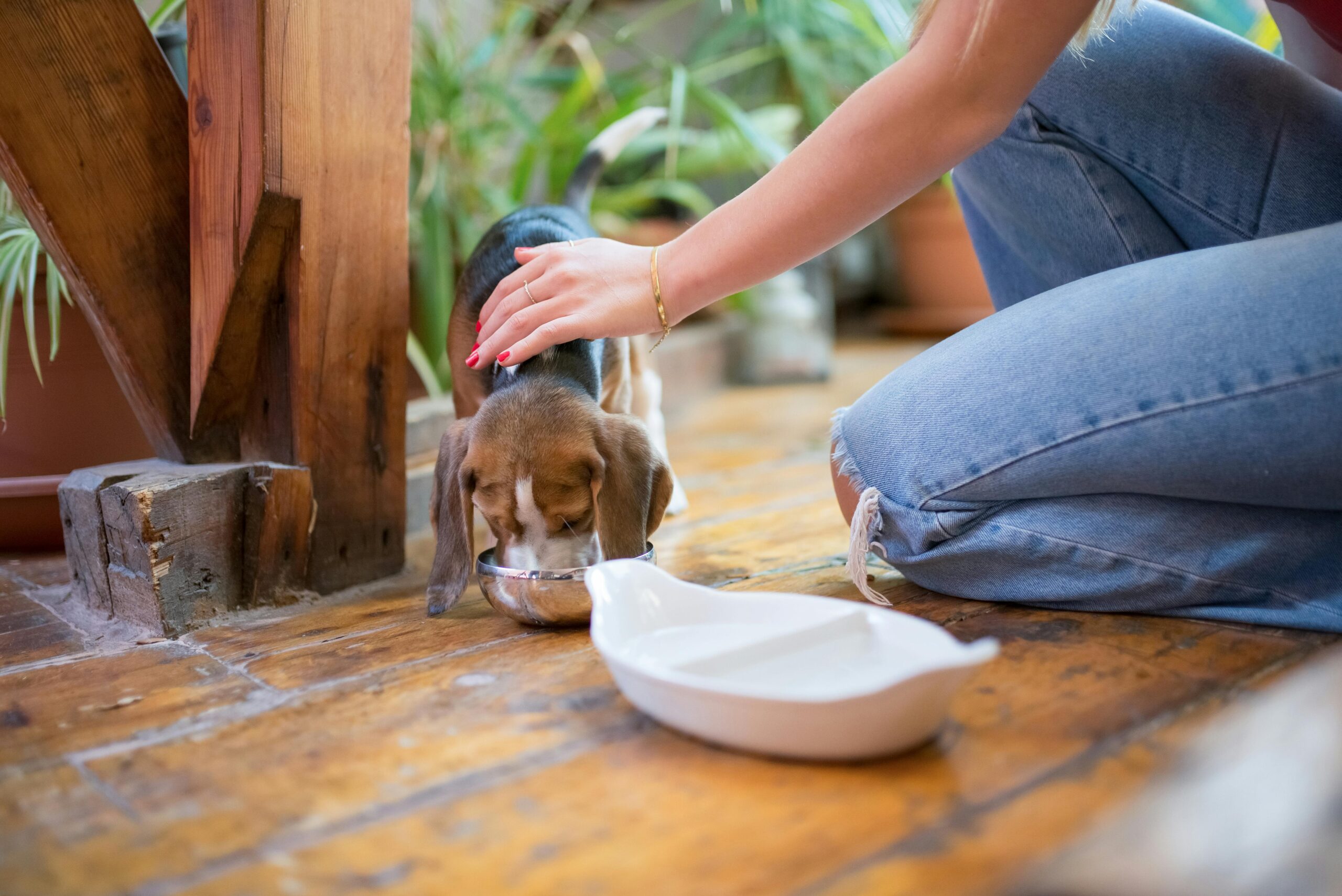
Choose bowls made from stainless steel or ceramic rather than plastic. These materials are easier to clean, don’t retain odors, and won’t leach chemicals into the water. The bowl should be appropriately sized—large enough to hold sufficient water but not so deep that your small puppy struggles to reach the water comfortably.
Location matters significantly. Place water bowls in multiple locations throughout your home, especially in areas where your puppy spends most of their time. Having water accessible in different rooms eliminates the barrier of your puppy needing to travel far for a drink, which is particularly important for young puppies with limited bladder control and shorter legs.
Smart Bowl Placement Strategy
- Keep one bowl near your puppy’s feeding area for post-meal hydration
- Place a bowl in or near their sleeping area for overnight access
- Position bowls in main living areas where family activities occur
- Ensure outdoor play areas have dedicated water stations during warm weather
- Avoid placing bowls near litter boxes or in high-traffic areas where they might get knocked over
Maintaining Water Freshness and Bowl Hygiene ✨
Fresh, clean water is just as important as quantity. Stagnant water not only tastes unappealing to your puppy but can also harbor harmful bacteria, algae, and other contaminants that pose health risks.
Make it a habit to refresh your puppy’s water at least twice daily—once in the morning and once in the evening. During hot weather or after vigorous play sessions, you may need to change the water more frequently. Empty the bowl completely each time, give it a quick rinse, and refill with fresh water.
Weekly deep cleaning is essential for maintaining hygiene. Wash all water bowls thoroughly with hot, soapy water, scrubbing away any biofilm or residue that accumulates on the surfaces. Rinse completely to remove all soap traces, as residual cleaning products can deter puppies from drinking or cause stomach upset.
Temperature Matters: Serving Water Right 🌡️
The temperature of your puppy’s water can significantly impact how much they drink. While dogs can tolerate a wide range of water temperatures, certain temperatures are more appealing and beneficial than others.
Room temperature water is generally the best choice for everyday hydration. It’s comfortable to drink and doesn’t shock your puppy’s system. During summer months, you can offer slightly cooled water to help your puppy regulate their body temperature, but avoid ice-cold water as it can cause stomach cramps and may discourage drinking.
Adding a few ice cubes to your puppy’s water bowl during hot weather can keep water cool and fresh for longer periods. Many puppies also enjoy playing with and crunching ice cubes, turning hydration into an entertaining activity. Just monitor that your puppy doesn’t consume ice too quickly, which can lead to brain freeze or stomach discomfort.
Special Hydration Considerations for Puppies 🎯
Puppies in their first few weeks of life receive all necessary hydration from their mother’s milk or puppy formula if they’re orphaned. However, once weaning begins around three to four weeks of age, introducing water becomes crucial for their development.
During the transition period, puppies may need encouragement to drink water. You can make water more appealing by wetting your finger and letting them lick it, gradually leading them to the water bowl. Some puppies instinctively start drinking when they see or hear running water, so gently moving your finger through the water can attract their attention.
For puppies with established poor drinking habits, there are creative solutions to increase water intake. Adding small amounts of low-sodium chicken or beef broth to their water can make it more enticing. Just ensure that flavored water doesn’t become their only option, as they need to learn to drink plain water for situations when flavored options aren’t available.
Hydration During Training and Exercise Sessions 🏃
Active puppies require extra attention to hydration, especially during training sessions and physical activities. Puppies naturally have boundless energy and may not recognize their own hydration needs when they’re excited and engaged.
For training sessions longer than 15-20 minutes, offer water breaks every 10-15 minutes. This prevents overexertion and helps your puppy associate training with positive experiences. Keep a portable water bottle and collapsible bowl in your training kit so water is always accessible during outdoor activities.
After exercise, allow your puppy to rest for a few minutes before offering water. Drinking too quickly immediately after intense activity can lead to bloating or stomach discomfort. Offer small amounts initially, then allow unrestricted access once their breathing has normalized and they’ve cooled down.
Seasonal Hydration Challenges and Solutions ☀️❄️
Different seasons present unique hydration challenges that require adaptive strategies to keep your puppy properly hydrated year-round.
Summer brings the greatest hydration risks due to increased water loss through panting and sweating through paw pads. During hot months, monitor your puppy closely for signs of overheating, provide shaded areas with accessible water, and limit outdoor activities during peak temperature hours. Consider placing multiple water stations throughout your yard if your puppy spends time outside.
Winter presents opposite but equally important challenges. Cold weather reduces thirst sensation, and outdoor water sources may freeze. Keep water bowls indoors in heated areas, check outdoor water frequently for freezing, and consider heated water bowl options if your puppy spends extended time outside. Remember that winter activities like playing in snow still require adequate hydration.
Traveling and On-the-Go Hydration Tips ✈️
Maintaining proper hydration becomes more challenging when you and your puppy are away from home. Whether you’re taking a quick trip to the vet or embarking on a longer journey, planning ahead ensures your puppy stays hydrated.
Invest in a quality travel water bottle designed specifically for dogs, featuring attached bowls or dispensing mechanisms that minimize spills. Keep this bottle in your car at all times along with a portable bowl. For longer trips, pack extra water from home, as sudden changes in water sources can sometimes cause minor stomach upset in sensitive puppies.
Never leave your puppy in a parked vehicle, even with water available. Cars heat up rapidly, creating dangerous conditions that no amount of water can mitigate. If you must bring your puppy on errands, ensure you can bring them with you or have someone stay with them in a climate-controlled environment.
Technology and Tools for Monitoring Hydration 📱
Modern pet care has embraced technology, offering innovative solutions to help pet parents monitor and encourage proper hydration. Smart water bowls with built-in sensors can track how much your puppy drinks throughout the day, sending notifications to your smartphone if drinking patterns change significantly.
Automatic water fountains provide continuously circulating water, which many puppies find more appealing than still water in traditional bowls. The movement and sound of flowing water can encourage reluctant drinkers to consume more fluids. These fountains also typically feature filtration systems that keep water cleaner for longer periods.
Water tracking apps can help you log your puppy’s daily water intake, creating patterns that make it easier to identify when consumption drops or spikes unexpectedly. This data can be invaluable when discussing health concerns with your veterinarian, providing concrete information rather than estimates.
When to Consult Your Veterinarian 👨⚕️
While most hydration concerns can be addressed through improved practices at home, certain situations require professional veterinary attention. Never hesitate to contact your vet if you’re concerned about your puppy’s hydration status or drinking behaviors.
Seek immediate veterinary care if your puppy refuses water for more than 12 hours, shows multiple signs of dehydration, experiences vomiting or diarrhea alongside reduced water intake, or displays sudden dramatic changes in drinking patterns. Excessive thirst can sometimes indicate underlying health issues like diabetes or kidney problems, requiring prompt diagnosis and treatment.
Your veterinarian can perform tests to assess hydration status accurately and recommend specific interventions if needed. They can also provide personalized guidance based on your puppy’s breed, size, activity level, and any existing health conditions that might affect hydration requirements.
Building Lifelong Healthy Hydration Habits 🌟
The habits you establish during puppyhood will influence your dog’s relationship with water throughout their entire life. By prioritizing hydration from the beginning, you’re setting the foundation for optimal health and longevity.
Make hydration monitoring part of your daily routine, just like feeding and exercise. Observe how much your puppy drinks, note any changes in patterns, and adjust your strategies as needed. Celebrate hydration milestones and make drinking water a positive experience rather than a chore.
Remember that every puppy is unique, with individual preferences and needs. What works perfectly for one puppy may not suit another. Stay flexible, remain observant, and don’t be afraid to experiment with different bowl types, locations, and encouragement strategies until you find what works best for your specific furry friend.
Proper hydration is truly one of the simplest yet most impactful gifts you can give your puppy. By following these essential tips and remaining attentive to your puppy’s needs, you’re ensuring they grow into a happy, healthy, and well-hydrated companion who will bring joy to your life for many years to come. The effort you invest in establishing good hydration habits today will pay dividends in your dog’s health, energy, and quality of life throughout all their tomorrows.