Staying hydrated is one of the simplest yet most powerful ways to support your overall health and wellness. Despite its importance, many people struggle to maintain proper hydration throughout the day.

Our bodies are composed of approximately 60% water, making hydration essential for virtually every bodily function. From regulating body temperature and supporting digestion to maintaining cognitive function and promoting healthy skin, water plays a crucial role in keeping us functioning optimally. Yet, studies suggest that up to 75% of people live in a state of chronic dehydration without even realizing it. This silent health issue can manifest in fatigue, headaches, decreased concentration, and a weakened immune system.
Building sustainable hydration habits doesn’t require complicated routines or expensive equipment. By understanding your body’s needs and implementing simple, effective strategies, you can transform your daily wellness journey. This comprehensive guide will explore practical hydration habits that seamlessly integrate into your lifestyle, helping you feel more energized, focused, and refreshed throughout your day.
Understanding Your Body’s Hydration Needs 💧
Before diving into specific habits, it’s essential to understand how much water your body actually needs. While the classic “eight glasses a day” rule is a good starting point, individual hydration needs vary significantly based on several factors including body weight, activity level, climate, and overall health status.
A more personalized approach involves calculating approximately half an ounce to one ounce of water per pound of body weight. For someone weighing 150 pounds, this translates to roughly 75-150 ounces of water daily. However, this baseline increases with physical activity, hot weather, illness, or pregnancy.
Your body provides clear signals when it needs hydration. Thirst is an obvious indicator, but by the time you feel thirsty, you’re already experiencing mild dehydration. Other signs include dark yellow urine, dry lips and skin, fatigue, dizziness, and decreased urination frequency. Learning to recognize these early warning signs helps you stay ahead of dehydration rather than constantly playing catch-up.
Morning Hydration Rituals That Set the Tone
Your hydration journey begins the moment you wake up. After six to eight hours of sleep without water intake, your body naturally experiences mild dehydration. Starting your morning with intentional hydration can dramatically impact your energy levels and cognitive function throughout the day.
The Power of Waking Up with Water
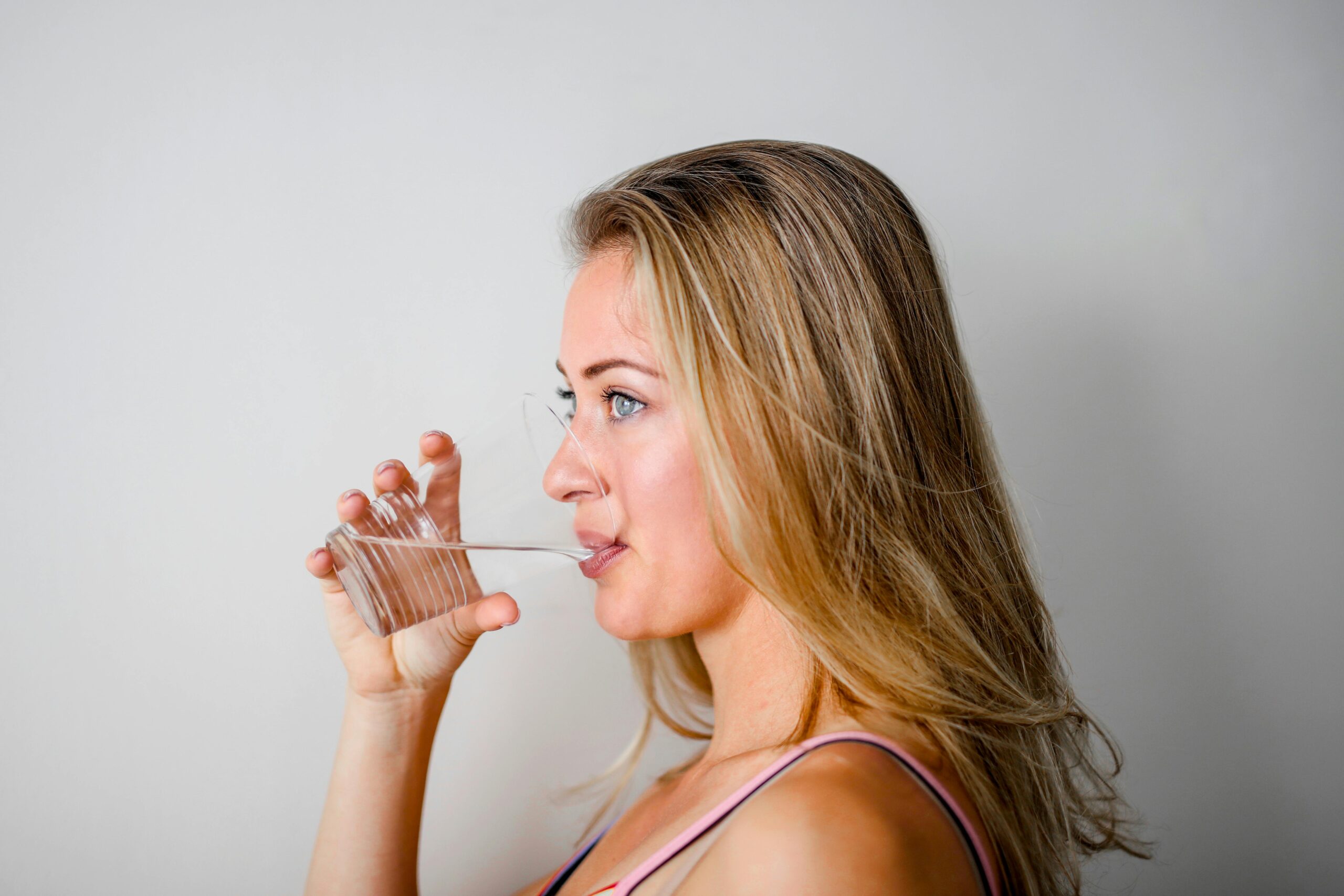
Keep a glass or bottle of water on your nightstand and make drinking it your very first morning activity, even before checking your phone or getting out of bed. This simple habit jumpstarts your metabolism, flushes out toxins that accumulated overnight, and rehydrates your organs as they begin their daily functions.
Consider adding a squeeze of fresh lemon to your morning water. Lemon water provides vitamin C, supports digestion, and adds a refreshing flavor that makes hydration more enjoyable. Some people also find that warm lemon water helps with gentle detoxification and provides a soothing start to the day.
Creating a Pre-Breakfast Hydration Window
Aim to consume 16-20 ounces of water within the first 30 minutes of waking. This practice, sometimes called “water loading,” has been shown to increase alertness, improve mood, and enhance metabolic function. If plain water feels challenging first thing in the morning, herbal teas or infused waters offer equally effective alternatives.
Strategic Hydration Throughout Your Day ⏰
Consistent hydration matters more than occasional large quantities of water. Spreading your water intake evenly throughout the day ensures your cells remain properly hydrated and your body functions optimally without overwhelming your system.
The Hourly Hydration Method
Set gentle reminders on your phone or use a hydration tracking app to prompt you to drink water every hour. These regular check-ins prevent long periods without hydration and help establish a sustainable rhythm. Many people find that drinking 4-8 ounces every hour feels more manageable than trying to consume large amounts less frequently.
Anchoring Hydration to Daily Activities
Connect drinking water to activities you already do regularly throughout your day. This habit-stacking technique makes hydration automatic rather than something you need to remember consciously. Drink water before each meal, after using the bathroom, during commercial breaks, or whenever you transition between tasks at work.
For office workers, keeping a large water bottle at your desk serves as both a visual reminder and an easy access point. Choose a bottle with measurement markers to track your progress and celebrate small wins as you reach each milestone throughout the day.
Hydration During Physical Activity and Exercise 🏃♀️
Physical activity increases your hydration needs significantly. Sweating, elevated body temperature, and increased respiration all contribute to fluid loss that must be replenished for optimal performance and recovery.
The American Council on Exercise recommends drinking 17-20 ounces of water two to three hours before exercise, 8 ounces 20-30 minutes before starting, 7-10 ounces every 10-20 minutes during exercise, and 8 ounces within 30 minutes after finishing your workout.
For intense workouts lasting longer than an hour, consider beverages that replace electrolytes alongside fluids. Electrolytes like sodium, potassium, and magnesium are lost through sweat and play crucial roles in muscle function, nerve signaling, and fluid balance. Natural options include coconut water, while sports drinks can be beneficial for extended, high-intensity activities.
Recognizing Exercise-Related Dehydration
Monitor your body weight before and after exercise. For every pound lost during activity, drink 16-24 ounces of water to properly rehydrate. Other signs of exercise-related dehydration include muscle cramps, excessive fatigue, dizziness, rapid heartbeat, and decreased performance.
Making Water More Appealing and Accessible 🍋
One common barrier to consistent hydration is simply finding water boring or unappetizing. Fortunately, numerous strategies can make drinking water more enjoyable without adding significant calories or unhealthy ingredients.
Natural Flavor Infusions
Transform plain water into a refreshing beverage by infusing it with natural ingredients. Popular combinations include cucumber and mint, strawberry and basil, orange and blueberry, or watermelon and rosemary. Prepare infused water the night before, allowing flavors to meld in the refrigerator overnight for maximum taste.
Herbal teas, both hot and iced, count toward your daily hydration goals and offer the added benefits of antioxidants and various health-promoting compounds. Chamomile, peppermint, hibiscus, and green tea provide diverse flavors while supporting different aspects of wellness.
Temperature and Presentation Matter
Some people prefer ice-cold water, while others find room temperature or warm water more palatable. Experiment to discover your preference, and don’t be afraid to vary temperature throughout the day based on weather, activity level, and personal comfort.
Invest in a water bottle you genuinely enjoy using. Whether you prefer insulated stainless steel, glass with a protective sleeve, or BPA-free plastic with motivational markers, choosing a bottle that appeals to you increases the likelihood you’ll consistently use it.
Hydration Through Food Sources 🥒
While beverages are the primary hydration source, approximately 20% of daily fluid intake typically comes from food. Incorporating water-rich foods into your diet provides hydration alongside essential nutrients, fiber, and beneficial compounds.
Fruits with high water content include watermelon (92% water), strawberries (91%), cantaloupe (90%), peaches (89%), and oranges (88%). These refreshing options make excellent snacks, smoothie ingredients, or dessert alternatives that simultaneously satisfy sweet cravings and support hydration.
Vegetables also contribute significantly to hydration. Cucumbers (96% water), lettuce (95%), celery (95%), zucchini (94%), and tomatoes (94%) are among the most water-dense options. Building salads, vegetable-based soups, and crunchy snack platters around these ingredients helps maintain hydration while providing vitamins, minerals, and phytonutrients.
Hydrating Meal Ideas
Consider starting meals with broth-based soups, which provide both hydration and satiety. Smoothie bowls packed with frozen fruits, leafy greens, and coconut water offer nutrient-dense, hydrating breakfast or snack options. Gazpacho, fruit salads, and vegetable-forward dishes naturally support your hydration goals while delivering balanced nutrition.
Overcoming Common Hydration Challenges 🚧
Despite understanding hydration’s importance, many people face obstacles that prevent consistent water intake. Identifying and addressing these challenges creates pathways to sustainable habits.
The “I Forget to Drink” Problem
For those who simply forget to hydrate, technology offers helpful solutions. Hydration reminder apps send notifications at customizable intervals, while smart water bottles track consumption and illuminate when it’s time to drink. Visual cues like moving your water bottle to different locations throughout the day also serve as effective reminders.
Frequent Bathroom Trips
Increased urination when first improving hydration habits is normal as your body adjusts. Over time, your bladder adapts to increased fluid intake. If bathroom frequency remains disruptive, try distributing water intake more evenly throughout the day rather than consuming large amounts at once, and reduce intake in the hours before bedtime.
Taste Preferences and Plain Water Aversion
If you genuinely dislike plain water, don’t force it. Experiment with the flavor infusions, herbal teas, and water-rich foods mentioned earlier. Sparkling water provides an alternative texture, and adding a splash of 100% fruit juice creates flavor without excessive sugar.
Seasonal Hydration Adjustments ☀️❄️
Your hydration needs fluctuate with seasons, requiring adjustments to maintain optimal fluid balance year-round.
Summer Hydration Strategies
Hot weather increases fluid loss through sweating, making hydration particularly crucial during summer months. Freeze water bottles overnight for gradually cooling refreshment throughout the day. Consume hydrating foods like frozen grapes, popsicles made from pureed fruit, and chilled soups. Wear light-colored, breathable clothing and seek shade during peak heat hours to minimize excessive fluid loss.
Winter Hydration Awareness
Cold weather often suppresses thirst signals, leading to decreased water intake despite ongoing hydration needs. Indoor heating systems create dry environments that increase insipid water loss through skin and respiration. Combat winter dehydration by drinking warm herbal teas, adding soups and stews to your meal rotation, and using a humidifier to maintain comfortable indoor humidity levels.
Tracking Progress and Building Accountability 📊
Monitoring your hydration habits provides valuable feedback and motivation for continued improvement. Various methods suit different preferences and lifestyles.
Simple paper journals work well for those who prefer analog tracking. Create a daily water intake log with hourly checkboxes or measurement tracking. Digital alternatives include specialized hydration apps that calculate personalized goals, send reminders, and provide visual progress representations.
Water bottles with time markers or measurement lines offer built-in tracking without additional tools. These bottles feature goals printed directly on the container, showing exactly where your water level should be at different times throughout the day.
Creating Social Accountability
Share your hydration goals with friends, family, or coworkers, creating mutual support and friendly competition. Challenge others to join you in improving hydration habits, comparing daily intake and celebrating milestones together. Social accountability significantly increases adherence to new habits.
The Mind-Body Connection of Proper Hydration 🧠
Beyond physical health benefits, proper hydration profoundly impacts mental and emotional wellbeing. Even mild dehydration affects mood, cognitive performance, and stress levels.
Research consistently demonstrates that dehydration impairs concentration, working memory, and executive function. Students who drink water before exams perform better than those who don’t. Office workers who maintain hydration report improved productivity and fewer headaches.
Hydration also influences mood regulation. Studies show that even 1-2% dehydration increases feelings of anxiety, fatigue, and irritability while decreasing overall sense of wellbeing. By contrast, proper hydration supports emotional stability, resilience, and positive mental states.
Transforming Hydration Into a Sustainable Lifestyle 🌟
The key to lasting hydration habits lies in viewing them not as temporary changes but as permanent lifestyle integrations. Start small, choosing one or two strategies that feel most achievable, and gradually build from there.
Celebrate progress rather than perfection. Some days you’ll hit your hydration goals effortlessly, while others present challenges. This natural fluctuation doesn’t indicate failure but rather reflects the reality of building new habits. Self-compassion and persistence matter more than perfection.
Regularly reassess your hydration strategies, adjusting as your life circumstances, seasons, and needs change. What works during a sedentary winter week may need modification during an active summer vacation. Flexibility ensures your hydration habits remain sustainable long-term.
Remember that establishing consistent hydration is a gift you give your body every single day. Each glass of water supports countless cellular processes, organ functions, and overall vitality. By prioritizing hydration, you’re investing in energy, clarity, health, and longevity.
Your daily wellness journey begins with simple choices repeated consistently. Hydration represents one of the most accessible, affordable, and effective wellness practices available. Start today with that first glass of water, and watch how this foundational habit ripples positively throughout every aspect of your life. Stay refreshed, stay consistent, and let proper hydration become your wellness superpower.