Staying properly hydrated while traveling can make the difference between an unforgettable adventure and a miserable experience. Whether you’re trekking through desert landscapes, exploring bustling cities, or backpacking across continents, maintaining optimal hydration levels is crucial for your health, energy, and overall enjoyment.

Water is the foundation of human survival, yet it’s surprisingly easy to become dehydrated when you’re caught up in the excitement of exploration. Travel presents unique hydration challenges: unfamiliar climates, different altitudes, varying water quality, packed schedules, and the simple fact that you’re constantly on the move. This comprehensive guide will equip you with everything you need to stay hydrated anywhere your adventures take you.
🌍 Understanding Your Hydration Needs While Traveling
Your body’s water requirements aren’t static—they fluctuate based on numerous factors that intensify during travel. The average person needs about 2-3 liters of water daily under normal conditions, but travel dramatically changes this equation.
Climate plays a massive role in hydration demands. Hot, humid environments cause increased sweating, while high altitudes accelerate water loss through respiration. Even cold climates are deceptive, as you lose moisture through breathing in dry air without the obvious reminder of sweat. Air travel itself is notoriously dehydrating, with cabin humidity levels often below 20%—drier than most deserts.
Physical activity amplifies these needs exponentially. Hiking, cycling, swimming, or simply walking with a heavy backpack through airport terminals increases your fluid requirements. Add jet lag, altered sleep patterns, and dietary changes into the mix, and your body faces a perfect storm of hydration challenges.
Signs of Dehydration Every Traveler Should Recognize
Recognizing dehydration early prevents minor discomfort from escalating into serious health issues. The classic signs include:
- Dark yellow urine or infrequent urination
- Persistent thirst and dry mouth
- Headaches and dizziness
- Fatigue and reduced concentration
- Dry skin and chapped lips
- Muscle cramps and weakness
Severe dehydration manifests as extreme thirst, confusion, rapid heartbeat, and sunken eyes. If you experience these symptoms, seek immediate medical attention. Prevention is always easier than treatment, especially when you’re far from familiar healthcare facilities.
💧 Planning Your Hydration Strategy Before Departure
Successful travel hydration begins long before you board your plane or hit the road. Proper planning ensures you’re never caught without access to safe drinking water, regardless of your destination’s infrastructure or water quality.
Research your destination’s water situation thoroughly. Is tap water safe to drink? What’s the local bottled water availability and cost? Are there areas along your route with limited water access? Understanding these factors shapes your hydration strategy and equipment choices.
Essential Hydration Gear for Every Adventure
Investing in quality hydration equipment pays dividends throughout your travels. Your core hydration kit should include:
- Reusable water bottle: Choose insulated stainless steel for temperature control or collapsible options for space-saving
- Water purification system: Filters, purification tablets, or UV sterilizers for questionable water sources
- Hydration bladder: For extended hikes and outdoor activities requiring hands-free drinking
- Electrolyte supplements: Powder packets or tablets to restore minerals lost through sweating
- Portable water testing kit: For assessing water safety in remote locations
The best water bottle is the one you’ll actually use consistently. Consider factors like weight, durability, ease of cleaning, and how well it fits in your bag’s side pockets or cup holders.
✈️ Hydration Strategies for Different Travel Scenarios
Different travel styles demand tailored hydration approaches. What works for a luxury resort vacation won’t necessarily suit a multi-day wilderness trek.
Air Travel Hydration
Airplane cabins are extremely dehydrating environments. Combat this by drinking at least 250ml of water for every hour of flight time. Bring an empty reusable bottle through security and fill it at water fountains near your gate. Avoid excessive alcohol and caffeine, which accelerate dehydration.
Set reminders on your phone to drink regularly, especially on long-haul flights where you might sleep through several hours. Request extra water from flight attendants without hesitation—staying hydrated is essential for reducing jet lag and arriving at your destination feeling refreshed.
Urban Exploration and City Travel
Cities offer abundant water access but present their own challenges. Constantly ducking into cafés to buy bottled water becomes expensive and environmentally wasteful. Instead, identify public water fountains, carry a filtration bottle if tap water quality is questionable, and plan your routes around free water refill stations.
Many cities now participate in refill programs with participating businesses displaying stickers indicating they’ll fill your bottle for free. Apps can help you locate these spots, along with public fountains and safe water sources.
Wilderness and Remote Adventure Hydration
Backcountry travel requires the most comprehensive hydration planning. Calculate your water needs based on distance, elevation gain, temperature, and exertion level. The general wilderness hydration formula is 500ml per hour of moderate hiking, increased by 50-100% in hot conditions or challenging terrain.
Never rely on finding water sources without verifying their existence through recent trip reports or local rangers. Always carry enough water to reach your next confirmed source, plus a safety margin. Learn to identify and treat natural water sources properly—streams, springs, and lakes require purification to eliminate bacteria, viruses, and parasites.
🧊 Water Purification Methods for Travelers
Access to clean drinking water isn’t guaranteed everywhere you travel. Contaminated water causes serious illnesses that can derail your entire trip. Understanding purification methods empowers you to safely hydrate from virtually any water source.
| Method | Effectiveness | Speed | Best For |
|---|---|---|---|
| Boiling | Kills all pathogens | 10+ minutes | Camping with cooking equipment |
| Pump filters | Removes bacteria & protozoa | 1-2 liters/minute | Group travel, base camps |
| Gravity filters | Removes bacteria & protozoa | Passive filtering | Camp use, large volumes |
| UV sterilizers | Kills viruses, bacteria, protozoa | 60-90 seconds | Clear water, individual use |
| Chemical tablets | Kills most pathogens | 30+ minutes | Emergency backup, ultralight travel |
| Filter bottles | Removes bacteria & protozoa | Immediate drinking | Urban travel, light hiking |
Combine methods for maximum protection in high-risk areas. For example, filter sediment first, then use UV sterilization to kill remaining pathogens. Always carry backup purification options in case your primary method fails.
🥤 Beyond Water: Complete Hydration Nutrition
Proper hydration isn’t just about water quantity—it’s about maintaining electrolyte balance and providing your body with the minerals it needs to function optimally. When you sweat, you lose sodium, potassium, magnesium, and other crucial electrolytes that water alone can’t replace.
Sports drinks and electrolyte supplements become essential during intense activity or in hot climates. However, many commercial options contain excessive sugar and artificial ingredients. Natural alternatives include coconut water, which provides natural electrolytes, or making your own solution with water, a pinch of salt, lemon juice, and a small amount of honey.
Hydrating Foods for Travelers
Strategic food choices contribute significantly to hydration status. Water-rich foods provide both fluids and nutrients:
- Cucumbers (96% water)
- Watermelon and other melons (90-92% water)
- Oranges and citrus fruits (86-88% water)
- Tomatoes (94% water)
- Strawberries (91% water)
- Plain yogurt (88% water)
- Lettuce and leafy greens (95-96% water)
These foods are often readily available at local markets worldwide and provide a refreshing hydration boost between water breaks. They’re particularly valuable when you need to rehydrate but your stomach can’t handle large volumes of plain water.
📱 Technology and Apps for Hydration Tracking
Modern technology offers powerful tools for monitoring and optimizing hydration. Smart water bottles with built-in tracking, smartphone apps with customizable reminders, and wearable devices that calculate hydration needs based on activity levels all help maintain consistent water intake.
Hydration tracking apps allow you to log water consumption, set personalized goals based on your weight and activity level, and receive notifications when it’s time to drink. Many integrate with fitness trackers to automatically adjust recommendations based on your daily movement and exercise intensity.
While technology helps, don’t become entirely dependent on it. Battery failures happen at inconvenient times, especially during extended backcountry trips. Develop body awareness and learn to recognize your natural thirst signals and hydration status without relying solely on apps.
🌡️ Adapting to Extreme Environments
Extreme environments amplify hydration challenges exponentially. Each extreme climate type requires specific adaptation strategies.
Desert and Hot Climate Hydration
Hot, arid environments present obvious hydration challenges. Start each day fully hydrated, drinking 500ml-1 liter before beginning activities. Wear light-colored, breathable clothing that wicks moisture away from skin. Create shade whenever possible and schedule strenuous activities during cooler morning or evening hours.
In extreme heat, you can lose 1-2 liters of sweat per hour. Drink small amounts frequently rather than large volumes infrequently—your body absorbs water more efficiently this way. Monitor urine color and frequency as your primary hydration gauge.
High Altitude Adventures
Altitude increases water loss through increased respiration and urination. At elevations above 2,500 meters, increase your baseline water intake by 50-100%. The air is drier, your breathing rate increases, and your kidneys work harder—all demanding additional fluids.
Altitude sickness symptoms often mimic dehydration, making proper hydration both prevention and treatment. Drink enough that you’re urinating clear or pale yellow every 2-3 hours. Combine increased water intake with gradual acclimatization for optimal high-altitude performance.
Cold Weather Hydration
Cold environments create deceptive hydration challenges. You may not feel thirsty, but your body loses substantial moisture through breathing in dry, cold air. Additionally, cold induces increased urination (cold diuresis), further depleting fluid levels.
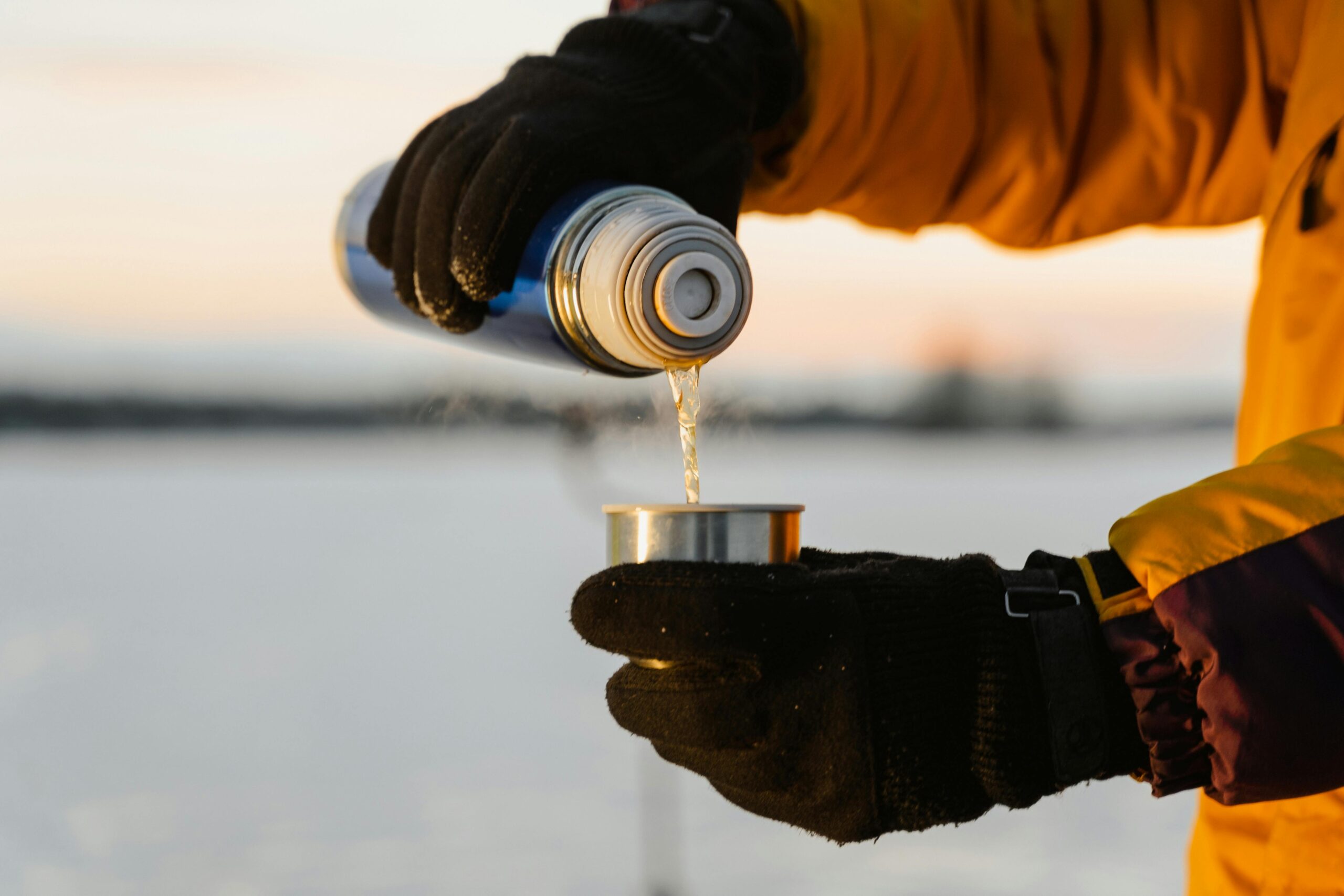
Insulated bottles prevent water from freezing, while keeping them inside your jacket uses body heat for temperature regulation. Warm beverages encourage consumption when cold water seems unappealing. Herbal teas, warm lemon water, and soups all contribute to hydration while providing welcome warmth.
💼 Practical Travel Hydration Hacks
Experienced travelers develop efficient systems for maintaining hydration without hassle. These practical strategies streamline your hydration routine:
- The 1-1-1 rule: Drink one glass of water when you wake up, one before each meal, and one before bed
- Rubber band tracking: Place rubber bands around your water bottle, moving one each time you finish a bottle to track daily consumption
- Hotel room hydration station: Fill all available containers each evening for easy access throughout the night and morning
- Restaurant water maximization: Always accept and finish water offered at restaurants, regardless of whether you’re thirsty
- Buffer hydration: Drink extra water 1-2 hours before anticipated water scarcity periods
Develop a pre-hydration routine before flights, long bus rides, or activities where bathroom access is limited. This ensures you start adequately hydrated without creating uncomfortable situations during travel segments.
🌊 Environmental Responsibility and Sustainable Hydration
Maintaining personal hydration shouldn’t come at the planet’s expense. Single-use plastic bottles create devastating environmental impacts, particularly in developing countries with limited waste management infrastructure.
Commit to reusable bottles and purification systems that eliminate plastic waste. One quality reusable bottle and filter system prevents hundreds of plastic bottles from entering landfills and oceans annually. Many destinations now ban single-use plastics, making reusable systems not just environmentally conscious but practically necessary.
Support businesses and accommodations that provide filtered water refill stations. Your consumer choices influence market trends, encouraging more sustainable practices throughout the travel industry. When you must purchase bottled water, choose larger containers that can be refilled into your reusable bottle, minimizing plastic waste per liter consumed.
🎒 Building Your Personal Hydration System
Your ideal hydration system depends on your travel style, destinations, and personal preferences. Begin with the fundamentals and refine through experience.
For urban travelers, a 750ml filtered water bottle covers most needs. Add electrolyte packets for hot days or active sightseeing. Weekend hikers benefit from a 2-liter hydration bladder plus a backup bottle and basic purification tablets. Extended wilderness expeditions require comprehensive systems: multiple bottles, a pump or gravity filter, chemical backup, and electrolyte supplements.
Test your system before departure. Use your chosen bottles and filters at home to identify any issues with fit, function, or taste. Ensure you understand operation procedures for purification equipment—struggling with unfamiliar gear while exhausted and thirsty is miserable.
Pack redundancy for critical items. If your primary water bottle breaks or gets lost, what’s your backup plan? Bring an extra collapsible bottle, spare purification tablets, or know where you can purchase replacements at your destination.
🏃 Active Hydration During Adventure Activities
High-intensity adventures demand proactive hydration strategies that keep pace with increased demands. Whether mountain biking, rock climbing, kayaking, or trail running, proper hydration directly impacts performance and safety.
Pre-hydrate systematically before physical activities. Drink 400-600ml of water 2-3 hours before exercise, then another 200-300ml 15-20 minutes before starting. During activity, aim for 150-250ml every 15-20 minutes, adjusting based on sweat rate, temperature, and exertion level.
For activities longer than 90 minutes, incorporate electrolytes to prevent hyponatremia—a dangerous condition caused by excessive water consumption without adequate sodium replacement. Your body needs salt to retain water effectively, making electrolyte balance crucial during extended exertion.
Post-activity rehydration is equally important. Replace 150% of fluid lost through sweating—if you lost 1 kilogram during exercise, drink 1.5 liters over the following hours. This compensates for ongoing water loss through urination as your body processes the fluids.
🗺️ Regional Hydration Considerations
Different regions present unique water-related challenges requiring specialized knowledge and preparation. Research specific conditions for your destination and adapt accordingly.
Tropical regions combine high temperatures with high humidity, making sweat less effective at cooling your body. You’ll need to drink more while gaining less cooling benefit. Protect against waterborne parasites common in tropical areas by using filtration systems rated for protozoa like Giardia and Cryptosporidium.
In developing countries, even brushing teeth with tap water can cause illness. Use filtered or bottled water for all consumption, including ice cubes in drinks. Street food vendors may use questionable water—enjoy local cuisine while making informed safety decisions.
Arctic and polar regions present freezing challenges alongside extreme dryness. Water sources are abundant but require melting snow or ice, which demands fuel and time. Plan fuel supplies accordingly and never eat snow directly—it lowers your core body temperature while requiring energy to melt internally.
🌟 Making Hydration Second Nature
Transforming hydration from conscious effort into automatic habit ensures consistent wellness throughout your travels. Start building these habits before departure so they’re ingrained when you need them most.
Link water consumption to existing habits through a process called habit stacking. Every time you check your phone, take three sips of water. When you take a photo, follow with a drink. Before stepping into any building, finish whatever’s in your water bottle. These simple associations create reliable hydration rhythms.
Visual cues reinforce habits effectively. Keep your water bottle constantly visible—on your desk, beside your bed, attached to your backpack. The reminder to drink happens naturally when water is literally in your face. Choose bottles in bright colors that catch your attention regularly.
Accountability partnerships boost consistency. Travel companions can remind each other to drink, turning hydration into a shared responsibility. Solo travelers might post daily hydration updates to social media or use tracking apps with social features that create gentle peer pressure through friendly competition.
Remember that perfect hydration is unrealistic—aim for consistent adequacy rather than impossible perfection. Some days you’ll drink less than ideal, and that’s acceptable as long as your overall patterns support proper hydration. Travel should enhance your life, not become consumed by rigid rules and anxiety about every milliliter consumed.
Your adventures deserve your best physical and mental performance. Proper hydration provides the foundation for experiencing destinations fully, tackling challenges confidently, and creating lasting memories uncompromised by preventable discomfort. Master these hydration fundamentals, adapt them to your unique circumstances, and explore the world with the energy and vitality optimal hydration provides. Every destination becomes more enjoyable when you’re properly fueled with the most essential element for human life—water. 💧