Feeding a large breed dog requires more than just filling a bowl. These gentle giants have unique nutritional needs that directly impact their health, energy levels, and longevity throughout their lives.

Whether you’ve recently welcomed a Great Dane puppy into your home or you’re caring for a full-grown Mastiff, understanding optimal feeding routines is essential. Large breeds face specific challenges including joint health concerns, slower metabolism rates, and increased risk of bloat. Getting their nutrition right from the start sets the foundation for a vibrant, healthy life together.
🐕 Understanding the Unique Nutritional Needs of Large Breed Dogs
Large breed dogs—typically those weighing over 50 pounds when fully grown—have distinctly different dietary requirements compared to their smaller counterparts. Their bodies grow rapidly during puppyhood, placing enormous stress on developing bones and joints. This rapid growth phase requires careful nutritional management to prevent developmental orthopedic diseases.
Adult large breeds need nutrient-dense foods that support their substantial muscle mass without promoting excessive weight gain. Extra pounds on a big frame translate to increased pressure on joints, potentially leading to arthritis, hip dysplasia, and reduced mobility as they age.
The caloric needs of large breeds per pound of body weight are actually lower than smaller dogs. A 150-pound Newfoundland requires fewer calories per pound than a 15-pound Chihuahua. This metabolic difference means large breed formulas must be carefully balanced to provide sufficient nutrition without excess calories.
Establishing the Perfect Feeding Schedule for Your Large Breed
Timing and frequency matter significantly when feeding large dogs. Unlike small breeds that can often free-feed, large breeds benefit tremendously from structured meal times that support their digestive health and reduce serious health risks.
Puppyhood: The Foundation Phase (0-12 Months)
During the crucial puppy stage, large breed puppies should eat three to four times daily until they reach six months of age. This frequent feeding schedule helps maintain steady blood sugar levels and supports their rapid growth without overloading their digestive system.
For breeds that continue growing beyond 12 months—such as Great Danes, Irish Wolfhounds, and Saint Bernards—maintain three meals daily until they reach 18 months. This extended feeding schedule accommodates their prolonged development period.
Critical consideration: Never rush growth in large breed puppies. Controlled, steady growth prevents skeletal problems that could plague them for life. Choose puppy foods specifically formulated for large breeds, which contain appropriate calcium and phosphorus ratios.
Adult Dogs: Maintaining Peak Condition (1-7 Years)
Once your large breed reaches adulthood, transition to two meals daily—morning and evening. This twice-daily schedule offers multiple benefits:
- Significantly reduces the risk of gastric dilatation-volvulus (bloat), a life-threatening condition common in large, deep-chested breeds
- Maintains consistent energy levels throughout the day
- Prevents excessive hunger that leads to rapid eating and gulping air
- Makes portion control easier and more accurate
- Supports better digestion and nutrient absorption
Space meals at least 8-12 hours apart, typically feeding once in the morning and once in the early evening. This schedule aligns with most dogs’ natural digestive rhythms and fits conveniently into human routines.
Senior Years: Adjusting for Changing Needs (7+ Years)
As large breeds enter their senior years—generally around age 7, though this varies by breed—their metabolism slows and activity levels typically decrease. Some senior dogs benefit from splitting their daily food portion into three smaller meals, which can ease digestion and maintain steady energy.
Monitor your senior dog’s body condition closely and adjust portions accordingly. Weight gain becomes easier and more problematic in senior years, placing additional stress on aging joints.
💪 Choosing the Right Food: Quality Matters Tremendously
Not all dog foods are created equal, and this statement holds especially true for large breed formulations. The food you choose directly impacts your dog’s joint health, coat quality, energy levels, and overall longevity.
Essential Nutritional Components for Large Breeds
When selecting food for your large breed, prioritize these key nutritional elements:
Protein Quality and Quantity: Large breeds require high-quality animal protein sources as the primary ingredient. Look for named meat sources like chicken, beef, lamb, or fish rather than generic “meat meal.” Adult large breeds typically thrive on foods containing 22-26% protein, while puppies need 22-24% for proper development without excessive growth.
Controlled Fat Levels: Fat provides concentrated energy, but large breed puppies shouldn’t receive excessive amounts. Puppy formulas should contain 12-15% fat, while adult formulations can range from 12-18% depending on activity level.
Joint-Supporting Ingredients: Glucosamine and chondroitin sulfate support cartilage health and joint function. Omega-3 fatty acids from fish oil provide anti-inflammatory benefits crucial for large breeds prone to joint issues.
Appropriate Calcium-to-Phosphorus Ratio: This ratio should fall between 1:1 and 1.8:1 for large breed puppies. Excessive calcium accelerates growth too quickly, increasing the risk of developmental bone diseases.
Wet Food vs. Dry Food: Making the Right Choice
Most large breed owners find dry kibble most practical and economical. High-quality kibble provides dental benefits through mechanical chewing action and offers concentrated nutrition in manageable portions.
Wet food can be incorporated as a topper to increase palatability or for dogs with dental issues. However, feeding exclusively wet food to large breeds becomes expensive and may not provide the same dental benefits as kibble.
A combination approach—primarily kibble with occasional wet food supplementation—often works well for large breeds, providing nutritional benefits alongside variety.
🥣 Portion Control: How Much Should Your Large Breed Eat?
Determining appropriate portion sizes requires considering multiple factors beyond the feeding guidelines printed on dog food bags. Those guidelines provide starting points, but individual needs vary considerably.
Calculating Daily Caloric Needs
Adult large breeds typically require 20-30 calories per pound of body weight daily for maintenance, depending on activity level. A moderately active 100-pound Labrador Retriever needs approximately 2,000-2,500 calories daily, while a less active Great Pyrenees of the same weight might need 1,800-2,200 calories.
Working dogs, highly active breeds, and younger adults require calories at the higher end of this range. Senior dogs, less active individuals, and breeds with slower metabolisms need fewer calories to maintain ideal body condition.
Using Body Condition Scoring
Rather than focusing solely on weight, assess your dog’s body condition regularly. When viewing from above, you should see a discernible waist. From the side, the abdomen should tuck up behind the rib cage. You should be able to feel ribs easily without seeing them prominently.
If your dog is gaining weight, reduce daily portions by 10% and reassess after two weeks. If losing weight or appearing too thin, increase portions by 10%. Make adjustments gradually to avoid digestive upset.
🚨 Preventing Bloat: A Life-Saving Priority
Gastric dilatation-volvulus, commonly called bloat, represents one of the most serious health threats to large, deep-chested breeds. This condition occurs when the stomach fills with gas and potentially twists, cutting off blood supply. Without immediate emergency surgery, bloat is fatal.
Feeding Practices That Reduce Bloat Risk
Implement these critical feeding practices to minimize bloat risk:
- Feed two or three smaller meals rather than one large daily meal
- Use elevated feeding bowls positioned at chest height (though research is mixed on this; consult your veterinarian)
- Avoid vigorous exercise for at least one hour before and two hours after meals
- Slow down fast eaters using puzzle feeders or slow-feed bowls
- Prevent gulping water immediately after meals
- Consider adding water to dry kibble to slow eating and aid digestion
- Minimize stress during feeding times by providing a calm environment
Know the warning signs of bloat: unsuccessful attempts to vomit, excessive drooling, restlessness, distended abdomen, and signs of pain. If you suspect bloat, seek emergency veterinary care immediately—minutes matter.
🏃♂️ Coordinating Feeding with Exercise and Activity
The relationship between feeding times and physical activity significantly impacts digestive health and overall wellbeing in large breeds. Proper coordination prevents discomfort and reduces health risks.
Schedule walks and moderate exercise before meals rather than after. If your dog exercises vigorously, allow at least an hour of rest before feeding. After meals, maintain a two-hour rest period before any strenuous activity.
For working dogs or very active breeds requiring exercise multiple times daily, consider splitting food into three smaller portions fed around activity schedules. This approach maintains energy levels without overfilling the stomach before physical exertion.
Special Dietary Considerations Throughout Life Stages
Large breed nutritional needs evolve significantly from puppyhood through senior years. Adapting feeding routines to life stages optimizes health outcomes.
The Transition from Puppy to Adult Food
Transition large breed puppies to adult formulas between 12-18 months, depending on the breed. Giant breeds like Great Danes and Mastiffs benefit from puppy formula until 18-24 months, as they continue developing longer than other large breeds.
Make the transition gradually over 7-10 days, mixing increasing amounts of adult food with decreasing amounts of puppy food. This gradual shift prevents digestive upset and allows the dog’s system to adjust to different nutrient profiles.
Addressing Weight Management Challenges
Large breeds prone to weight gain—including Labrador Retrievers, Golden Retrievers, and Rottweilers—may require weight management formulas even during adult years. These formulas provide fewer calories while maintaining protein levels and essential nutrients.
If your large breed becomes overweight, address it promptly. Extra weight on a large frame accelerates joint deterioration and increases the risk of diabetes, heart disease, and reduced lifespan. Work with your veterinarian to develop a safe weight loss plan that includes appropriate caloric reduction and increased activity.
🥕 Healthy Treats and Supplementation Guidelines
Treats should comprise no more than 10% of your large breed’s daily caloric intake. With their substantial size, it’s easy to overfeed treats without realizing the caloric impact.
Choose healthy, low-calorie treat options like small pieces of carrot, green beans, or apple slices. These provide satisfying crunch and flavor without excessive calories. For training purposes, use tiny portions of regular kibble or break larger treats into smaller pieces.
When to Consider Supplements
High-quality large breed dog foods typically provide complete nutrition without supplementation. However, certain circumstances warrant additional support:
- Joint supplements containing glucosamine, chondroitin, and MSM benefit aging large breeds or those with existing joint issues
- Omega-3 fatty acid supplements support coat health, reduce inflammation, and benefit cognitive function
- Probiotics may help dogs with sensitive digestion or those recovering from illness
Always consult your veterinarian before adding supplements. Excessive supplementation, particularly of calcium during puppyhood, can cause serious health problems.
Hydration: The Often Overlooked Essential
Large breeds require substantial water intake to support their metabolic needs. A 100-pound dog needs approximately 50-100 ounces of water daily, depending on activity level, weather conditions, and diet.
Provide constant access to fresh, clean water in bowls large enough to accommodate their size without constant refilling. During hot weather or after exercise, monitor water intake to ensure adequate hydration.
Be cautious about excessive water consumption immediately after meals, as gulping large amounts of water can contribute to bloat risk. If your dog tends to gulp water rapidly, provide smaller amounts more frequently.
🩺 Monitoring Health Through Feeding Routines
Regular feeding schedules provide excellent opportunities to monitor your large breed’s health. Changes in appetite, eating speed, or food interest often signal health issues before other symptoms appear.
Document these observations regularly:
- Appetite changes—increased or decreased interest in food
- Eating speed—slower or faster than normal
- Water consumption—drinking more or less than usual
- Stool quality—consistency, color, frequency
- Body condition—weight fluctuations, muscle tone changes
- Energy levels—lethargy or hyperactivity
Share this information during veterinary visits to help identify potential health concerns early. Large breeds are stoic animals that often mask discomfort, making careful observation crucial.
Creating a Sustainable Long-Term Feeding Routine
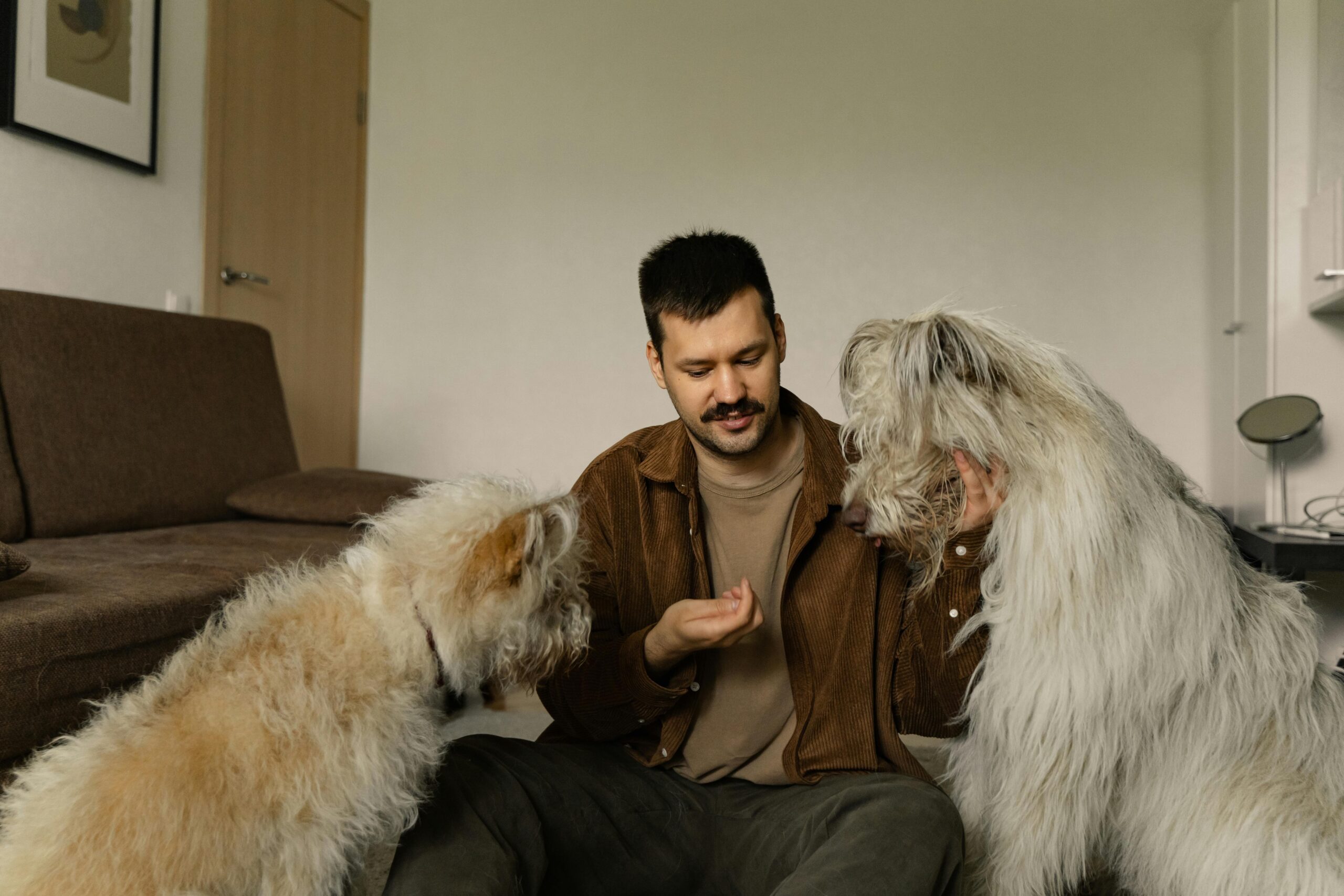
Consistency forms the cornerstone of successful feeding routines for large breeds. Dogs thrive on predictability, and regular meal times support healthy digestion, reduce anxiety, and simplify household management.
Establish a feeding routine you can maintain long-term, considering your work schedule and family commitments. If multiple family members share feeding responsibilities, ensure everyone understands portion sizes, feeding times, and any special instructions.
Keep feeding supplies organized and accessible. Store dog food in airtight containers to maintain freshness, measure portions accurately using dedicated scoops or measuring cups, and designate specific feeding locations that remain consistent.
Building optimal feeding routines for your large breed dog requires attention to detail, consistency, and willingness to adjust as needs change. By providing appropriate nutrition at the right times throughout their lives, you’re investing in years of health, happiness, and boundless energy. Your gentle giant depends on you to make wise nutritional choices that support their magnificent size and loving nature. With proper feeding routines established, you’ll enjoy watching your large breed thrive from puppyhood through their golden years, maintaining the vitality and joy that makes them such extraordinary companions. Remember, every meal is an opportunity to show love and support your dog’s wellbeing—make each one count! 🐾