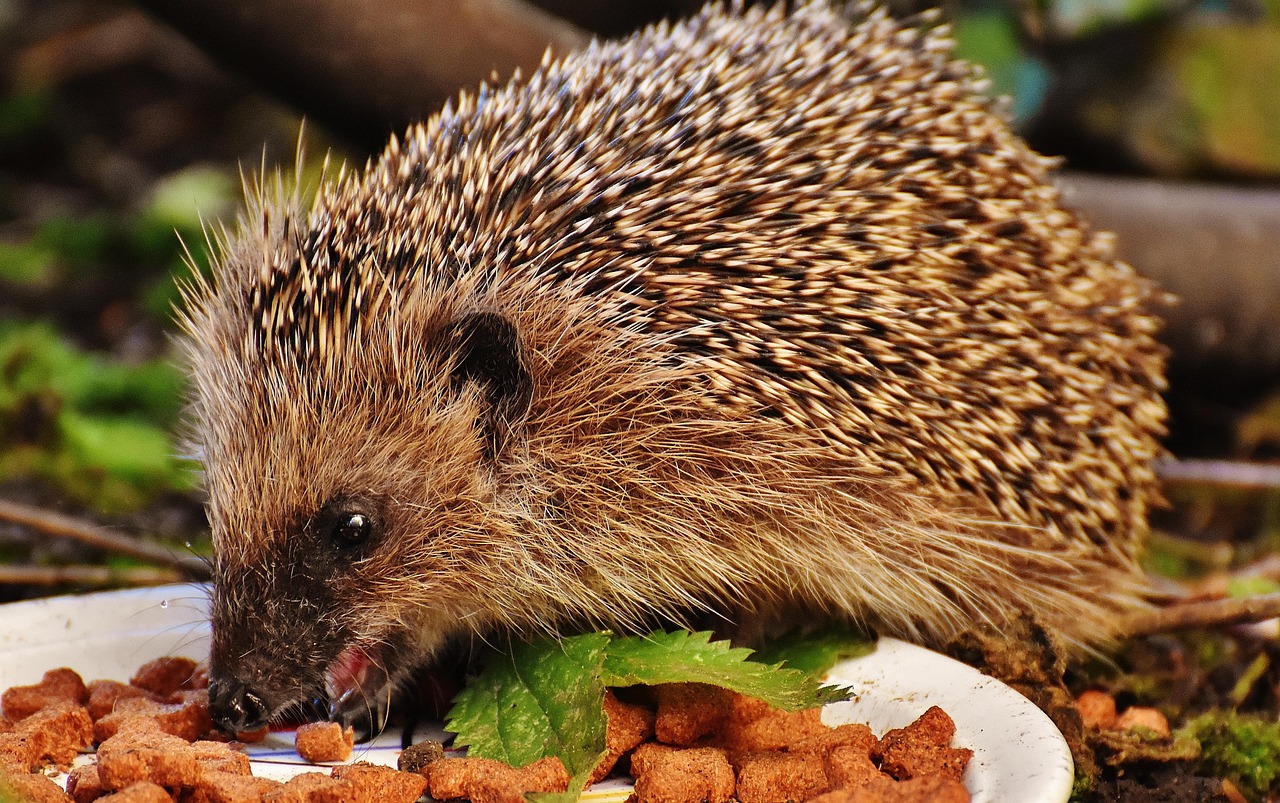
Choosing between free-feeding and scheduled feeding can significantly impact your pet’s health, behavior, and overall well-being. This decision affects everything from weight management to digestive health.

As pet owners, we constantly strive to provide the best care for our furry companions. One of the most debated topics in pet nutrition revolves around how and when we should feed our pets. Whether you have a dog, cat, or other companion animal, understanding the pros and cons of each feeding method will help you make an informed decision that suits your pet’s individual needs and lifestyle.
🍽️ Understanding Free-Feeding: The Always-Available Approach
Free-feeding, also known as ad-libitum feeding, means leaving food available for your pet throughout the day. Your pet can eat whenever they feel hungry, without restrictions on timing or portions. This method is particularly popular among cat owners and those with busy schedules.
The concept behind free-feeding stems from the idea that animals naturally regulate their food intake based on their body’s needs. In theory, this mimics how wild animals graze or hunt throughout the day rather than consuming large meals at set times.
Advantages of Free-Feeding Your Pet
Free-feeding offers several benefits that make it attractive to many pet owners. First and foremost, it provides ultimate convenience. You can fill the bowl once or twice daily and let your pet manage their own eating schedule. This is especially helpful for people with irregular work hours or those who travel frequently.
For naturally moderate eaters, free-feeding can reduce anxiety around mealtimes. Some pets become stressed when they know food is only available at certain times, leading to gulping or food aggression. With constant access, these behaviors often diminish.
Additionally, free-feeding can be beneficial for pets with certain medical conditions. Animals recovering from illness or surgery may need to eat small amounts frequently throughout the day. Nursing mothers and growing kittens also benefit from unrestricted access to nutrition.
The Drawbacks of Leaving Food Out All Day
Despite its convenience, free-feeding comes with significant disadvantages. The most concerning issue is obesity. Many pets lack the self-control to stop eating when full, especially when dealing with highly palatable commercial foods. Studies show that free-fed pets are more likely to become overweight or obese compared to those on scheduled feeding plans.
Another major concern is the difficulty in monitoring food intake. When food is always available, you can’t easily track how much your pet is eating daily. This makes it challenging to notice changes in appetite, which often serve as early warning signs of illness.
Free-feeding can also attract pests and create sanitation issues. Food left out for hours can spoil, especially wet food, leading to bacterial growth and potential foodborne illness. In multi-pet households, free-feeding makes it nearly impossible to ensure each animal receives their appropriate portion or specialized diet.
⏰ Exploring Scheduled Feeding: The Structured Meal Approach
Scheduled feeding involves providing meals at specific times throughout the day. Most pet owners who use this method feed adult pets twice daily, though puppies, kittens, and some special cases may require more frequent meals. The food is presented, and after a set period (usually 15-30 minutes), any uneaten portion is removed.
This approach mirrors how many pet owners eat their own meals and creates a predictable routine that both pets and owners can follow. It requires more planning and commitment but offers greater control over your pet’s nutrition.
Why Scheduled Feeding Works for Many Pets
Scheduled feeding provides numerous health and behavioral benefits. The most significant advantage is portion control. By measuring exact amounts at each meal, you can prevent overfeeding and maintain your pet’s ideal weight. This is crucial since obesity in pets is linked to diabetes, joint problems, heart disease, and reduced lifespan.
Monitoring your pet’s eating habits becomes much easier with scheduled meals. You’ll immediately notice if your pet skips a meal or eats less than usual, which can alert you to potential health issues before they become serious. This early detection can be lifesaving.
For households with multiple pets, scheduled feeding ensures each animal receives their proper diet. You can feed pets in separate areas or supervise mealtimes to prevent food stealing or bullying. This is especially important when pets have different nutritional needs or medical conditions requiring special diets.
Scheduled feeding also establishes routine and structure. Pets thrive on predictability, and regular mealtimes can reduce anxiety and improve overall behavior. Additionally, predictable eating schedules often lead to predictable bathroom schedules, making house-training easier and accidents less frequent.
Potential Challenges with Timed Meals
While scheduled feeding offers many benefits, it isn’t without challenges. The most obvious is the time commitment required. You must be present at specific times each day to feed your pet, which can be difficult for people with unpredictable schedules or those who work long hours.
Some pets may experience increased food anxiety with scheduled feeding, especially during the transition period. They might beg excessively, become hyperactive around mealtimes, or display food guarding behaviors. These issues usually resolve with consistency and patience.
For pets who genuinely need to eat small amounts frequently due to medical conditions like diabetes or hypoglycemia, strict scheduled feeding with only two meals daily may not provide adequate nutrition management.
🐕 Species-Specific Considerations: Dogs vs. Cats
The ideal feeding method often depends on whether you have a dog or a cat, as these species have different natural eating patterns and metabolic needs.
Feeding Strategies for Dogs
Dogs are naturally opportunistic eaters who, in the wild, would gorge when food is available. This survival instinct means most dogs lack the self-regulation needed for successful free-feeding. The vast majority of dogs do better with scheduled meals.
Scheduled feeding for dogs also supports training efforts. Meal times can be used as training opportunities, and a hungry dog is typically more motivated to learn. Additionally, the bonding that occurs during feeding strengthens the human-animal relationship.
Large breed dogs and those prone to bloat should definitely eat scheduled meals. Eating too quickly or consuming large amounts at once increases the risk of gastric dilatation-volvulus (bloat), a life-threatening emergency. Scheduled, portion-controlled meals reduce this risk.
Feeding Strategies for Cats
Cats are natural grazers who, in the wild, would eat multiple small meals throughout the day—typically 10-20 small prey items. This makes free-feeding seem like a logical choice for felines. However, the reality is more complex.
While some cats do well with free-feeding, particularly those with naturally moderate appetites, many domestic cats will overeat when food is constantly available. Indoor cats, especially, are prone to obesity due to reduced activity levels combined with unrestricted food access.
A middle-ground approach often works best for cats: offering multiple small scheduled meals throughout the day (3-5 times) rather than two large meals or unlimited access. This mimics their natural eating pattern while maintaining portion control.
📊 Comparing the Two Approaches: Key Factors
| Factor | Free-Feeding | Scheduled Feeding |
|---|---|---|
| Weight Management | Difficult; higher obesity risk | Excellent control; easier to maintain healthy weight |
| Convenience | Very convenient; fill once daily | Requires presence at specific times |
| Health Monitoring | Difficult to track intake changes | Easy to notice appetite changes |
| Multi-Pet Households | Challenging; can’t control who eats what | Easier to manage individual needs |
| Food Freshness | Food may spoil; attracts pests | Fresh food at each meal |
| Behavioral Benefits | May reduce meal-time anxiety | Establishes routine; supports training |
🎯 Finding the Right Balance for Your Pet
The truth is that feeding strategy isn’t one-size-fits-all. The best approach depends on your individual pet’s age, health status, activity level, breed, and personality, as well as your lifestyle and household situation.
When Free-Feeding Might Be Appropriate
Free-feeding can work well for pets who naturally self-regulate their food intake and maintain a healthy weight. If your pet consistently leaves food in their bowl and shows no signs of overeating, they may be a good candidate for this method.
Very young animals—puppies under six months and kittens under one year—often benefit from free-feeding or frequent small meals since they need constant energy for growth. Similarly, pregnant or nursing animals have increased caloric needs that are easier to meet with unrestricted access.
Pets with certain medical conditions, such as hypoglycemia or those recovering from illness, may require the constant food availability that free-feeding provides. Always consult your veterinarian about the best feeding strategy for pets with health issues.
When Scheduled Feeding Is the Better Choice
Scheduled feeding is ideal for pets prone to obesity or those who’ve already struggled with weight issues. If your pet will eat anything and everything in sight, scheduled meals with measured portions are essential for maintaining healthy weight.
Dogs, in particular, generally do better with scheduled feeding due to their natural tendency to overeat. Breeds prone to bloat absolutely require scheduled, portion-controlled meals to minimize health risks.
In multi-pet households, scheduled feeding provides better control and ensures each pet receives appropriate nutrition. This is crucial when pets have different dietary needs, such as a diabetic cat requiring specific food or a dog with food allergies.
🔄 Transitioning Between Feeding Methods
If you decide to change your pet’s feeding method, gradual transition is key. Abrupt changes can cause stress, digestive upset, and behavioral problems.
When moving from free-feeding to scheduled meals, start by noting how much your pet typically eats in 24 hours. Divide this amount into 2-3 meals and begin offering food at specific times. Leave the food down for 30 minutes, then remove it, regardless of whether it’s been eaten. Most pets adjust within a week.
Transitioning from scheduled to free-feeding (though less common) should also be gradual. Start by leaving a small amount of food between meals, gradually increasing the amount as you reduce meal portions.
💡 Combination Approaches and Creative Solutions
Many pet owners find success with hybrid approaches that combine elements of both methods. For example, you might offer measured amounts at scheduled times but leave the food available for several hours rather than removing it immediately.
Puzzle feeders and slow-feeding bowls can make scheduled meals last longer, satisfying pets who enjoy grazing while maintaining portion control. These tools also provide mental stimulation and prevent rapid eating.
Automatic feeders can bridge the gap between convenience and control. These devices dispense pre-measured portions at programmed times, allowing scheduled feeding even when you’re not home. This solution works particularly well for people with irregular schedules or those who need to provide multiple small meals throughout the day.
🏥 Consulting Your Veterinarian for Personalized Guidance
Before making significant changes to your pet’s feeding routine, consult with your veterinarian. They can assess your pet’s body condition score, discuss any health concerns, and recommend a feeding strategy tailored to your pet’s specific needs.
Regular veterinary check-ups help ensure your chosen feeding method is working. Your vet can track your pet’s weight, identify early signs of obesity or malnutrition, and adjust recommendations as your pet ages or their health status changes.
Remember that nutritional needs change throughout a pet’s life. What works for a young, active pet may need adjustment as they enter their senior years and become less active. Stay flexible and willing to adapt your approach as needed.
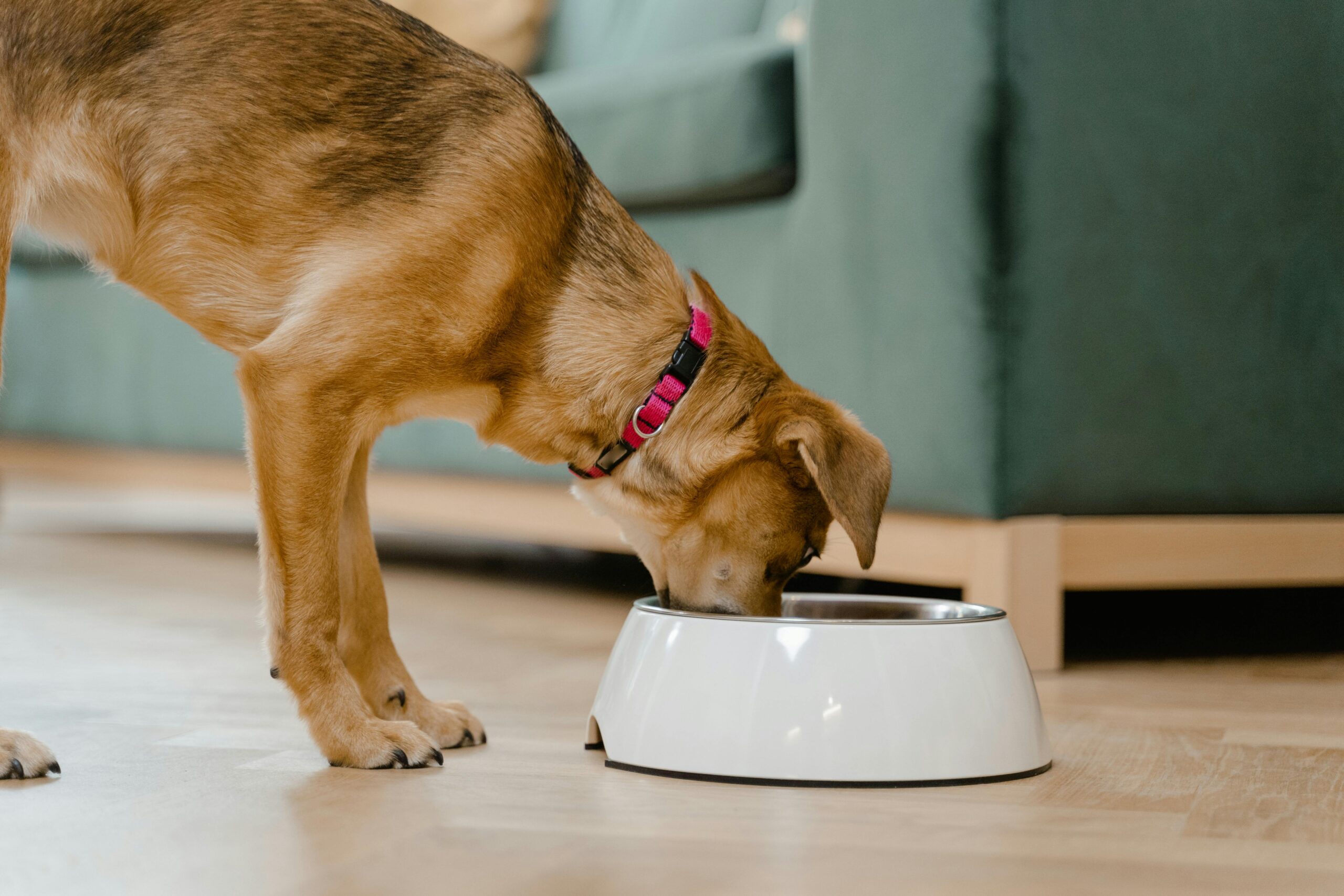
✨ Making the Best Decision for Your Furry Family Member
Both free-feeding and scheduled feeding have their place in pet care. The key is understanding your pet’s individual needs and your household circumstances. Scheduled feeding offers better weight control, easier health monitoring, and establishes routine—benefits that make it the preferred choice for most pets, especially dogs.
However, some cats and pets with special circumstances may thrive with free-feeding or modified approaches. The most important factors are maintaining a healthy weight, ensuring adequate nutrition, and creating a stress-free feeding environment.
Pay attention to your pet’s body condition, energy levels, and overall health. If your current method isn’t working—evidenced by weight gain, decreased appetite, or behavioral issues—don’t hesitate to make changes. Your pet’s health and happiness should always guide your decisions about feeding strategies.