Feeding your pet isn’t just about what you serve—it’s also about when and how you serve it. The timing of meals can significantly impact your pet’s digestion, energy levels, and overall wellbeing.

Whether you’re a new pet parent or have years of experience, understanding the nuances between wet and dry food timing can transform your furry friend’s health journey. Different food types digest at varying rates, require distinct serving approaches, and even influence your pet’s hydration and dental health in unique ways.
🐾 The Fundamental Differences Between Wet and Dry Pet Food
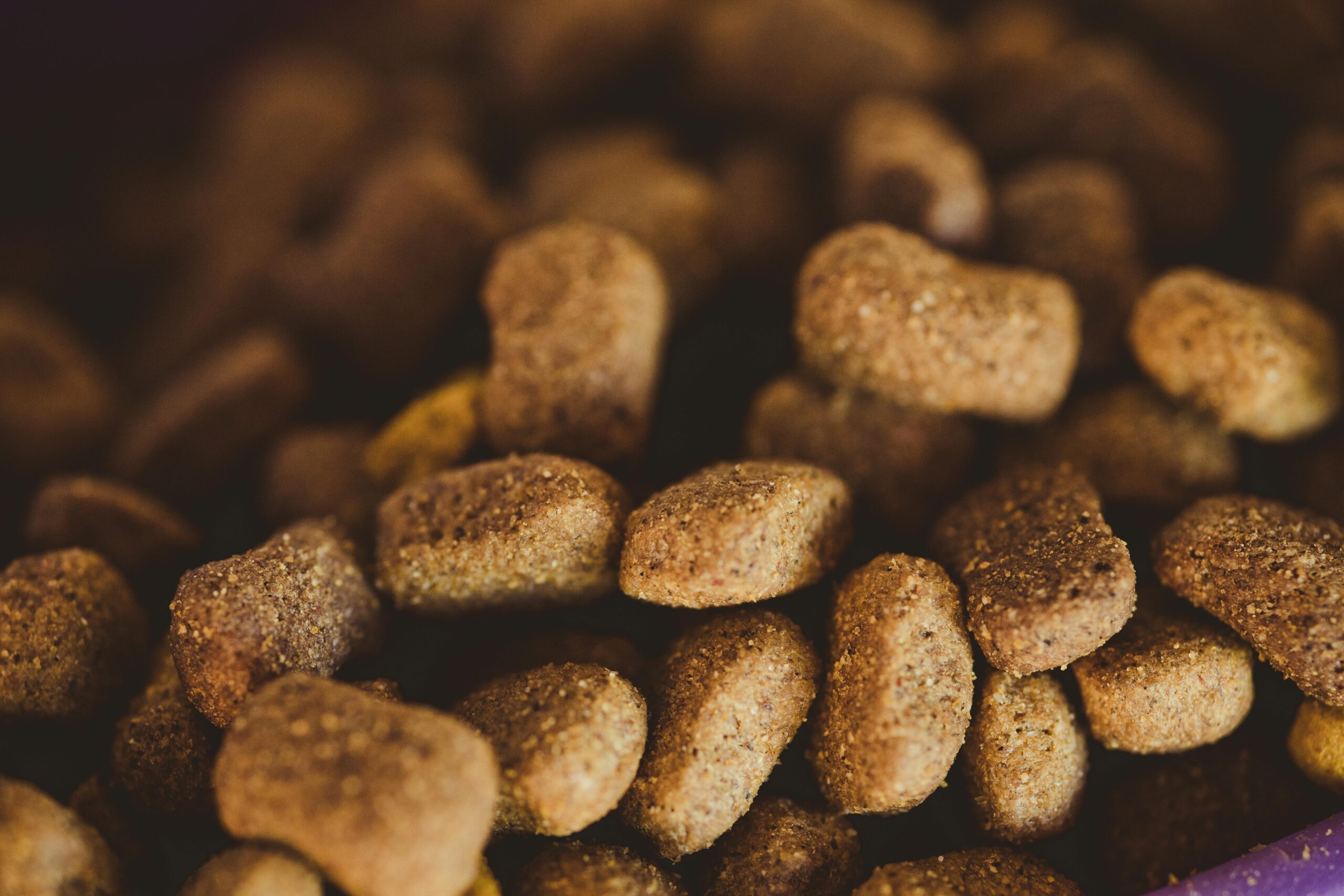
Before diving into timing strategies, it’s essential to understand what sets these two food types apart. Dry kibble typically contains around 10% moisture, while wet food can contain up to 80% water content. This dramatic difference affects not just nutritional density but also how quickly your pet feels full and how their digestive system processes each meal.
Dry food offers convenience and longer shelf life once opened, making it ideal for free-feeding scenarios. It also provides dental benefits through the mechanical action of chewing crunchy kibble. Wet food, on the other hand, offers superior hydration benefits and is often more palatable for picky eaters or pets with dental issues.
Why Mealtime Timing Matters More Than You Think
Your pet’s body operates on a circadian rhythm, just like yours. Their digestive enzymes, metabolism, and energy expenditure fluctuate throughout the day. Feeding at consistent times helps regulate their internal clock, leading to better digestion, more predictable bathroom breaks, and improved behavior patterns.
Irregular feeding schedules can contribute to anxiety, food aggression, digestive upset, and even obesity. When pets don’t know when their next meal is coming, they may overeat when food becomes available or develop resource-guarding behaviors.
Optimal Timing Strategies for Dry Food 🕐
Dry food’s lower moisture content means it takes longer to digest and provides sustained energy release. This makes it particularly suitable for certain feeding windows and pet lifestyles.
Morning Meals with Dry Kibble
Starting the day with dry food gives active pets the sustained energy they need for daytime activities. The complex carbohydrates in most kibble formulas break down gradually, preventing energy spikes and crashes. Ideally, serve breakfast 30-60 minutes after your pet wakes up, allowing their system to fully activate.
For dogs with morning exercise routines, wait at least 30 minutes after feeding before vigorous activity to reduce bloat risk. Cats, being natural grazers, can have dry food available earlier but benefit from scheduled portions rather than free-feeding all day.
Evening Dry Food Considerations
Serving dry food 2-3 hours before bedtime allows adequate digestion time. This timing reduces nighttime bathroom emergencies and promotes better sleep for both pets and owners. The fiber content in dry food aids overnight digestive processes without causing discomfort.
For working pet parents, automated feeders can dispense dry kibble at precise times, maintaining consistency even when schedules vary. This technological solution works exceptionally well with dry food due to its stability at room temperature.
🥘 Wet Food Timing: A Different Approach
Wet food requires more strategic timing due to its perishability and different nutritional profile. The high moisture content means it digests more quickly and can’t safely sit out for extended periods.
Peak Freshness Windows
Once opened, wet food should be consumed within 2-4 hours at room temperature or refrigerated immediately. This means wet food works best for controlled mealtimes rather than free-feeding situations. Serve wet food when you can supervise consumption and remove uneaten portions promptly.
The rapid digestibility of wet food makes it ideal for pets needing quick energy boosts or those recovering from illness. Senior pets with slower metabolisms often benefit from wet food’s easier digestibility.
Hydration-Boosting Meal Times
Scheduling wet food during warmer parts of the day or after exercise sessions maximizes its hydration benefits. Cats, notorious for low water intake, particularly benefit from wet food served in the afternoon when environmental temperatures peak and water consumption naturally decreases.
For dogs returning from walks or play sessions, wet food provides both nutrition and rehydration in one convenient serving. Wait 15-20 minutes after intense activity before offering wet food to allow their body temperature to normalize.
Creating the Perfect Mixed Feeding Schedule 📅
Many pet nutritionists recommend combining both food types to leverage the benefits of each. This mixed feeding approach requires careful timing coordination to optimize digestive health and nutritional absorption.
The 60/40 Split Method
One popular approach involves feeding 60% dry food and 40% wet food over the course of a day. Serve dry kibble in the morning for sustained energy, then offer wet food in the evening when hydration needs increase and digestive systems slow down naturally.
This method works particularly well for dogs with moderate activity levels and cats who need encouragement to consume adequate moisture. The variety also prevents food boredom while maintaining nutritional balance.
Alternating Day Strategy
Some pets thrive on alternating days of wet and dry food. This approach simplifies meal prep and allows pet parents to observe how their animals respond to each food type. Monday, Wednesday, and Friday might feature dry food, while Tuesday, Thursday, and weekends offer wet food.
This strategy requires monitoring to ensure consistent caloric intake, as wet food is typically less energy-dense than kibble. Adjust portion sizes accordingly to maintain healthy body weight.
Special Timing Considerations for Different Life Stages 🐶🐱
Puppies and Kittens
Young animals require frequent, smaller meals—typically 3-4 times daily until six months old. Wet food works excellently for weaning puppies and kittens due to its soft texture and palatability. Schedule these meals every 4-6 hours to maintain stable blood sugar levels during rapid growth phases.
Introduce dry food gradually around 8-10 weeks, initially moistened with water or wet food to ease the transition. As teeth develop, reduce moisture content while maintaining the same feeding schedule until transitioning to adult portions.
Adult Pet Prime Time
Adult dogs and cats generally thrive on twice-daily feeding schedules, though some do well with three smaller meals. Morning meals should occur around the same time daily, with evening meals 8-12 hours later. This spacing prevents excessive hunger while allowing complete digestion between meals.
Active adult dogs benefit from higher dry food proportions, while sedentary indoor cats often do better with more wet food to prevent urinary issues and maintain hydration.
Senior Pet Adjustments
Older pets may need smaller, more frequent meals as digestive efficiency decreases. Wet food becomes increasingly beneficial for seniors with dental problems or reduced appetite. Consider three meals daily, incorporating warming wet food to enhance aroma and palatability.
Senior pets also benefit from earlier evening meals—around 5-6 PM—reducing nighttime digestive activity and bathroom needs. This adjustment improves sleep quality and reduces accidents.
Weather and Seasonal Timing Adjustments ☀️❄️
Environmental conditions significantly impact your pet’s nutritional needs and ideal feeding times. Temperature fluctuations influence metabolism, activity levels, and hydration requirements throughout the year.
Hot Weather Feeding
During summer months, shift feeding times to cooler parts of the day—early morning and late evening. Wet food becomes particularly valuable during heat waves, providing essential moisture when pets may drink less water. Avoid midday meals when temperatures peak, as digestion generates body heat.
Refrigerate wet food before serving (but allow it to reach cool room temperature) for a refreshing meal that won’t spoil quickly in warm conditions. Increase wet food proportions during hot seasons to boost overall hydration.
Cold Weather Considerations
Winter increases caloric needs, especially for outdoor pets or those in unheated spaces. Dry food’s higher energy density makes it ideal for cold-weather feeding. Consider adding a midday meal during extreme cold to fuel metabolism and maintain body temperature.
Warm wet food slightly during winter to make it more appealing and to provide comforting warmth. This also enhances aroma, encouraging appetite in pets who may be less active during cold months.
Health Condition-Specific Timing Protocols 🏥
Weight Management Programs
Overweight pets benefit from precisely timed, portion-controlled meals that prevent grazing and mindless eating. Schedule three smaller meals daily using primarily dry food for volume and satiety. Include a small wet food portion in the evening meal for satisfaction and hydration.
Feed at exact times daily to regulate metabolism and establish predictable hunger patterns. This structure prevents begging behaviors and helps pets adjust to reduced caloric intake.
Digestive Sensitivities
Pets with sensitive stomachs often do better with smaller, more frequent meals that don’t overwhelm their digestive system. Wet food’s easier digestibility makes it preferable for many gastrointestinal conditions, served 3-4 times daily in small portions.
Maintain at least 4 hours between meals to allow complete digestion. Avoid feeding immediately after stressful events or vigorous exercise, which can trigger digestive upset in sensitive individuals.
Urinary Health Optimization
Cats prone to urinary crystals or stones benefit tremendously from wet food scheduled throughout the day to maintain consistent urine dilution. Offer wet food at least twice daily, with a final evening serving 2-3 hours before bedtime to encourage overnight urine production.
This timing pattern helps prevent concentrated urine that allows crystal formation while ensuring your cat has opportunities to use the litter box before sleeping.
Practical Implementation Tips for Busy Pet Parents ⏰
Consistency is key, but modern life presents challenges. Here are strategies to maintain optimal feeding times even with unpredictable schedules.
Preparation and Planning
Dedicate 15 minutes weekly to meal planning and preparation. Portion dry food into individual containers for quick serving. Pre-portion wet food servings in the refrigerator, calculating exact amounts needed for the week.
Set phone alarms or calendar reminders for feeding times until the routine becomes automatic. This ensures consistency even during busy or distracted days.
Technology Solutions
Automatic feeders work wonderfully for dry food, maintaining schedules when you’re away. Choose models with ice packs for wet food dispensing, though these work best for single meals rather than all-day feeding.
Smart feeders with apps allow remote feeding adjustments and monitoring, perfect for unexpected schedule changes. Some even include cameras to observe eating habits and ensure your pet consumes their meal.
Monitoring Success and Making Adjustments 📊
Implementing new feeding times requires observation and flexibility. Monitor your pet’s response over 2-3 weeks before concluding whether a schedule works effectively.
Signs of Optimal Timing
Successful feeding schedules produce consistent energy levels throughout the day without hyperactivity or lethargy. Your pet should eagerly anticipate meals without excessive begging or anxiety. Regular, well-formed bowel movements at predictable times indicate proper digestion and appropriate meal timing.
Stable body weight, healthy coat condition, and bright eyes all signal that your timing strategy supports overall health. Behavioral improvements like reduced food aggression or anxiety also indicate success.
Red Flags Requiring Changes
Vomiting, especially of undigested food, may indicate meals are too large or too close to activity periods. Excessive hunger, begging, or food-seeking behaviors between meals suggest insufficient portions or poor timing that doesn’t align with metabolic needs.
Digestive upset, irregular bathroom habits, or weight fluctuations all warrant schedule adjustments. Work with your veterinarian to identify whether timing, quantity, or food type requires modification.
Building Long-Term Healthy Feeding Habits 🌟
Establishing and maintaining optimal feeding times creates lasting benefits that extend far beyond nutrition. The structure and predictability support emotional wellbeing, reduce stress, and strengthen the bond between you and your pet.
Consistent mealtimes become anchors in your pet’s day, providing security and routine they instinctively crave. This reliability reduces anxiety-related behaviors and creates opportunities for positive interactions around food without competition or stress.
As you fine-tune your approach to wet versus dry food timing, remember that individual pets have unique needs. What works perfectly for one animal may require adjustment for another, even within the same species and breed. Stay observant, remain flexible, and prioritize your specific pet’s responses over generic guidelines.
The investment in thoughtful meal timing pays dividends in your pet’s quality of life, longevity, and daily happiness. By mastering these timing principles, you’re not just feeding your pet—you’re actively supporting their health journey every single day.