Bringing home a new puppy is an exciting adventure filled with wagging tails, wet noses, and countless precious moments. However, one of the most critical responsibilities you’ll face as a new puppy parent is establishing proper feeding schedules that support healthy growth and development throughout every stage of your furry friend’s early life.

Understanding what, when, and how much to feed your growing puppy can feel overwhelming with so much conflicting information available. The truth is that proper nutrition during puppyhood lays the foundation for a lifetime of health, vitality, and happiness. Getting it right from the start makes all the difference in your dog’s physical development, energy levels, and even their behavior.
🐾 Understanding Your Puppy’s Unique Nutritional Needs
Puppies aren’t simply miniature versions of adult dogs—they’re growing, developing beings with dramatically different nutritional requirements. During their first year of life, puppies experience rapid growth that demands significantly more calories, protein, and essential nutrients per pound of body weight than adult dogs need.
A puppy’s digestive system is also still developing, which means they need smaller, more frequent meals to properly absorb nutrients and maintain stable blood sugar levels. Large, infrequent meals can overwhelm their tiny stomachs and lead to digestive upset, while properly timed feeding schedules promote optimal nutrient absorption and prevent common issues like hypoglycemia in toy breeds.
The specific nutritional needs of your puppy will vary based on several factors including breed size, activity level, and individual metabolism. Large breed puppies, for example, require carefully controlled calcium and phosphorus ratios to prevent developmental orthopedic diseases, while small breed puppies need calorie-dense formulas to fuel their faster metabolisms.
The First Eight Weeks: Foundation Building Phase
During the first eight weeks of life, puppies should ideally remain with their mother and littermates. Mother’s milk provides complete nutrition perfectly formulated for newborn puppies, along with essential antibodies that protect against disease during this vulnerable period.
For the first three to four weeks, puppies will nurse exclusively, feeding every two to three hours around the clock. Their eyes remain closed, and they’re entirely dependent on their mother for warmth, nutrition, and stimulation. This is nature’s perfect feeding schedule—no human intervention required.
Around three to four weeks of age, the weaning process naturally begins. At this stage, breeders typically introduce a gruel made from high-quality puppy food softened with warm water or puppy milk replacer. This transitional food helps puppies learn to eat solid food while still receiving nutrition from nursing.
Orphaned Puppies and Special Circumstances
If you’re caring for orphaned puppies or those separated from their mother prematurely, you’ll need to bottle-feed with commercial puppy milk replacer every two to three hours initially. Never use cow’s milk, as it lacks proper nutrients and can cause severe digestive problems. Gradually introduce softened puppy food around three weeks of age, following the same weaning protocol.
Eight to Twelve Weeks: The Transition Period 🍽️
This is typically when puppies join their new families, making it a critical transition period for feeding schedules. When you first bring your puppy home, continue feeding the same food and schedule the breeder or shelter was using to minimize digestive upset during an already stressful transition.
Most puppies in this age range should eat four times daily, with meals spaced evenly throughout the day. A typical schedule might look like this:
- 7:00 AM – Breakfast
- 12:00 PM – Lunch
- 5:00 PM – Dinner
- 9:00 PM – Evening meal
Consistency is crucial during this stage. Feed your puppy at the same times each day in the same location, creating a predictable routine that helps with both digestion and house training. Puppies typically need to eliminate within 15-30 minutes after eating, so scheduled meals make potty training significantly easier.
Portion sizes will vary based on your puppy’s breed, size, and the specific food you’re feeding. Always follow the feeding guidelines on your puppy food packaging as a starting point, adjusting based on your individual puppy’s body condition. Your puppy should have a visible waist when viewed from above and you should be able to feel (but not prominently see) their ribs.
Three to Six Months: The Growth Spurt Stage
During this period, your puppy experiences rapid growth, and their nutritional needs are at their peak. Around three to four months of age, most puppies can transition from four meals daily to three meals. This typically coincides with improved bladder control and longer periods between potty breaks.
A three-meal schedule might look like:
- 7:00 AM – Breakfast
- 1:00 PM – Lunch
- 7:00 PM – Dinner
Continue monitoring your puppy’s body condition closely during this stage. Some puppies may go through phases where they appear slightly chubby or gangly as different parts of their body grow at different rates. This is normal, but significant overweight or underweight conditions should be addressed with your veterinarian.
Breed-Specific Considerations
Large and giant breed puppies require special attention during this growth phase. These breeds are prone to developmental orthopedic diseases if they grow too quickly, so controlled growth is essential. Feed large breed specific puppy formulas that are designed with appropriate calcium and phosphorus levels, and avoid overfeeding or supplementing with additional calcium.
Small and toy breed puppies, conversely, may need to stay on four meals daily longer due to their risk of hypoglycemia. Their tiny stomachs and fast metabolisms mean they need frequent, small meals to maintain stable blood sugar levels.
Six Months to One Year: Approaching Maturity 🌟
Around six months of age, most puppies can transition to twice-daily feeding. This schedule is more convenient for most pet parents and mimics the feeding pattern your dog will likely maintain throughout adulthood.
A typical adult-style feeding schedule includes:
- Morning meal (7:00-8:00 AM)
- Evening meal (5:00-7:00 PM)
During this stage, puppies begin approaching their adult size, though they’re still developing mentally and physically. Continue feeding puppy-formulated food until your dog reaches maturity, which varies significantly by breed. Small breeds typically mature around 9-12 months, medium breeds around 12 months, large breeds around 12-15 months, and giant breeds may not reach full maturity until 18-24 months of age.
Choosing the Right Food for Growing Puppies
The quality of food you choose is just as important as your feeding schedule. Look for puppy foods that meet AAFCO (Association of American Feed Control Officials) standards for growth and reproduction. These formulas are specifically tested to ensure they provide complete and balanced nutrition for developing puppies.
High-quality puppy foods should list a specific meat source (like chicken, beef, or salmon) as the first ingredient, not generic terms like “meat meal.” They should also contain DHA for brain and eye development, appropriate calcium and phosphorus ratios for bone growth, and easily digestible ingredients that support your puppy’s developing digestive system.
Wet Food vs. Dry Food vs. Mixed Feeding
Each feeding approach has merits. Dry kibble promotes dental health through gentle abrasion during chewing and is typically more economical. Wet food provides higher moisture content and is often more palatable for picky eaters. Many pet parents choose a mixed feeding approach, combining both types to get the benefits of each.
Whichever you choose, ensure the food is specifically formulated for puppies. Adult dog food lacks the elevated protein, fat, and calorie levels that growing puppies need.
Common Feeding Mistakes to Avoid ⚠️
Even well-intentioned puppy parents can make feeding errors that impact their dog’s health and development. Free-feeding, or leaving food available all day, is one of the most common mistakes. This approach makes house training more difficult, can lead to obesity, and prevents you from noticing changes in appetite that might signal health problems.
Overfeeding is another widespread issue. Those adorable puppy eyes can be hard to resist, but excess calories lead to unhealthy rapid growth in large breeds and obesity in all breeds. Stick to recommended portions and limit treats to no more than 10% of daily caloric intake.
Frequent food changes can cause digestive upset. While you may eventually want to switch foods, avoid constantly changing brands or proteins. When transitions are necessary, do so gradually over 7-10 days by mixing increasing amounts of new food with decreasing amounts of old food.
Special Dietary Situations and Considerations
Some puppies have special dietary needs that require adjusted feeding schedules or specialized formulas. Puppies with food allergies or sensitivities may need limited ingredient or hypoallergenic diets. Those with sensitive stomachs often benefit from highly digestible formulas with prebiotics and probiotics.
If your puppy has been diagnosed with a health condition, your veterinarian may recommend prescription therapeutic diets and specific feeding protocols. Always follow professional guidance in these situations, as proper nutrition plays a crucial role in managing many health conditions.
Treats and Training Rewards
Training treats are essential tools for puppy development, but they must be factored into your puppy’s daily caloric intake. Choose small, soft training treats that can be quickly consumed without interrupting training sessions. Remember that treats should never exceed 10% of daily calories, with 90% coming from balanced puppy food.
Healthy treat alternatives include small pieces of cooked chicken, carrots, green beans, or blueberries. These whole food options provide nutrients without excessive calories or artificial ingredients.
Monitoring Growth and Adjusting Accordingly 📊
Regular monitoring ensures your puppy’s feeding schedule is meeting their needs. Weigh your puppy weekly during rapid growth phases and monthly as they approach maturity. Track these weights to ensure steady, appropriate growth rather than dramatic spikes that could indicate overfeeding.
Body condition scoring is equally important. You should be able to feel your puppy’s ribs easily with gentle pressure but not see them prominently. They should have a visible waist when viewed from above and an abdominal tuck when viewed from the side. Adjust portions up or down by about 10% if your puppy appears too thin or too heavy, and consult your veterinarian if concerns persist.
The Role of Water in Your Puppy’s Diet 💧
While focusing on food schedules, don’t overlook the importance of fresh, clean water. Puppies should have access to water throughout the day, though you may need to remove it an hour or two before bedtime to aid house training during the night.
Monitor your puppy’s water consumption, as changes can indicate health issues. Excessive drinking might signal diabetes or kidney problems, while decreased water intake could indicate illness. Most puppies need approximately one-half to one ounce of water per pound of body weight daily, though this increases with activity, temperature, and diet type.
Transitioning to Adult Food: Timing It Right
The transition from puppy to adult food should be based on your dog reaching physical maturity rather than a specific age. Small breeds typically make this switch around 9-12 months, while giant breeds may continue on puppy food until 18-24 months to support their extended growth period.
When it’s time to transition, do so gradually over 7-10 days to prevent digestive upset. Begin with 75% puppy food and 25% adult food, then shift to 50/50, then 25% puppy food and 75% adult food, before completing the transition to 100% adult formula.
Creating Positive Mealtime Experiences 🎉
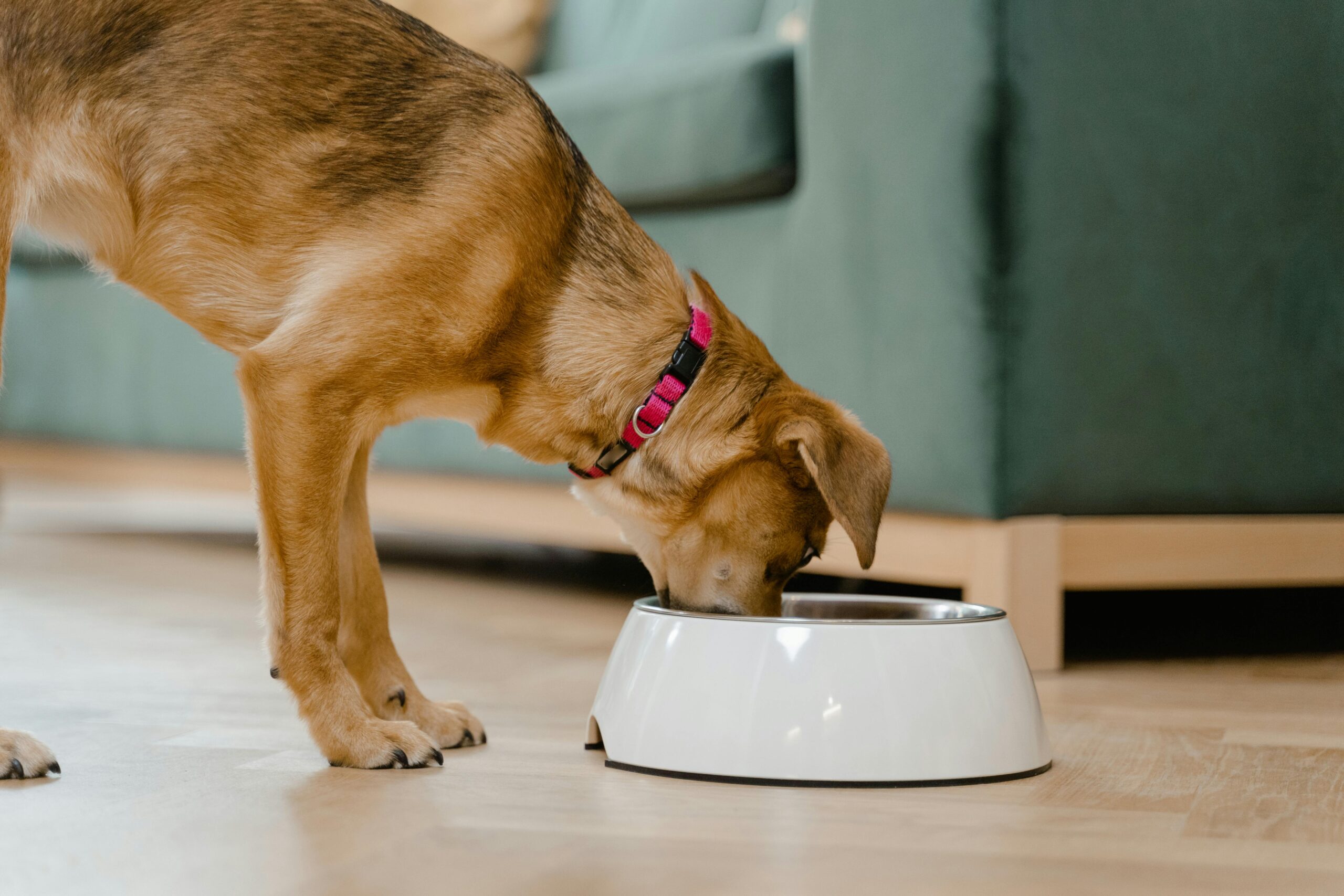
Feeding time offers more than just nutrition—it’s an opportunity to strengthen your bond with your puppy and establish healthy eating behaviors. Feed your puppy in a quiet, low-traffic area where they can eat peacefully without competition or stress. Avoid hovering over them while they eat, but do occasionally handle their bowl or add treats to prevent resource guarding.
Some puppies benefit from puzzle feeders or slow-feed bowls that turn mealtime into mental enrichment. These tools slow down fast eaters, prevent bloat, and provide cognitive stimulation that tires puppies as effectively as physical exercise.
Establishing a proper feeding schedule for your puppy is one of the most important aspects of responsible pet ownership. By understanding their changing nutritional needs at each stage of development and maintaining consistent, appropriate feeding schedules, you’re investing in your dog’s long-term health, happiness, and wellbeing. Remember that every puppy is unique, so stay flexible and work closely with your veterinarian to adjust schedules and portions as needed. The effort you put into proper nutrition during these critical early months will pay dividends throughout your dog’s entire life, setting the stage for many years of tail wags, playful energy, and unconditional love.