Traveling with children transforms every aspect of your journey, especially meal times. Whether you’re crossing time zones or navigating unfamiliar locations, maintaining a feeding schedule can feel overwhelming for parents seeking balance between adventure and routine.

The good news is that with strategic planning and flexible approaches, you can master travel feeding without sacrificing your sanity or your child’s nutrition. This comprehensive guide will walk you through proven strategies to keep meals stress-free and enjoyable, no matter where your travels take you.
🌍 Understanding the Travel Feeding Challenge
Travel disrupts normal routines in countless ways. Time zone changes, unfamiliar environments, and schedule variations all impact when and how your children eat. Young travelers may experience appetite changes due to excitement, exhaustion, or simply the novelty of their surroundings.
The key to successful travel feeding lies in acknowledging these disruptions while maintaining core nutritional principles. Your child’s body still needs regular fuel, but the timing and presentation may need adjustments. Recognizing this balance helps parents approach meal planning with both structure and flexibility.
Planning Your Travel Feeding Strategy Before Departure
Successful travel feeding begins long before you reach the airport or highway. Preparation is your strongest ally in maintaining meal consistency while accommodating the unpredictability of travel.
Research Your Destination’s Food Landscape
Before departure, investigate the food options available at your destination. Identify grocery stores, markets, and restaurants that align with your child’s dietary needs and preferences. Many travel apps provide detailed information about family-friendly dining options and store locations.
Understanding local meal customs also helps manage expectations. In some countries, dinner happens much later than typical American schedules, while breakfast options may differ significantly from home routines.
Create a Flexible Feeding Timeline
Rather than rigid meal times, establish feeding windows that accommodate travel variables. For example, instead of “lunch at noon,” think “lunch between 11:30 and 1:00.” This flexibility reduces stress when flights delay or attractions captivate your family longer than expected.
Document your child’s typical eating schedule, including snack times, portion sizes, and favorite foods. This reference guide becomes invaluable when planning daily activities around nutrition needs.
✈️ Navigating Airport and Flight Feeding
Airports and airplanes present unique feeding challenges with limited options, security restrictions, and confined spaces. Strategic preparation turns these obstacles into manageable situations.
Pack Smart Snacks That Pass Security
TSA regulations allow solid foods through security checkpoints, making portable snacks essential for airport and flight feeding. Focus on nutrient-dense options that travel well and don’t require refrigeration.
- Whole grain crackers and breadsticks
- String cheese (frozen in insulated bags)
- Nut butter packets or individual portions
- Dried fruits without added sugars
- Granola bars with recognizable ingredients
- Fresh fruits like apples, bananas, and grapes
- Pre-cut vegetables in sealed containers
- Popcorn in individual servings
Maximize Airport Dining Opportunities
Many airports now offer healthier dining choices beyond traditional fast food. Arrive with extra time to explore options that align with your feeding schedule. Some airports feature grocery-style markets where you can purchase fresh foods, yogurt, and sandwiches for immediate consumption or later travel.
If flying during traditional meal times, consider purchasing a more substantial meal at the airport rather than relying on airline offerings, which may not suit young palates or dietary restrictions.
Managing Meals in Different Time Zones
Crossing time zones complicates feeding schedules significantly. Your child’s internal clock may signal hunger at seemingly odd hours while adjusting to new local times.
The Gradual Adjustment Approach
For significant time zone changes, gradually shift meal times over the first two to three days. If breakfast normally happens at 7:00 AM but local time suggests 10:00 AM, start somewhere in between and adjust incrementally.
Offer smaller, more frequent meals during adjustment periods. This strategy maintains blood sugar stability while allowing the body to recalibrate its hunger signals to new rhythms.
Leverage Natural Light and Activity
Natural light exposure helps regulate circadian rhythms, including appetite patterns. Schedule outdoor activities before meal times to stimulate natural hunger aligned with local schedules. Physical activity also promotes appetite and helps children adjust more quickly to new time zones.
🚗 Road Trip Feeding Strategies
Road trips offer more control than air travel but present their own feeding challenges. Long stretches between rest stops and limited healthy options require proactive planning.
Build a Mobile Meal Station
Transform your vehicle into a mobile kitchen with strategic supplies. A quality cooler with ice packs maintains perishable foods safely for hours. Organize snacks in easily accessible containers that children can reach independently, reducing driver distraction.
Include disposable plates, napkins, utensils, and wet wipes for easy cleanup. A small trash bag designated for food waste keeps your vehicle tidy and prevents unpleasant odors from accumulating.
Schedule Strategic Stops
Plan rest stops around meal times rather than rushing through feedings in the car. Many highway rest areas feature picnic facilities where families can stretch while eating properly. This approach promotes better digestion and breaks up monotonous travel time.
Research restaurants along your route that offer healthier options. Chain restaurants with nutritional information available online help you make informed choices that align with your feeding goals.
Accommodation-Based Meal Solutions
Your lodging choice significantly impacts travel feeding success. Different accommodation types offer varying levels of meal preparation capability.
Maximizing Hotel Room Feeding
Even without full kitchens, hotel rooms can support basic meal preparation. Request a mini-refrigerator for storing perishables like milk, yogurt, cheese, and cut fruits. Many hotels provide these free upon request, especially for families with young children.
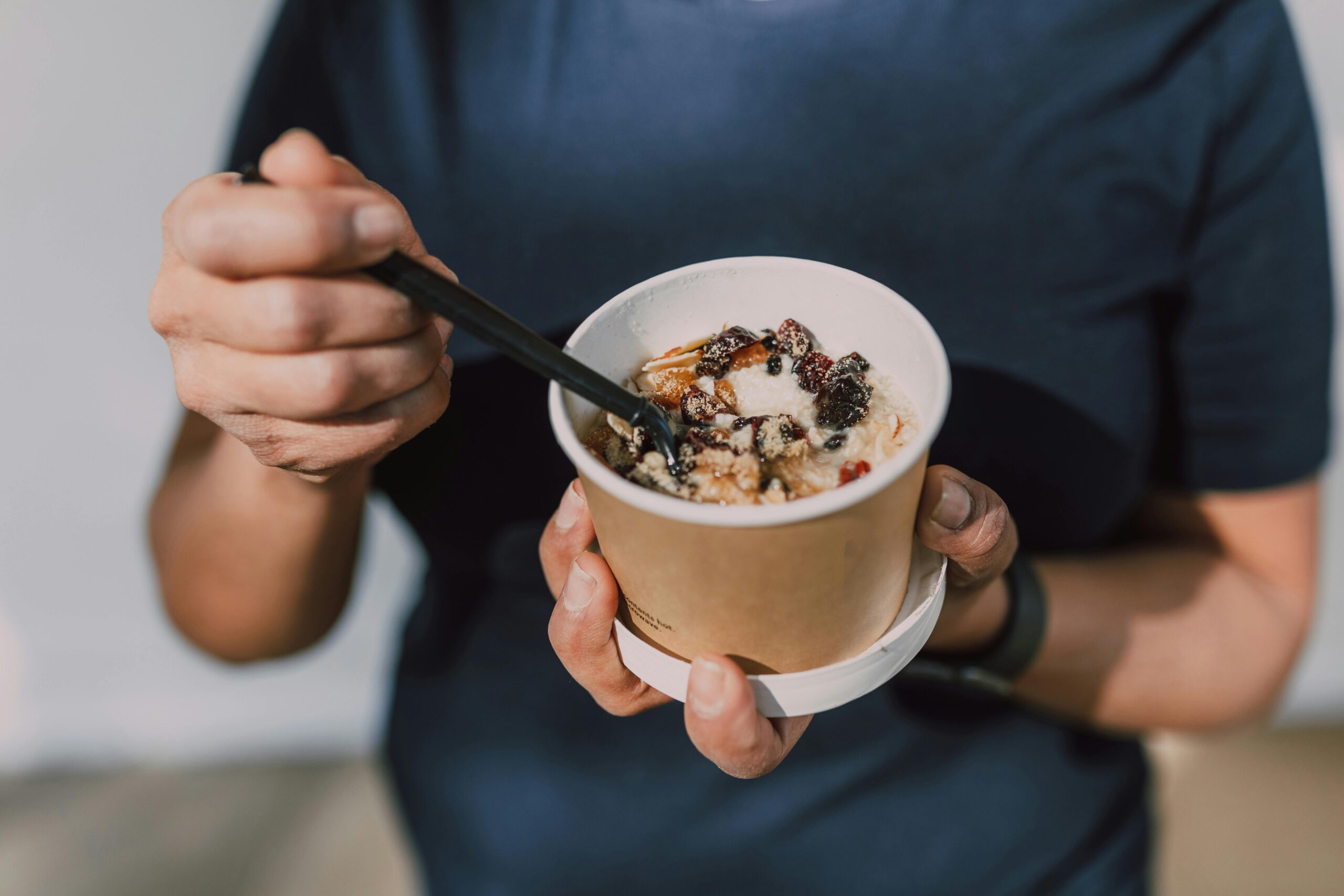
Pack a small electric kettle for heating water for oatmeal, soup, or pasta. Disposable bowls and utensils eliminate cleanup concerns while enabling simple meal preparation in your room.
Vacation Rentals as Feeding Headquarters
Properties with full kitchens provide maximum feeding flexibility. Stock basic staples upon arrival by visiting local grocery stores. Having familiar breakfast foods available reduces morning stress and ensures your family starts each day with proper nutrition.
Prepare simple dinners several nights during your stay to balance restaurant meals. This approach saves money while giving you complete control over ingredients and portions.
🍎 Maintaining Nutrition Quality While Traveling
Travel often leads to nutritional compromises, but strategic choices maintain reasonable dietary standards without imposing unrealistic restrictions.
The 80/20 Travel Nutrition Rule
Aim for nutritious choices 80% of the time while allowing 20% flexibility for treats and special foods. This balanced approach prevents both nutritional deficiency and the sense of deprivation that makes children resistant to healthy options.
Focus on including fruits and vegetables with most meals. Even fast food restaurants now offer apple slices, salads, and other produce options that boost nutritional value.
Hydration as Foundation
Travel dehydration affects appetite, energy, and mood. Prioritize water intake throughout your journey. Carry reusable water bottles for each family member and refill them regularly at water fountains, restaurants, and accommodations.
Limit sugary beverages that provide empty calories while failing to satisfy hunger. When children request juice or soda, offer them as occasional treats rather than meal staples.
Dealing with Picky Eaters on the Road
Picky eating intensifies during travel when familiar foods become scarce. Proactive strategies help maintain adequate nutrition for selective eaters.
Pack Familiar Favorites
Bring shelf-stable versions of your child’s preferred foods. Familiar crackers, cereal, or snacks provide comfort and ensure they eat something nutritious even when restaurant options prove challenging.
Don’t force unfamiliar foods during travel when stress levels already run high. Instead, offer new options alongside familiar choices, allowing natural curiosity to drive experimentation without pressure.
The One Bite Rule
Encourage trying local foods with a low-pressure “one bite” approach. Children often surprise themselves by enjoying new flavors when the expectation involves simple tasting rather than finishing entire portions.
Make food exploration part of the adventure. Frame trying new foods as cultural experiences rather than nutritional obligations, increasing acceptance through positive association.
📱 Technology Tools for Travel Feeding Success
Smart apps streamline travel feeding by helping locate suitable restaurants, plan meals, and track nutritional intake during trips.
Restaurant Finding Applications
Apps like HappyCow help locate healthy, family-friendly restaurants near your location. These tools filter options by cuisine type, dietary restrictions, and user reviews specifically mentioning child-friendliness.
Meal Planning and Grocery Apps
Use grocery delivery apps to stock your vacation rental before arrival. Services like Instacart operate in many travel destinations, allowing you to order familiar foods that arrive when you do, eliminating immediate grocery shopping stress after long journeys.
🌮 Cultural Sensitivity and Food Exploration
Travel offers wonderful opportunities for children to experience diverse cuisines and food cultures. Balancing nutrition with cultural exploration enriches your family’s travel experience.
Research Local Specialties
Investigate signature dishes from your destination before departure. Discuss these foods with children, showing pictures and explaining ingredients. This preparation builds excitement and familiarity that increases willingness to try new foods.
Many destinations offer cooking classes designed for families. These interactive experiences teach children about local ingredients and preparations while creating positive food memories.
Market Visits as Educational Opportunities
Local markets provide sensory-rich experiences where children encounter fresh produce, regional specialties, and food customs. Let children select unfamiliar fruits or snacks to try, giving them ownership over food exploration.
Markets often offer ready-to-eat options that provide authentic local flavors in approachable formats like fresh fruit, cheese, bread, and prepared foods suitable for impromptu picnics.
Emergency Feeding Solutions
Despite thorough planning, travel inevitably presents unexpected situations requiring backup feeding strategies.
Always Pack Emergency Snacks
Maintain a separate emergency snack stash beyond your regular travel snacks. Keep these sealed in your bag for true emergencies when all other food sources prove unavailable or unsuitable. Non-perishable, calorie-dense options work best for genuine backup situations.
Convenience Store Navigation
When restaurants and grocery stores aren’t accessible, convenience stores offer surprising nutrition options. Look beyond candy and chips to find string cheese, hard-boiled eggs, nuts, whole grain crackers, milk, and fresh fruit that provide legitimate nutrition.
Creating Positive Mealtime Experiences While Traveling
Travel feeding extends beyond nutrition into creating enjoyable family experiences around meals. These moments become treasured travel memories.
Embrace Picnic Opportunities
Parks, beaches, and scenic overlooks transform simple meals into special occasions. Pack picnic supplies and seek outdoor dining opportunities that combine meals with exploration and play.
Involve Children in Food Decisions
Give age-appropriate choices about meals and snacks. When children participate in decisions, they invest more positively in eating experiences. Offer bounded choices like “Would you prefer the chicken or pasta?” rather than completely open-ended questions.
🏖️ Post-Travel Feeding Transitions
Returning home requires readjusting to normal schedules after travel disruptions. Smooth transitions help everyone settle back into routine.
Gradual Schedule Restoration
Don’t expect immediate return to pre-travel feeding schedules, especially after significant time zone changes. Allow several days for gradual adjustment, offering flexibility similar to your travel approach.
Restock and Refresh
Shop for fresh groceries before arrival home when possible. Walking into a stocked kitchen reduces post-travel stress and enables quick, nutritious meals during the readjustment period.

Your Journey to Stress-Free Travel Feeding
Mastering travel feeding combines careful planning with flexible execution. By preparing strategically, maintaining nutritional priorities, and embracing inevitable imperfections, you create positive feeding experiences that support your family’s health and happiness throughout your travels.
Remember that perfect adherence to home schedules and nutrition standards isn’t the goal during travel. Instead, aim for reasonable consistency that keeps children well-fed and content while allowing space for adventure, cultural exploration, and the spontaneity that makes travel memorable. With these strategies in your parenting toolkit, meals on the go become opportunities for connection rather than sources of stress, letting your family focus on creating lasting travel memories together.